Hawkesbury employers and workers are being encouraged to review workplace psychological safety as SafeWork NSW launches its largest-ever compliance operation focused on psychosocial hazards.
The six-week statewide operation will involve inspections across all industries, with inspectors checking how businesses identify, manage and monitor risks that can cause psychological harm.
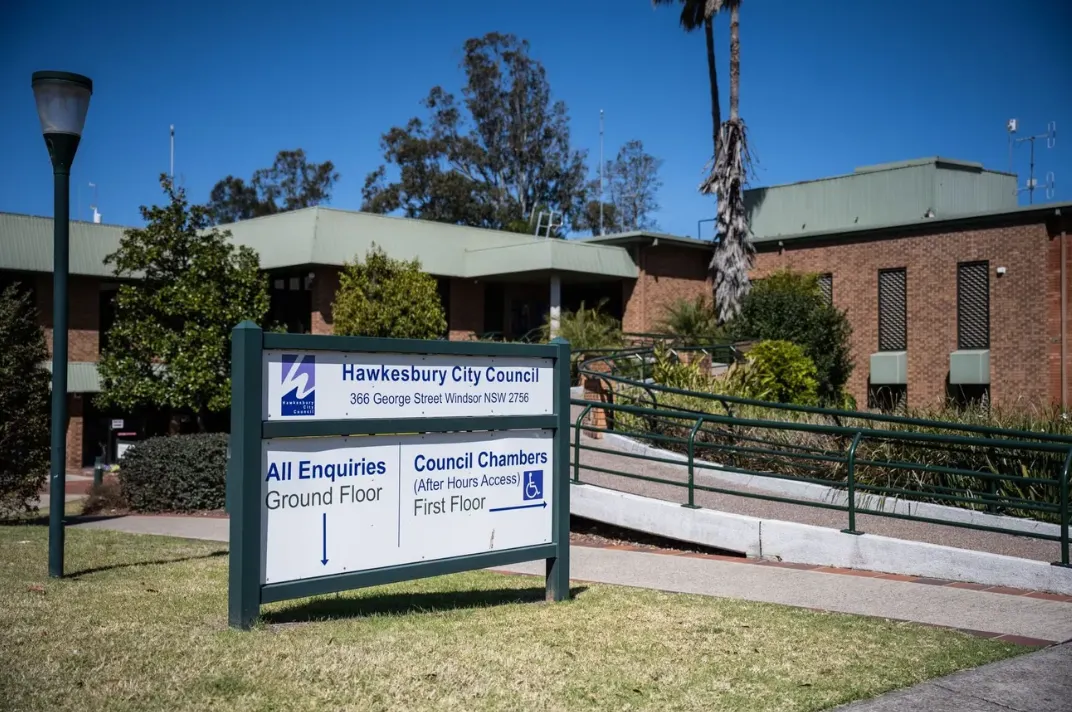
The operation has particular local significance following complaints about psychological safety at Hawkesbury City Council and SafeWork NSW’s involvement in examining allegations of councillor-on-councillor bullying.
Those complaints highlight the importance of addressing reported hazards and supporting a safe, effective working environment at Council. The statewide campaign announcement does not identify Council as an inspection target or establish any finding against it.
Announced on October 9 to coincide with World Mental Health Day, the program follows a compliance operation in May and June that saw inspectors visit more than 200 workplaces and issue more than 80 improvement notices relating to psychosocial hazards and risk management.
SafeWork NSW said the latest operation would include repeat visits to check whether businesses had complied with those notices. It did not identify specific Hawkesbury workplaces scheduled for inspection.
SafeWork Commissioner Janet Schorer said supportive leadership and the way work was designed were central to protecting employees.
“Creating psychologically safe workplaces starts with good work design, supportive leadership and workers feeling safe to speak up about concerns,” she said.
“Organisations should be able to demonstrate how they identify risks, consult with workers and take action to prevent psychological harms before they occur.”
Psychosocial hazards can include excessive workloads, bullying, harassment and exposure to traumatic events. Managing these risks requires employers to examine working conditions and organisational practices, as well as how concerns are reported and addressed.
The operation sits alongside SafeWork NSW’s Psychological Health and Safety Strategy 2024–2026. Among the strategy’s targets is completing a psychosocial work health and safety check during every inspector visit to an organisation with 200 or more workers.
That target does not mean smaller businesses are excluded from the October operation or from their workplace safety obligations.
Employers must eliminate psychosocial risks where reasonably practicable. Where elimination is not reasonably practicable, they must minimise those risks through effective control measures and review whether those measures are working.
Non-compliance can lead to improvement notices and other regulatory action, including prosecution where warranted.
Serious breaches of work health and safety duties can attract substantial financial penalties. SafeWork NSW’s current penalty schedule provides for maximum imprisonment of 10 years for a Category 1 offence involving gross negligence or reckless conduct.
These are penalties for specific serious offences, rather than automatic consequences of a workplace complaint.
Individuals who hold officer responsibilities may also face prosecution for failing to meet their own due diligence obligations. Personal liability depends on their legal role and conduct; it does not arise automatically because an employee has acted improperly.
SafeWork NSW said 20.5 per cent of all requests for service received by the regulator raised issues of psychosocial harm. Construction, education and training, healthcare and social assistance, and retail were the four leading industries seeking assistance.
The regulator has added 20 inspectors with specialist expertise in psychosocial risks this year.
For local employers and workers seeking guidance, its Psychosocial Advisory Service can be contacted on 13 10 50, with the aim of helping resolve concerns before they escalate into harm.
SafeWork NSW also highlighted legislative changes that it said took effect on July 1, 2026, requiring compliance with relevant codes of practice or an alternative approach that provides an equivalent or higher standard of risk management.
Its Managing Psychosocial Hazards at Work Code of Practice provides practical guidance on identifying, assessing and controlling risks.
A psychological health and safety seminar for small businesses will be held on November 18.
Workers wishing to raise workplace safety concerns can call 13 10 50 or visit the SafeWork NSW website. The code of practice and seminar details are available online.


