Table of Contents
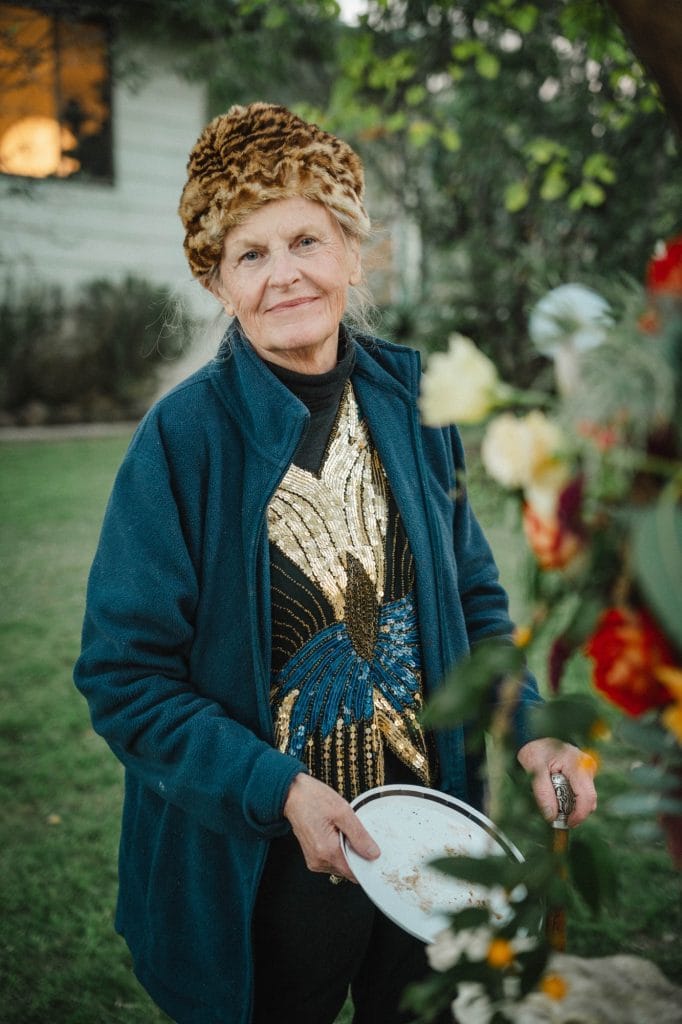
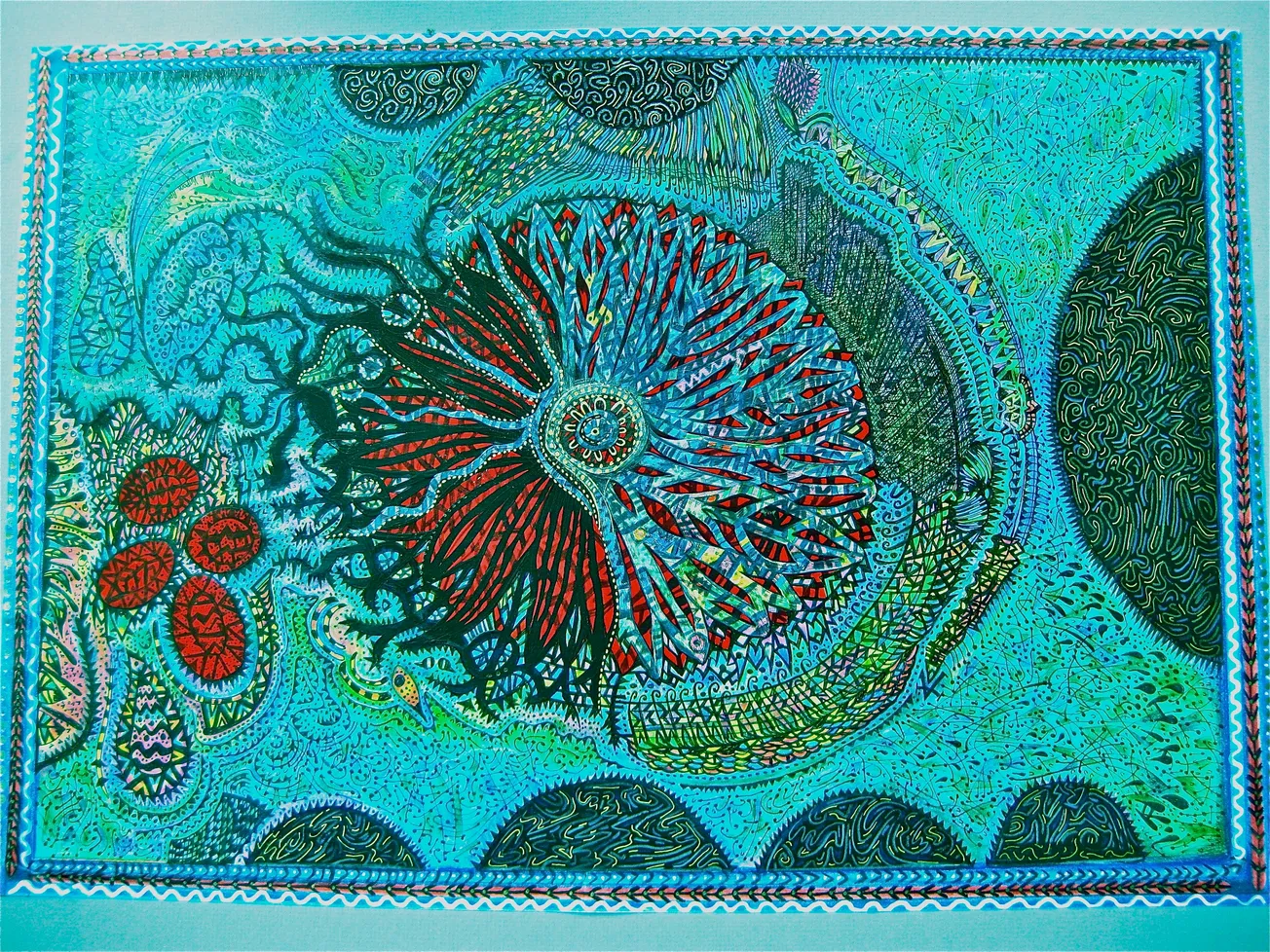
Now over 80 years of age, Hawkesbury artist Merle Lester is being celebrated nationally, with her artwork Sea Life selected for inclusion in the Australian Unity 2026 Calendar, themed “Adventure Has No Age.”
It is an honour that reflects not only her artistic talent, but a life marked by extraordinary resilience, creativity and quiet courage.
Merle’s story begins long before she arrived in Australia. Her parents, Vaike and Adolf Lembit Wiitpom, were Estonian refugees fleeing the devastation of World War II. In 1944, as Russian forces invaded Tallinn, escape routes to Finland and Sweden were closed. With little choice, Vaike made the fateful decision to board a Red Cross ship bound for Germany.
The ship was bombed in the Baltic Sea. Only a few survived. Merle’s mother endured three hours in the icy water; her father, who could not swim, survived fourteen hours and was initially presumed dead when rescued. Against all odds, they were reunited.
The family spent three years in a German refugee camp. In 1945, while Vaike was pregnant with Merle, Dresden was bombed. She was instructed to go to a bomb shelter but refused. The following morning, the shelter lay in ruins. There were no survivors.
In 1949, four-year-old Merle arrived in Sydney with her parents. An only child, she grew up carrying the unspoken weight of her family’s history, a legacy of survival that would later find expression in her art.
Merle has been drawing since the age of seven. Art became her language, her meditation, and her way of making sense of the world. Her love of teaching allowed her to share that passion with others, encouraging students to discover their own voice and creative expression.
Her favourite artist, Paul Klee, and the rhythms of the natural world have long influenced her work. Estonian symbols and memory subtly weave their way through her imagery, giving her art both personal and cultural depth.
In February 2002, Merle suffered a stroke. After three months, doctors discovered she had a hole in her heart. She later learned the stroke could have left her blind. Instead, it became another turning point. Since then, particularly in her retirement years, Merle has produced the majority of her artistic body of work.
“My art making flows naturally,” she says. “It is a form of meditation.”
That meditative relationship with nature is mirrored in the remarkable four-acre garden Merle created with her husband, Barry, in the Hawkesbury. Purchased in 1969 and transformed after the family moved there in 1978 with their two young children, the property became a living artwork. In 2009, it won Grand Champion Spring Garden of the Hawkesbury.
The house itself, designed by Merle and Barry, is filled with glass to dissolve the boundary between indoors and garden, with sweeping views towards Sydney, a testament to their shared vision and labour of love.
Now, with her artwork featured in a national calendar, Merle’s journey comes full circle. From refugee beginnings to national recognition, her life embodies the very spirit of “Adventure Has No Age.”
As Australian Unity wrote to Merle:
“Your artwork beautifully captures this year’s theme… We’re thrilled to feature your work.”
For Merle Lester, art is not just something she creates, it is how she has survived, remembered, healed, and shared beauty with the world.