Table of Contents
As the Greater Blue Mountains World Heritage Area marks its 25th anniversary, a new international assessment confirms the region’s conservation outlook remains at “Significant Concern,” with fire risk posing the single largest threat to its long-term health.
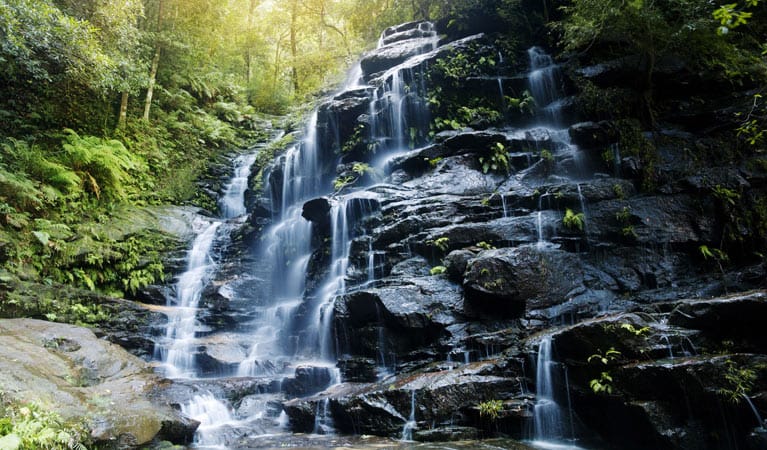
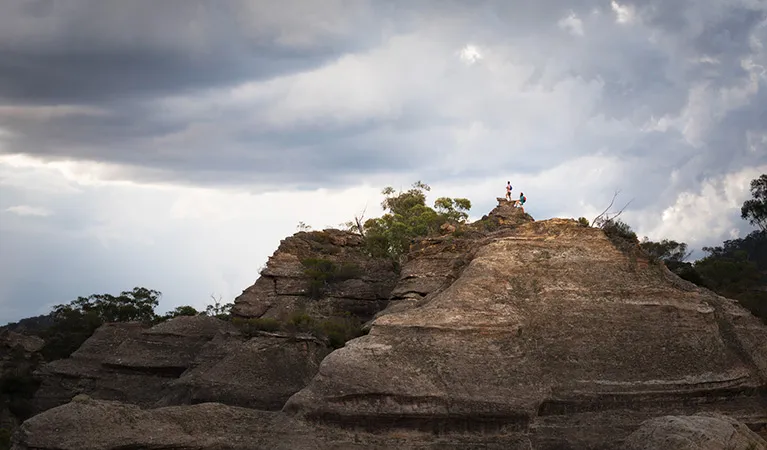
Greater Blue Mountains Area World Heritage Property is an area of diverse landscapes with plants, wildlife, caves and rock formations in NSW national parks. It's full of cultural significance, with 6 Aboriginal groups having connection to the Country of the Area, as it's tied with Dreaming and rock art
The findings were discussed last week at a special anniversary symposium held at the historic Carrington Hotel in Katoomba, where traditional custodians, scientists, local government representatives and environmental leaders gathered to reflect on two-and-a-half decades of World Heritage management and the challenges ahead.
Stretching across eight protected reserves and touching 12 Local Government Areas, the World Heritage Area is deeply interconnected with the communities of the Blue Mountains and Hawkesbury, two regions that serve as the principal tourism gateway to Sydney’s natural hinterland. The symposium highlighted this shared responsibility, emphasising the need for strengthened cross-regional collaboration as pressure on the landscape increases.
2019/20 Fires Still Cast a Long Shadow
According to the 2025 Conservation Outlook Assessment, the most significant and continuing concern for the World Heritage Area is the threat of major bushfires. The 2019/20 Black Summer fires remain unprecedented in scale and impact, burning 71% of the property, with 29% at very high to extreme intensity, including rainforest gullies that traditionally act as natural fire refuges.
The Assessment warns that climate change will drive more frequent and more intense fire seasons, meaning the 2019/20 event is unlikely to remain a once-in-a-century occurrence.
Community concerns were also raised about the fire management strategies used during Black Summer, including broad-scale backburning which contributed to the extent of impacted areas. While the report does not assign blame, it stresses that “inappropriate fire regimes” amplify risk to sensitive ecosystems already under climatic and biological stress.
Symposium Speakers Call for Stronger Climate and Fire Resilience
Speakers at the anniversary symposium included scientists and land managers whose work is referenced throughout the Conservation Outlook Assessment. They emphasised that while the region is exceptionally well managed by global standards, the intensifying climate threat requires new approaches, increased investment and more rapid planning updates.
Discussions reflected many of the report’s findings, including:
- The need for improved fire-response coordination and long-term resilience planning
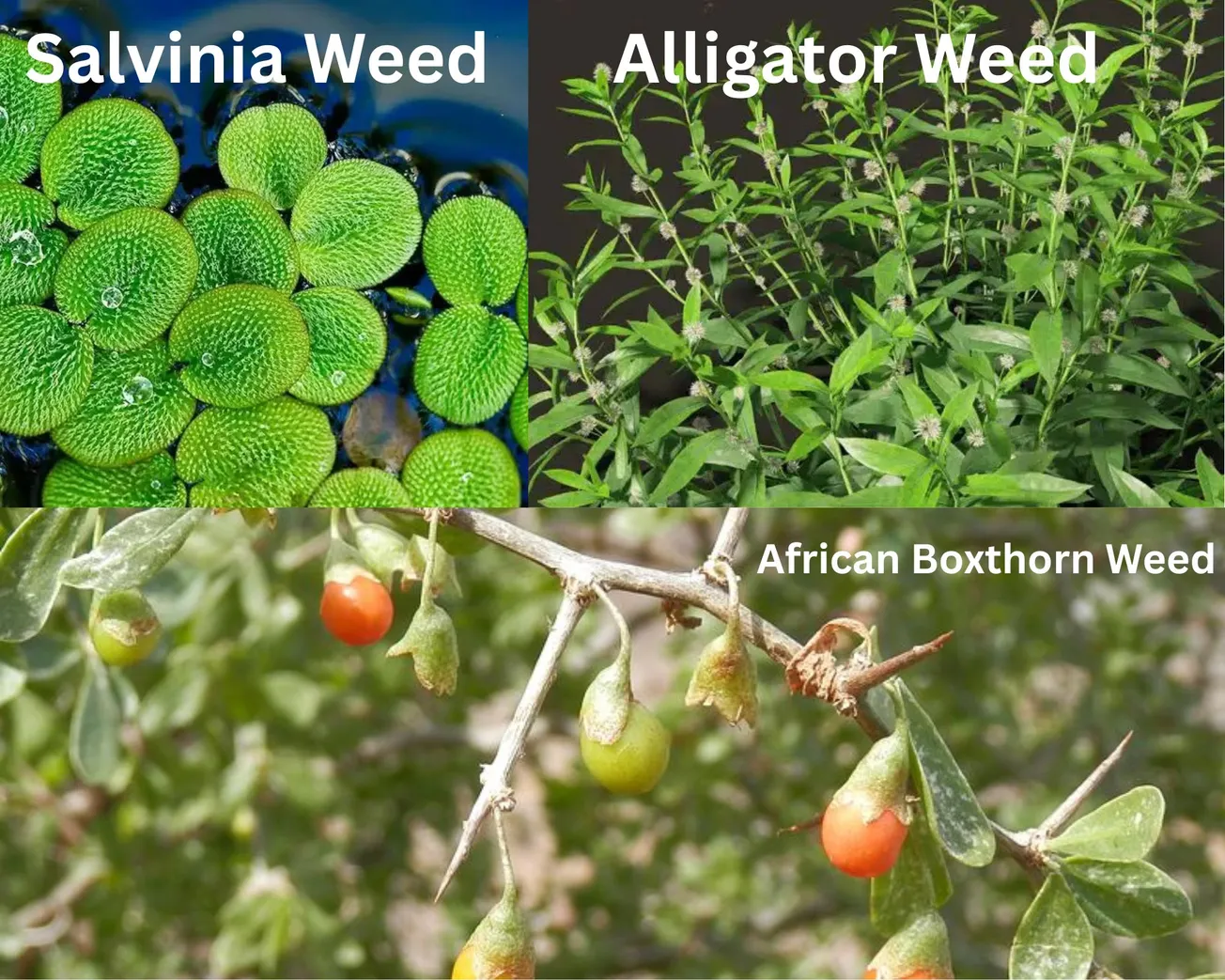
- Ongoing threats from invasive species, pathogens such as myrtle rust, and hydrological impacts amplified by fire
- The importance of community partnerships, Traditional Custodian involvement, and science-led restoration
- The pressures from urban edge effects, coal mining impacts and the upcoming Western Sydney Airport development
Despite these concerns, presenters also highlighted signs of ecological recovery in many species and praised successful protection efforts, such as the safeguarding of the Wollemi pine populations during the 2019/20 fires.
Tourism, Heritage and Local Identity
For the Hawkesbury and Blue Mountains—home to significant access points, lookouts, walking trails and visitor infrastructure—World Heritage is not only an environmental designation but a key part of local identity, economy and cultural life.
As symposium attendees noted, World Heritage brings both opportunity and responsibility: the millions of visitors who travel through Richmond, Kurrajong, Bilpin and Katoomba each year rely on the health and integrity of the surrounding landscape.
A Call for Unified Stewardship
The Conservation Outlook makes clear that the Blue Mountains remain one of the world’s best-managed protected areas. Yet its future depends heavily on how governments, agencies and communities address the cascading challenges of climate change and fire risk.
The 25-year symposium served not as a celebration of past achievements alone, but as a call to action: to protect the ecological, cultural and recreational values that make the Greater Blue Mountains World Heritage Area one of Australia’s most cherished landscapes.