Table of Contents
On 3 December 2025 the international day to honour people with disability, the Disability Leadership Institute (DLI) unveiled the winners of its annual National Awards for Disability Leadership. The awards recognise individuals and organisations across Australia who have made extraordinary contributions to advancing the rights, inclusion, and status of people with disability.
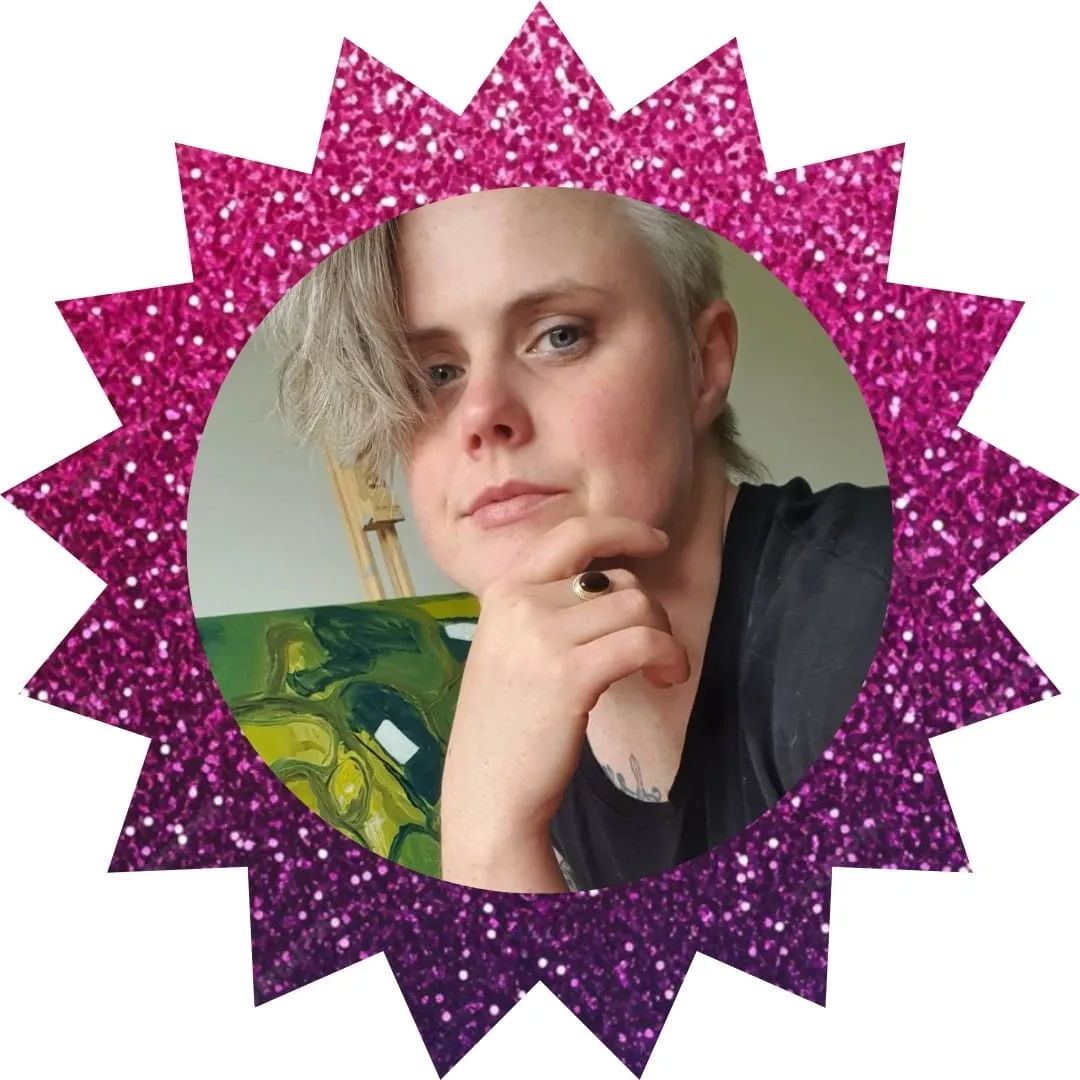
Among this year’s standout winners is Sarah Langston, who received the Rights Activism award, a recognition reserved for leaders using human rights frameworks to challenge discrimination and push for systemic reform.
Sarah Langston is a neurodivergent disability rights advocate, fine artist, community organiser and law student based in the Blue Mountains who writes on disability issues for the Hawkesbury Gazette. She identifies as Autistic and ADHD/neurodivergent, and is also a single parent of a neurodivergent child attending a NSW public school. Her advocacy work focuses on systemic justice, particularly for neurodivergent women, children, and parents working to ensure equitable access to support, protections and representation.
Langston is founder and President (2023–2025) of the Australian Neurodivergent Parents Association (ANPA), which gives voice and support to neurodivergent parents. She is also co-founder of the Nobody Worse Off Coalition, a grassroots coalition campaigning against cuts to disability support under the national scheme and advocating for justice for people with psychosocial and complex disabilities.
In addition to her grassroots advocacy, Langston is currently completing a Juris Doctor at Macquarie University, bridging legal training with lived experience, a combination many see as especially powerful for driving systemic change. In her own words: she is committed to telling “stories about the rights of women and children, and systemic discrimination against people with psychosocial disabilities.
The National Awards for Disability Leadership were first held in 2018, conceived by and for disabled people. They highlight the breadth and diversity of disability leadership across Australia, with seven categories recognizing different kinds of impact: Rights Activism, Inclusion, Innovation, Social Impact, Change Making, The Arts and for Lifetime Achievement. The Awards celebrate individuals and organisations who are disabled themselves, reinforcing the principle of “nothing about us without us.”
Other 2025 Finalists and What’s Ahead
In 2025, the field of finalists reflects growing diversity and a wide range of issues. For example, alongside Sarah Langston in the Rights Activism category were peers such as Nabila Laskar and Tahlia‑Rose Vanissum, each championing change in their own communities. Across other categories, finalists span from inclusion advocates to arts visionaries, innovators tackling systemic barriers, and grassroots organisers working for social impact.
Looking ahead, DLI continues to build on this momentum with its leadership development initiative, Future Shapers, a nine-month program designed by disability leaders, for disability leaders, aiming to equip the next generation with strategic, long-term change-making skills.
Recognitions such as the National Awards for Disability Leadership do more than hand out trophies. They amplify voices that are too often ignored especially neurodivergent voices, disability-led organisations, and grassroots advocates working under difficult circumstances.
Sarah Langston’s award in particular sends a powerful message: lived experience, combined with commitment and action, is not only valuable, it is essential to shaping fair, inclusive policies and a society that respects the rights of all people.