Table of Contents
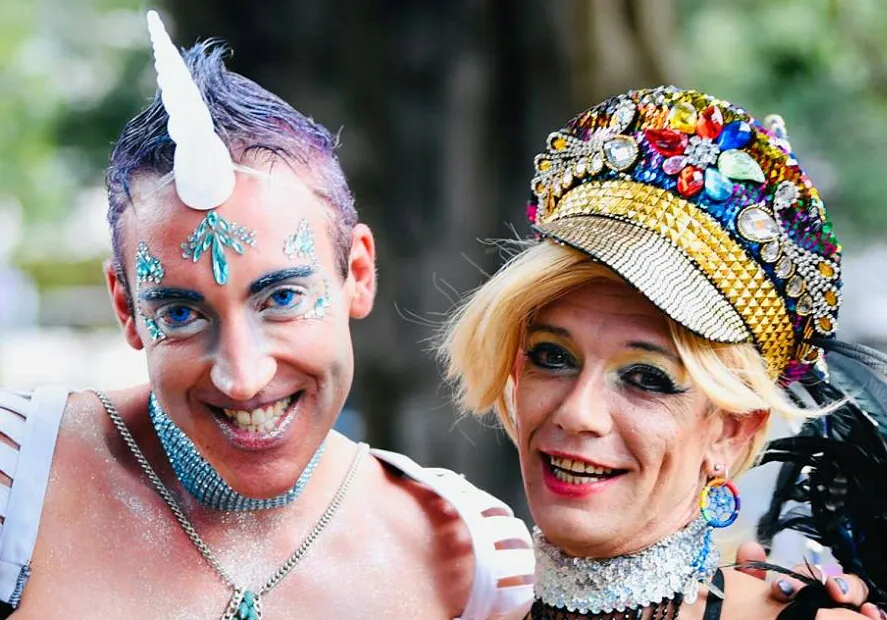
As thousands prepare to line Oxford Street for this year’s Sydney Gay and Lesbian Mardi Gras parade, many Hawkesbury residents will be among them marching, volunteering, performing or simply celebrating.
For some, it’s a night of colour and community. For others, it remains something deeper: a powerful reminder that equality is still a work in progress.
From Protest to Global Festival
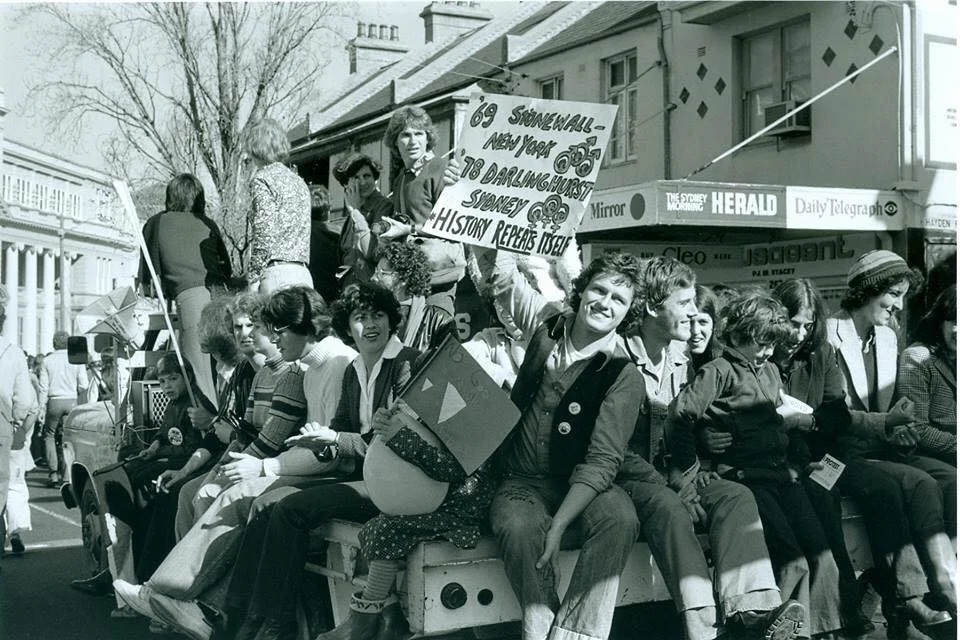
The Mardi Gras began in 1978 as a protest march inspired by the Stonewall uprising in New York. What started as a demonstration for LGBTQ+ rights ended in violence and arrests, with participants later known as the “78ers” laying the foundation for Australia’s modern equality movement.
Nearly five decades on, the festival has grown into one of the world’s largest LGBTQ+ cultural events attracting hundreds of thousands of attendees and broadcasting a message of inclusion far beyond Sydney.
Yet at its core, Mardi Gras remains rooted in advocacy: challenging discrimination, amplifying voices and pushing for systemic reform.
Hawkesbury’s LGBTQ+ Community
According to the 2021 Census, around 4–5% of Australians identify as LGBTQ+, though experts believe the true figure may be higher due to underreporting. In a local government area the size of Hawkesbury with a population of roughly 67,000 that suggests several thousand residents identify as lesbian, gay, bisexual, transgender, queer or gender diverse.
Many travel into Sydney each year to participate in Mardi Gras. Others celebrate locally with friends and community groups. For younger residents, particularly those growing up in semi-rural or regional environments, the festival can represent visibility and belonging that may not always be present in everyday life.
Inequality Beyond the Parade
While rainbow flags fly high during festival season, new research suggests structural inequalities persist particularly in employment.
A recent Monash University study, led by Dr Dee Tomic from the Centre for Occupational and Environmental Health, analysed national data from the Household, Income and Labour Dynamics in Australia (HILDA) Survey. It is the first Australian study to examine workforce participation across sexual and gender identities using nationally representative data.
The findings are sobering. LGBTQ+ Australians experience higher unemployment and reduced access to secure, well-paid work. Bisexual Australians face particularly high unemployment and are more likely to work part-time or take unpaid leave. Transgender and gender-diverse people work fewer hours on average and are underrepresented in certain sectors. LGBTQ+ workers remain significantly underrepresented in trades, manufacturing, construction and mining industries that dominate employment in regions like the Hawkesbury.
Dr Tomic noted that structural and workplace-level barriers continue to shape employment opportunities.
“This has serious consequences not only for financial security but also for mental health and wellbeing,” she said.
A Local Lens
The Hawkesbury economy relies heavily on construction, agriculture, manufacturing and trades traditionally male-dominated industries.
Experts suggest that if workplace cultures are perceived as hostile or unwelcoming, LGBTQ+ individuals may avoid these sectors altogether, prioritising psychological safety over potential career advancement.
For regional communities, this raises important questions: Are local workplaces equipped with inclusive policies; do apprentices and young workers feel safe being open about their identity; are employers aware of unconscious bias that may limit opportunities?
Local advocates say inclusion is not just a social issue it’s an economic one. When skilled workers feel excluded, businesses lose talent.
What Mardi Gras Represents in 2026
For Hawkesbury residents attending Mardi Gras, the celebration carries both pride and purpose. The festival has historically addressed issues including decriminalisation of homosexuality; HIV/AIDS awareness and healthcare equity; marriage equality; anti-discrimination protections and transgender healthcare access and recognition
Today, the conversation increasingly centres on economic participation, mental health and structural inequality, the kinds of systemic barriers highlighted in the Monash study.
Beyond the Rainbow
Mardi Gras is often described as a party and it certainly is one of the most vibrant nights on the Australian calendar.
But for many Hawkesbury families, it is also a statement: that inclusion must extend beyond symbolic gestures into workplaces, schools and community institutions.
As rainbow lights illuminate Sydney Harbour, the message resonates back to the foothills and floodplains of the Hawkesbury equality is not simply about celebration. It is about creating communities where every resident can participate fully, safely and with dignity.
Are you a Hawkesbury resident attending Mardi Gras this year?
Share your story with the Hawkesbury Gazette.
Love, Glitter and Second Chances: Ricky and Dave Celebrate 20 Years Where It All Began
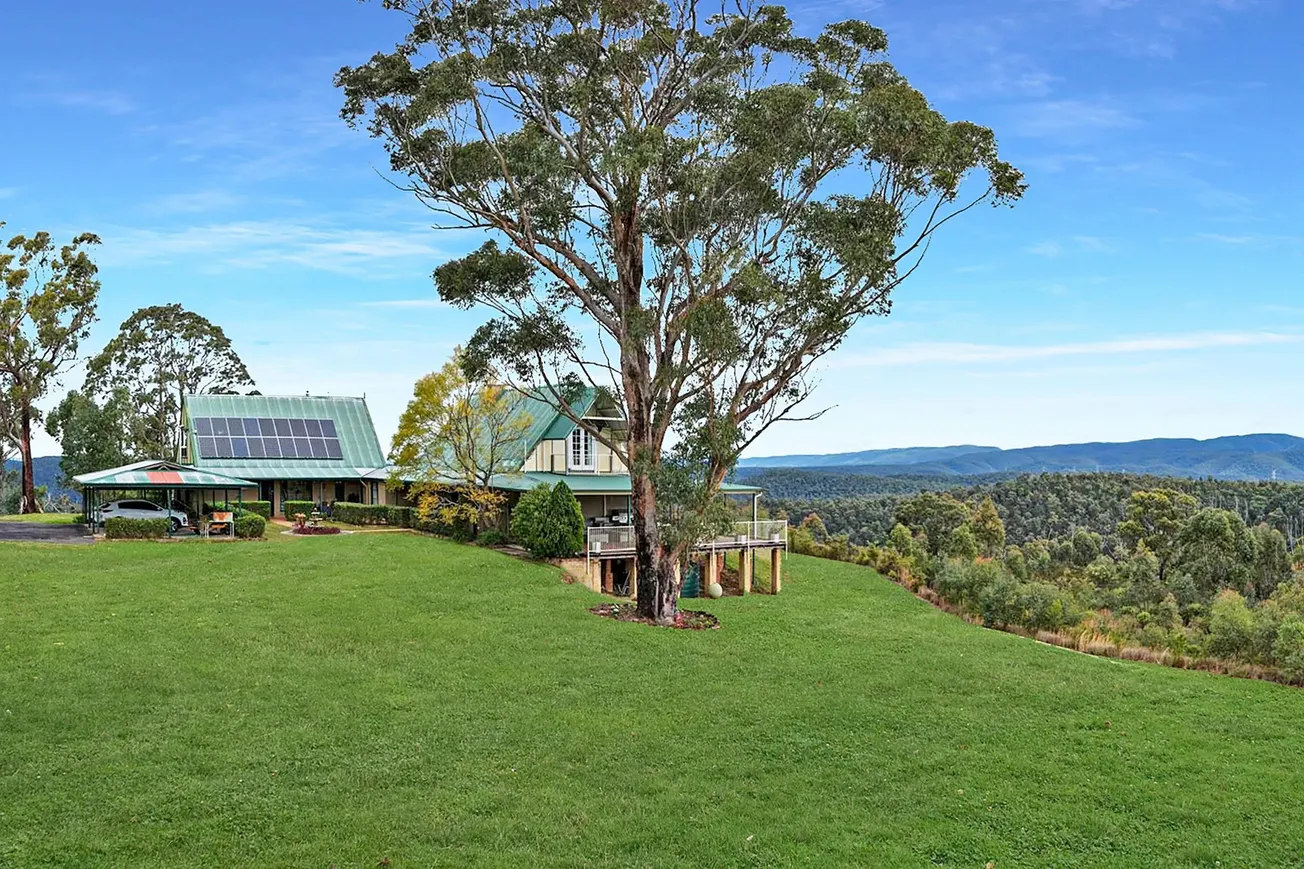
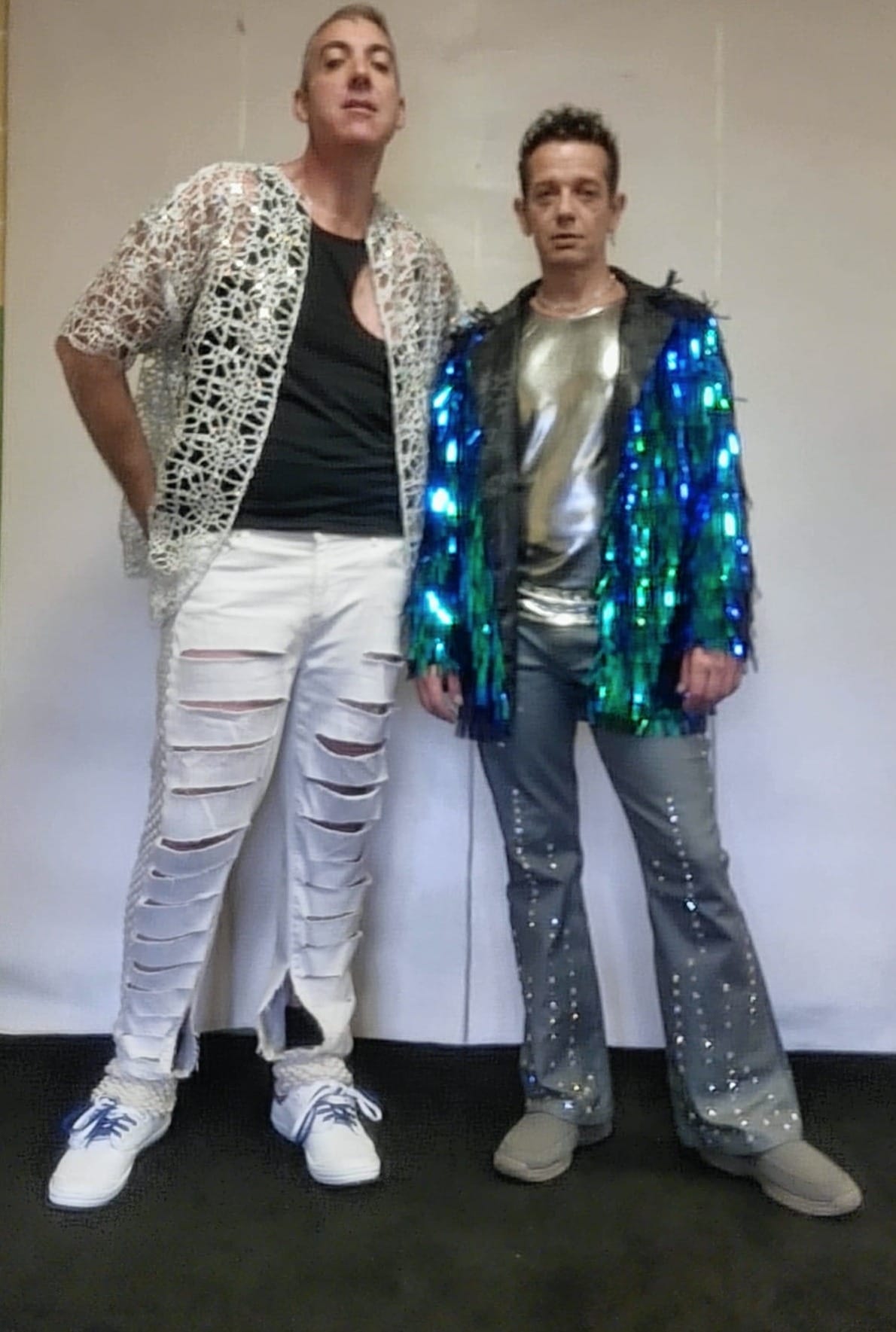
This year’s Mardi Gras will be more than a parade for Ricky and Dave of Bells Ridge Cottage; it will be a full-circle celebration of love, colour and two decades of marriage.
Twenty three years ago, under the glittering lights and pulsing joy of Sydney’s Mardi Gras, Ricky and Dave met for the very first time. What began in a sea of sequins and celebration quickly became something deeper a partnership built on creativity, resilience and a shared belief that life should be lived boldly and beautifully.
Now, more than two decades later, they are returning to Mardi Gras to celebrate their 20th wedding anniversary in the very place their story began.
“It feels like coming home,” Ricky says. “Mardi Gras gave us each other. It gave us the courage to be ourselves.”
Creativity at the Heart of the Hawkesbury
From their home at Bells Ridge Cottage, the couple have become well known across the Hawkesbury for bringing colour, fashion and joy into the community.
Ricky is the creative force behind RND, a fashion label built on recycling and upcycling materials from the fast fashion industry. What others discard, Ricky transforms into statement pieces filled with personality and flair. His designs have been worn everywhere from high school formals to dazzling 80th birthday glamour parties, proving style has no age limit.
Each garment tells a story of reinvention much like the couple themselves.
“Fast fashion moves quickly,” Ricky says. “But I love slowing it down. Giving fabric another life. Making something one-of-a-kind that makes someone feel incredible.”
Meanwhile, Dave’s artistry fills homes across the Hawkesbury. His paintings hang proudly on local walls, vibrant and expressive. He restores furniture and showpieces, breathing fresh life into forgotten treasures. A discarded cabinet becomes a centrepiece; a faded chair becomes a statement.
Together, their work reflects their philosophy: nothing and no one is disposable.
A Love Story That Keeps Growing
Friends describe Ricky and Dave as inseparable creative collaborators, cheerleaders for local events and familiar faces at community gatherings. Whether it’s supporting local markets, celebrating milestone birthdays or dressing the next generation for their big formal night, the couple have woven themselves into the fabric of the Hawkesbury.
Their relationship has matured alongside their art bold, evolving and unapologetically colourful.
This Mardi Gras, as they mark 23 years of marriage, they’re not just celebrating longevity. They’re celebrating the power of love to transform, to endure and to inspire.
In a world that often rushes forward, Ricky and Dave continue to remind us that beauty can be reclaimed, joy can be handmade, and love when nurtured only grows brighter.
From the glittering streets where it began to the quiet beauty of Bells Ridge Cottage, their story is proof that sometimes the greatest creations are the ones we build together.
Happy Mardi Gras and happy 23rd wedding anniversary, Ricky and Dave from all of us at the Hawkesbury Gazette.