Table of Contents
The Australian Government Senate inquiry into climate misinformation has heard explosive evidence about bots, lobby groups and international think tanks with one fiery exchange between science communicator Dr Karl Kruszelnicki and a One Nation senator capturing attention.
The Senate Select Committee on Information Integrity on Climate Change and Energy held two days of public hearings in Canberra in February examining how false or misleading information is shaping Australia’s debate on climate change and energy policy.
Big tech in the hot seat
Representatives from major social media platforms including Meta and TikTok were questioned about how their platforms manage climate misinformation.
Meta told the committee it removes bots and inauthentic accounts but does not generally fact-check politicians’ posts unless they incite violence. Advocates raised concerns that algorithms designed to maximise engagement may amplify extreme or misleading content.
The inquiry is also considering how artificial intelligence, coordinated online campaigns and anonymous accounts may be influencing public opinion.
Funding and “astroturfing” concerns
The hearings explored so-called “astroturfing” campaigns designed to appear grassroots but funded by vested interests.
Evidence presented to the committee referenced fossil fuel-linked advocacy and third-party campaign groups active during recent elections. One example discussed was financial backing connected to Coal Australia.
Senators questioned whether existing transparency laws adequately reveal who is funding political messaging on climate and energy.
International think tank links
Academic witnesses highlighted the role of global free-market think tank networks, including the Atlas Network, which has previously been associated with campaigns opposing climate regulation in various countries.
The committee heard claims that such networks influence public discourse by supporting local partner organisations, publishing commentary and engaging with media.
Dr Karl’s appearance draws attention
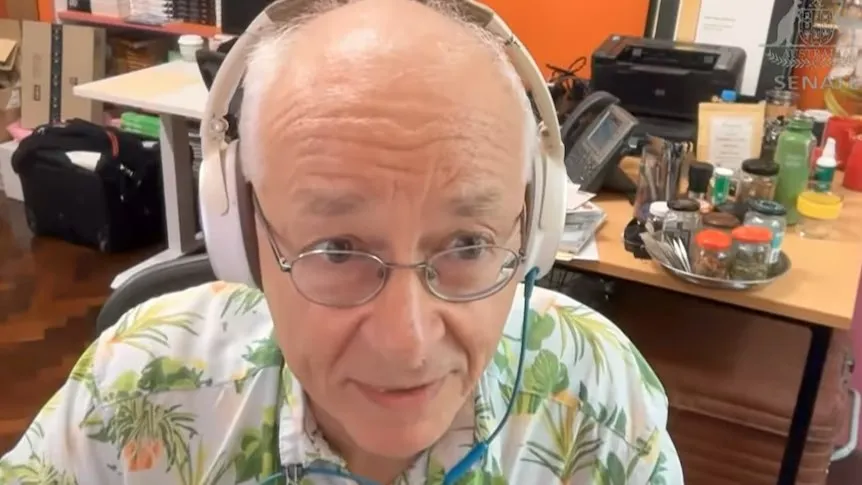
Prominent science communicator Dr Karl Kruszelnicki widely known as Dr Karl appeared before the inquiry to speak about the spread of scientific misinformation.
Dr Karl told the committee that misinformation can erode public understanding of well-established scientific findings and delay policy action. He also revealed he is working on an AI-based chatbot aimed at helping people access reliable climate science information quickly and clearly.
What happens next?
The Senate committee is expected to deliver its final report in late March. It may recommend reforms to political advertising laws, platform accountability measures, or stronger disclosure requirements for campaign funding.
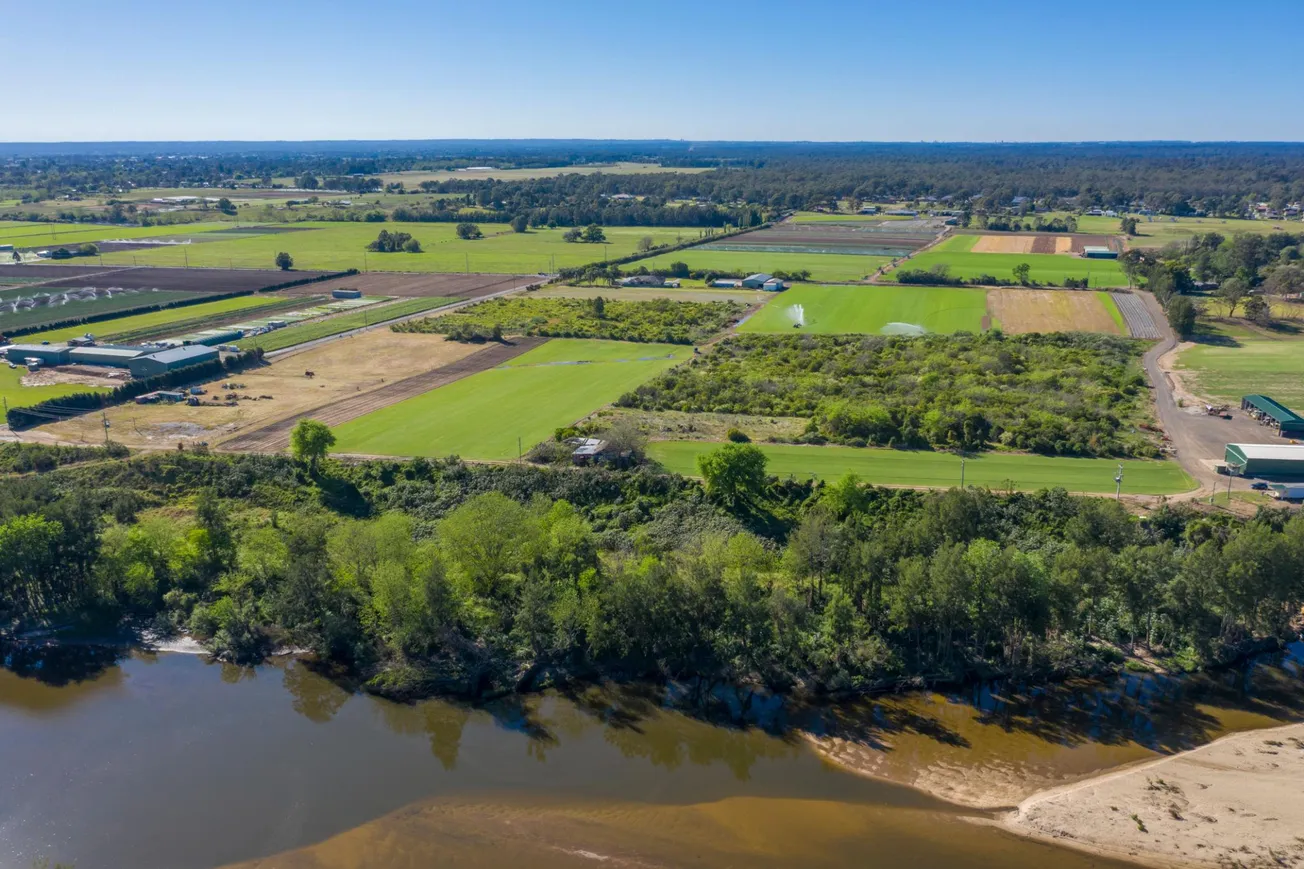
For communities like those in the Hawkesbury where bushfires, floods and extreme weather have had direct impacts in recent years the outcome of the inquiry could influence how climate information is communicated and debated in the future.
The final report will determine whether new safeguards are introduced to protect public discussion from manipulation while balancing free speech concerns.
This story contains information originally published by ABC Business Reporter Gareth Hutchens February 2026. For the original full story see the link below: