Table of Contents
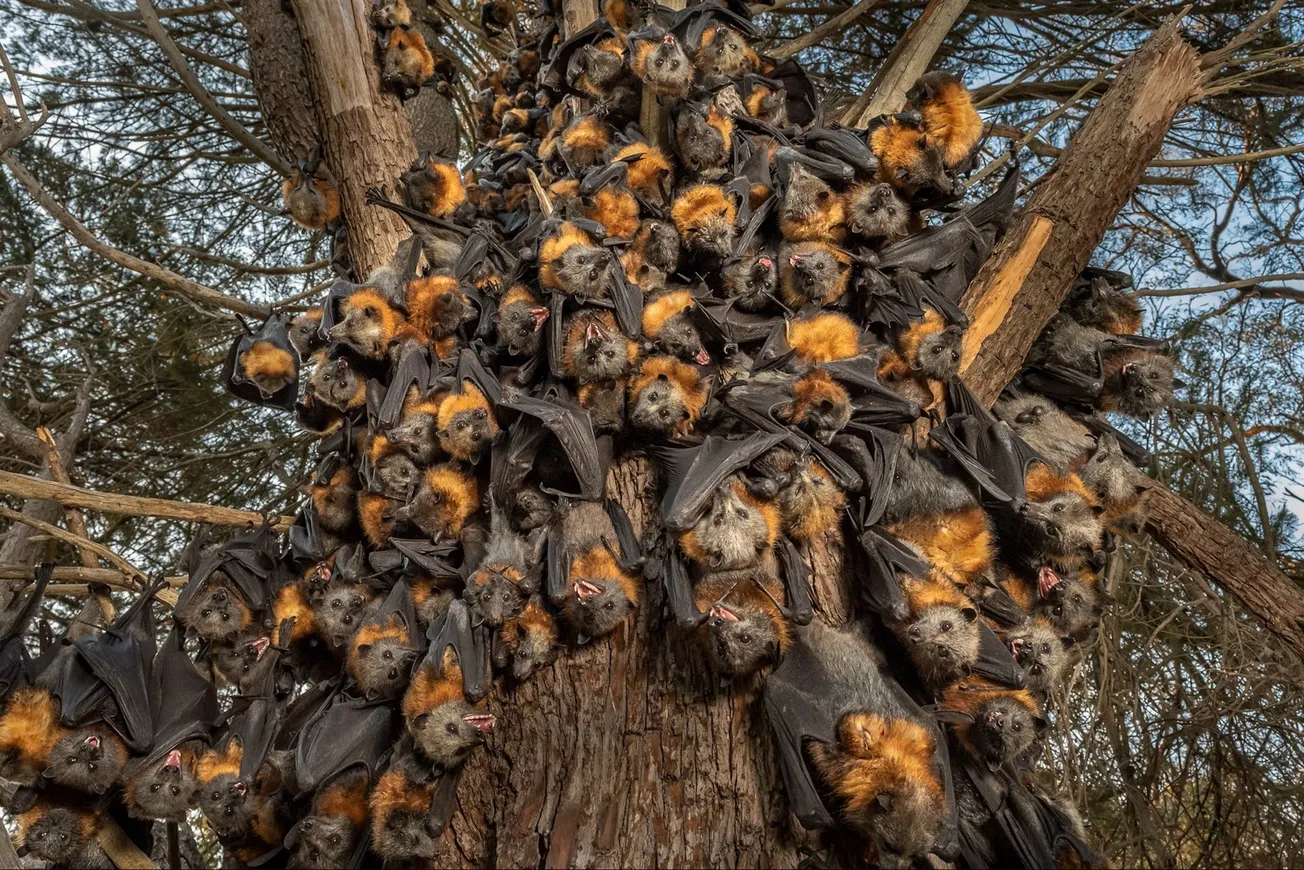
Residents across the Hawkesbury region are being urged to steer clear of bats this summer, with health authorities warning that injured or distressed bats can carry a potentially fatal virus.
Australian Bat Lyssavirus (ABLV), a close relative of rabies, has been detected in both fruit bats (flying foxes) and insect-eating microbats across Australia. Experts stress that any bat in Australia could potentially carry the virus, even if it appears healthy.
The start of summer is considered a high-risk period, as hotter weather makes bats more active and more susceptible to heat stress. In previous years, bats testing positive for ABLV have been found in areas including Penrith, the Blue Mountains, Hawkesbury and Lithgow.
ABLV can be transmitted to humans through a bat bite or scratch, or when infected saliva enters the eyes, nose or mouth, or comes into contact with broken skin. Once symptoms develop, the virus affects the central nervous system and is usually fatal.
Eloise Milthorpe, Director of the Centre for Population Health at Nepean Blue Mountains Local Health District, said people often put themselves at risk by trying to help animals they believe are in distress.
“If you try to help a distressed or injured bat, you are putting yourself at risk of contracting a fatal infection,” Ms Milthorpe said.
She urged the community to avoid handling bats altogether, whether in Australia or overseas.
“Animals can be infectious without showing signs of sickness, so you should never attempt to handle bats or flying foxes,” she said.
“If you encounter a bat that is injured or distraught, the best thing you can do is call trained experts from a wildlife rescue group.”
Residents are encouraged to contact WIRES on 1300 094 737, so experienced carers can safely retrieve and care for injured animals.
Health authorities say anyone who is bitten or scratched by a bat should immediately wash the wound thoroughly with soap and water for at least 15 minutes, apply an antiseptic with antiviral action, and seek urgent medical attention from a GP. People should also contact their local Public Health Unit on 1300 066 055 for further advice.
The message from health officials is clear: admire bats from a distance, leave rescues to the experts, and help keep both wildlife and the community safe.