Table of Contents
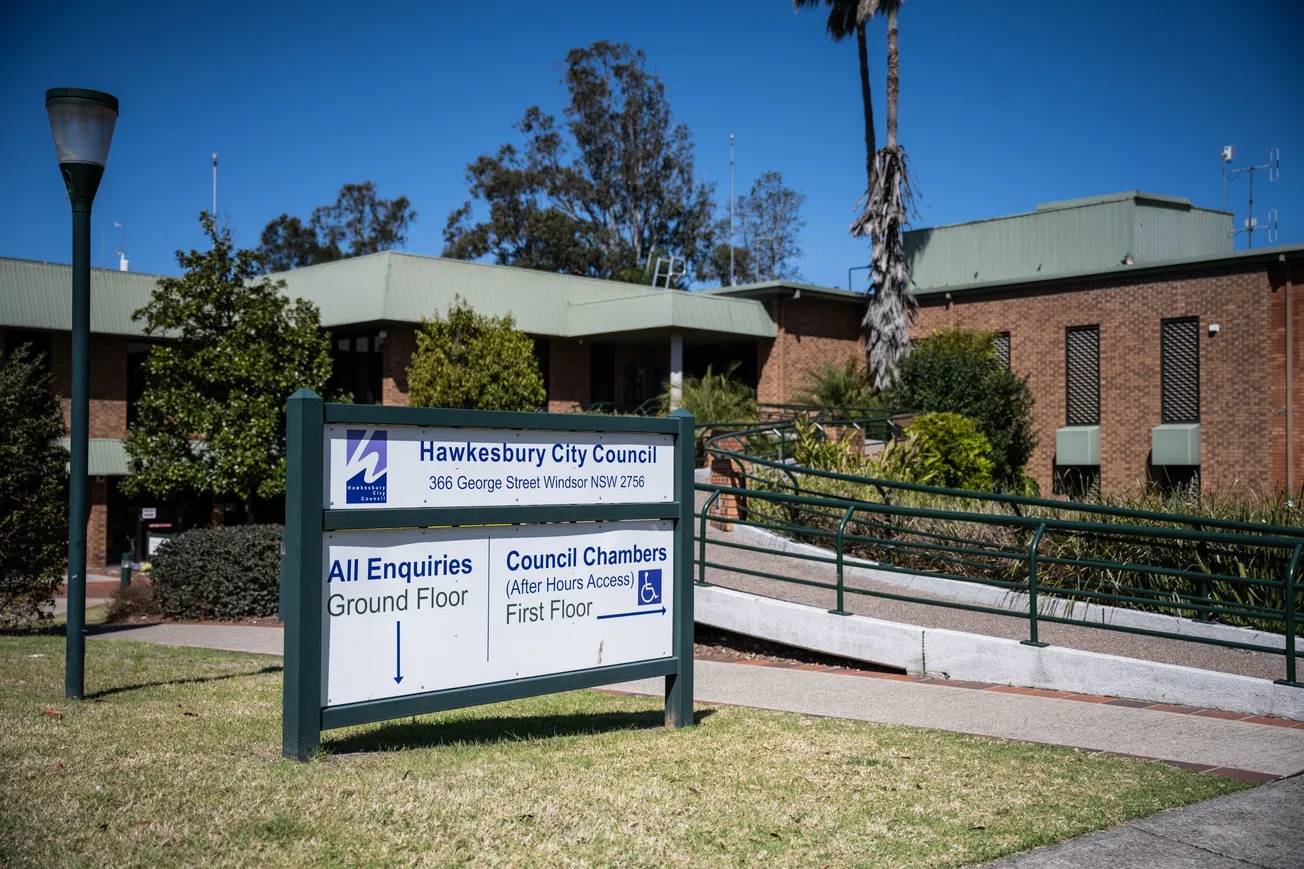
Hawkesbury Councillors will no longer be able to hold private briefing sessions on matters destined for council decisions, following major transparency reforms introduced by the NSW Government.
Now all NSW councils, including Hawkesbury City Council, must comply with a new Model Code of Meeting Practice that significantly tightens the rules around councillor briefings and workshops.
Under the changes, councils are prohibited from holding private briefings or workshops where councillors receive information or discuss issues that should be considered at a public council or committee meeting. The reforms aim to ensure that decisions are made openly and that the community has access to the same information councillors rely on.
The NSW Government has described the changes as ushering in a “new era of transparency” for local government, responding to long-standing community concerns that key discussions were happening behind closed doors before formal meetings.
However, some councillors have raised strong concerns about the practical impact of the ban on briefings, particularly on informed decision-making.
Cr Nathan Zamprogno said councillor briefings had, for decades, played a critical role in improving the quality of debate and decision-making at formal meetings.
“For many decades, the Tuesdays between meetings have been fruitfully occupied with workshops, training, and briefings on the issues soon to come to the chamber,” Cr Zamprogno said.
“Our ability to have robust discussions with each other, and with Council staff, has been crucial to making our chamber time at formal meetings better informed. Now, even the most basic questions will have to be dealt with in the chamber, as councillors grapple with complex information for the first time.
“Frankly, the ban makes us dumber elected representatives, and I can’t help but cynically assume that this is the intent of the Local Government Minister.”
Briefings have traditionally been used by councils to help councillors understand complex reports, ask questions of staff, and prepare for upcoming meetings. While no formal decisions were made at these sessions, critics argued they often shaped outcomes before issues were debated in public.
Under the new rules, those discussions will now need to take place in open council meetings, formal committees, or public forums, except where matters are genuinely confidential under the Local Government Act, such as legal advice, commercial negotiations, or personnel issues.
The reforms are expected to significantly change how councillors prepare for meetings, with greater reliance on written reports, public question time, and committee structures. Supporters say the shift will improve public confidence in council decision-making, while opponents warn it may reduce the quality of debate and place councillors at a disadvantage when dealing with complex or technical matters in a public forum.
The Bottom Line
The new meeting rules are designed to increase transparency, but transparency alone does not guarantee better decisions.
The core risk is that removing informal briefing spaces may:
- reduce understanding,
- weaken scrutiny, and
- shift real decision-making power away from elected councillors.
The core safeguard lies in how seriously councils invest in public, high-quality deliberation, rather than assuming that openness automatically delivers it.
The reforms raise an important question for local democracy:
how to balance the public’s right to see decisions made with councillors’ need to properly understand what they are deciding.
That balance will determine whether these changes strengthen local government or quietly undermine it.
.