Table of Contents
Households building new homes across the Hawkesbury and wider NSW will soon face upfront gas connection fees of more than $2,000, following a major rule change aimed at reducing long-term energy costs.
The decision, handed down by the Australian Energy Market Commission, will apply from October next year across south-east Queensland, NSW, the ACT and South Australia. It brings these states into line with Victoria, where developers already pay upfront gas connection costs.
Energy advocacy group Rewiring Australia has welcomed the move, saying it corrects an unfair system that has left existing gas customers subsidising new connections.
Under the previous rules, the cost of connecting new homes to gas was spread across the entire gas network. That meant current users were effectively helping fund new developments even as overall gas demand continues to fall.
Rewiring Australia says the change will help prevent further rises in household energy bills and discourage unnecessary new gas connections.
“For too long, developers have been imposing higher bills and more emissions on people by building gas-connected homes just because it saved them a bit of money,” said Rewiring Australia CEO Francis Vierboom.
“This announcement fixes the economics. We can run our homes on electricity and we hope it marks the end of new gas connections nationwide. When you’re in a hole, stop digging.”
Recent data supports the shift away from gas. Figures from the Australian Energy Regulator show that gas connections are already slowing, with only one new gas connection for every five new electricity connections nationwide. Meanwhile, Australian Bureau of Statistics data indicates household gas use fell by 15 per cent last year.
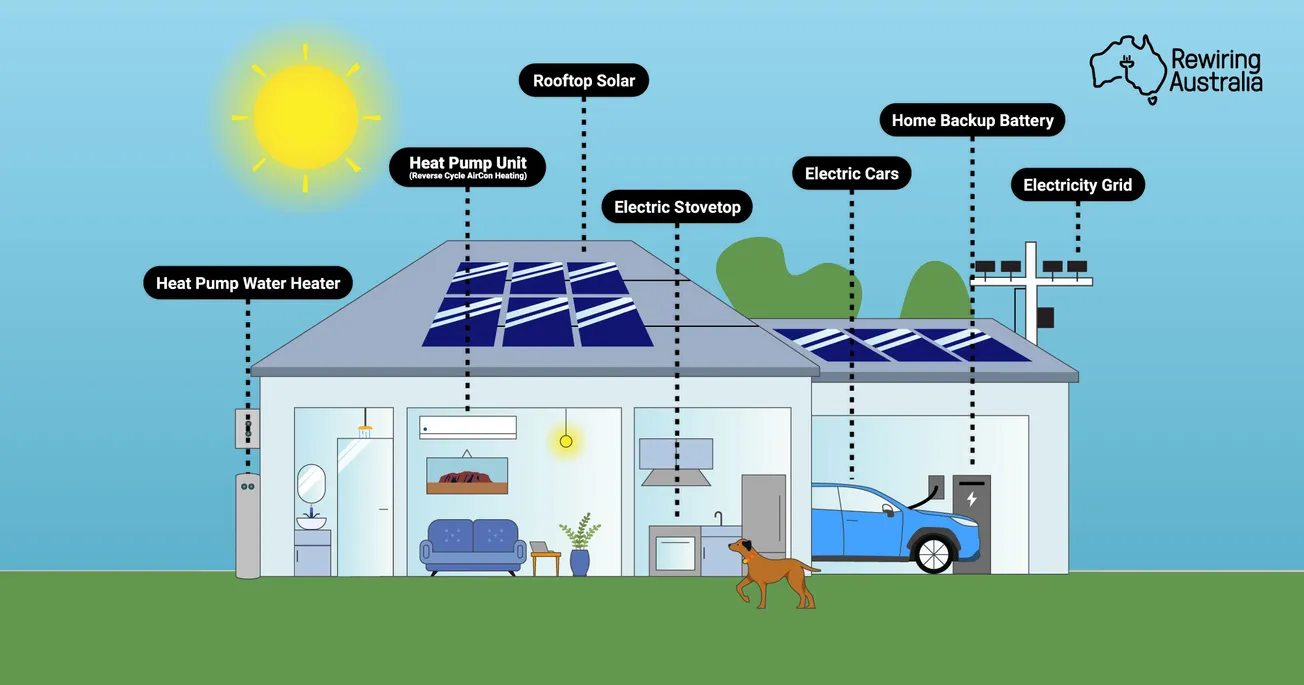
Rewiring Australia’s own research suggests households that switch to fully electric homes using efficient appliances such as induction cooktops, heat pumps and electric hot water systems can save thousands of dollars each year on energy bills.
Mr Vierboom said the focus now needs to be on supporting households through the transition.
“We need to help more families electrify their homes so they can benefit from cheaper and cleaner energy,” he said. “And we need to do it urgently, so renters and low-income households aren’t left behind and stuck on gas.”
The rule change is expected to influence future housing developments across Western Sydney, as builders and buyers weigh the long-term costs of gas versus all-electric homes.