Table of Contents
Farmers and rural communities in the Hawkesbury are urging to be placed at the centre of Australia’s climate response, as growers across the country push for stronger, science-based climate policies and improved coordination of climate change adaptation.
This week, Farmers for Climate Action released an open letter addressed to Prime Minister Anthony Albanese and federal opposition leaders, calling for a bipartisan commitment to climate policies aligned with scientific advice. The letter also advocates for the creation of a new national authority to oversee climate adaptation efforts.
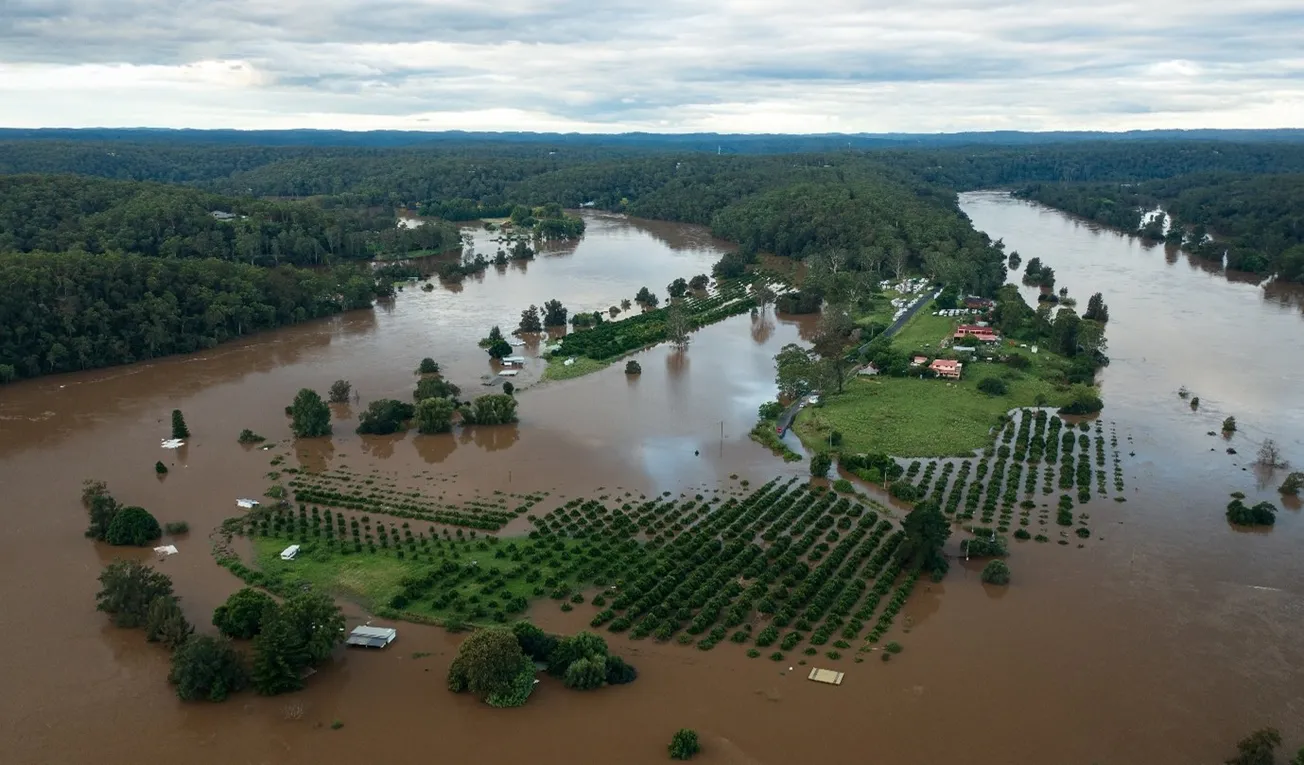
The call comes as Hawkesbury farmers continue to recover from years of extreme weather events, including repeated flooding along the Hawkesbury-Nepean River, prolonged droughts, and severe heatwaves. These conditions have placed mounting pressure on crops, livestock, and farm infrastructure.
“We’re seeing more intense storms and longer dry spells,” said local Hawkesbury farmer Phil Burkitt. “It’s not just about the farm anymore, it’s about keeping our community alive. We need policies that protect us before disaster strikes, not just aid after.”
Emeritus Professor of Horticulture and Viticulture at the University of Melbourne and vigneron Professor Snow Barlow echoed these concerns, saying farmers and rural communities are on the frontline of climate impacts. “Every time floods and fires rip through regional Australia, farmers are in the firing line,” Professor Barlow said.
Farmers for Climate Action highlights that climate impacts extend beyond agricultural production, affecting mental health, insurance affordability, and the long-term resilience of regional communities such as those in the Hawkesbury.
Acting Chief Executive Officer Verity Morgan-Schmidt stressed the importance of recognising climate-driven disasters including floods, fires, droughts, and heatwaves as interconnected signals of climate change. “The cumulative impact of livestock losses, damaged infrastructure, economic strain and rising insurance costs must be front and centre in the national political agenda,” she said.
Ms Morgan-Schmidt added that while farmers often bear the first and harshest impacts, climate change ultimately affects all Australians.
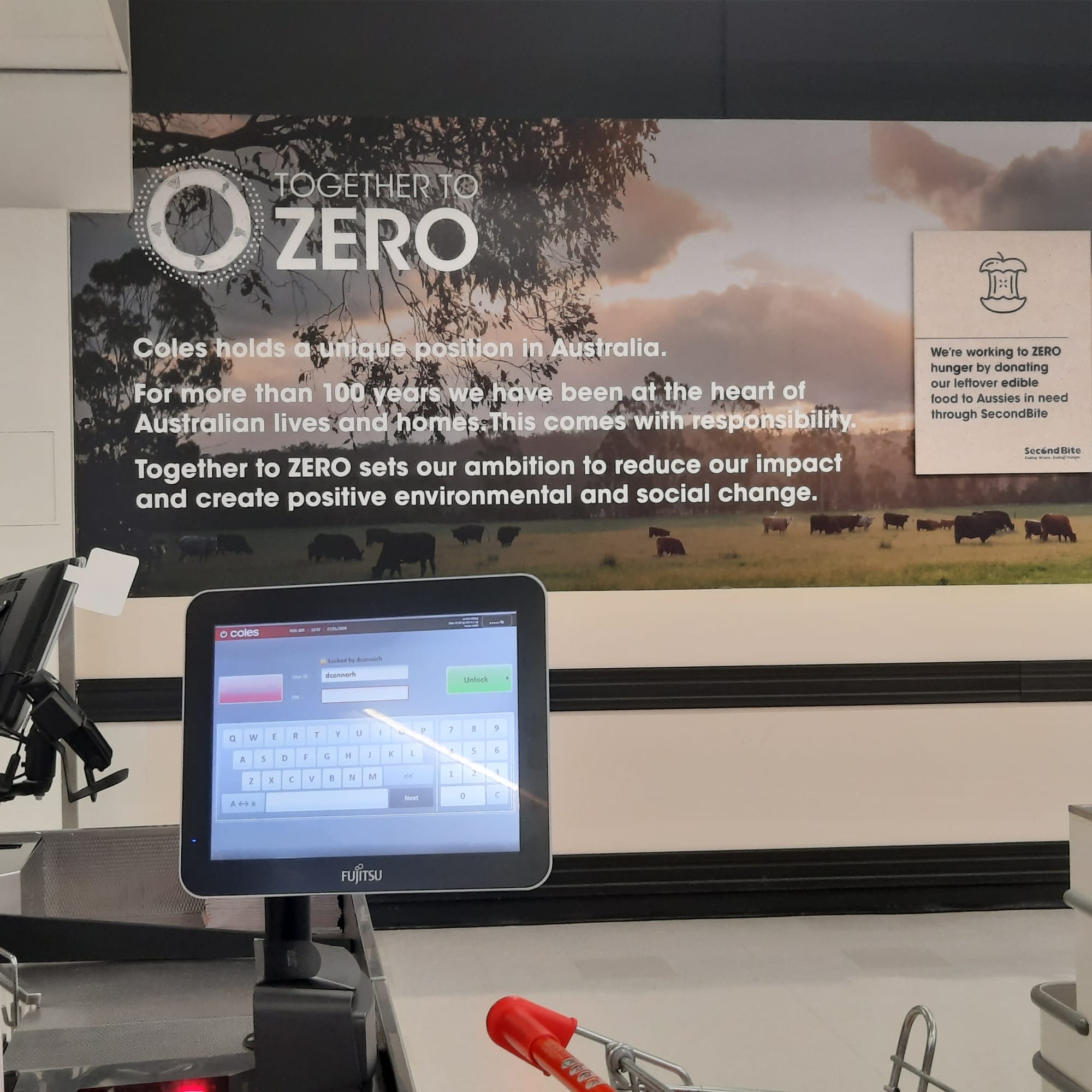
In this evolving landscape, major Australian companies like Coles have committed to achieving net zero emissions by 2050, reflecting growing corporate responsibility towards climate change. Such commitments also impact farmers, who supply much of the food Coles sells, underscoring the need for policies that support sustainable farming and rural resilience.
The open letter, signed by more than 1,300 people, also calls for rural and regional communities to be prioritised in Australia’s transition to clean energy, ensuring local voices are heard in planning and investment decisions.
Emergency services veteran and former NSW Fire and Rescue Commissioner Greg Mullins AO AFSM, also a signatory, said better coordination and long-term planning were essential to improving resilience in fire- and flood-prone regions.
For Hawkesbury farmers, the call reflects a growing push for long-term solutions that move beyond disaster recovery towards prevention, adaptation and resilience in a region increasingly exposed to extreme weather.