Table of Contents
Why Verifying Bondi Beach Claims Matters More Than Ever
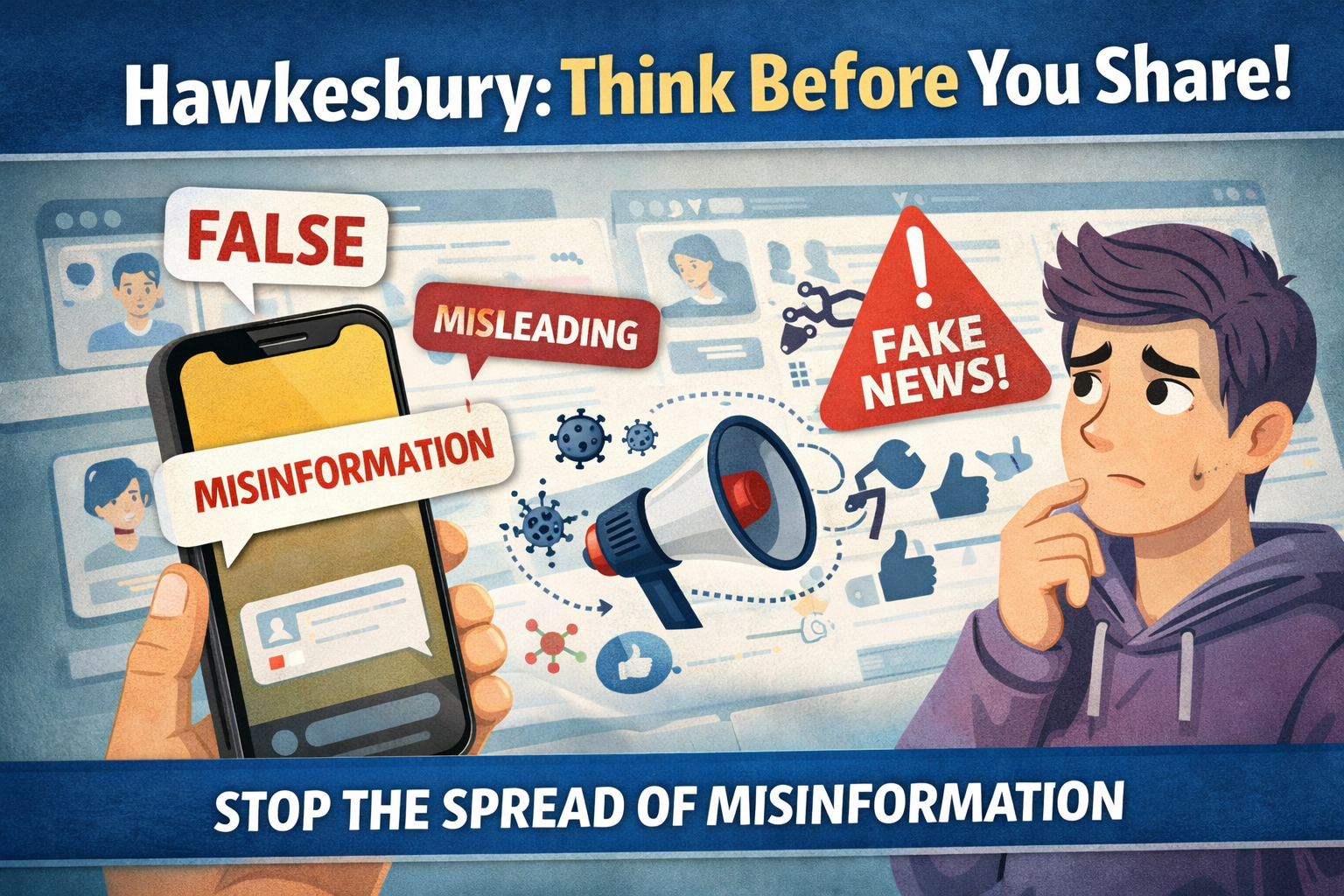
In the aftermath of the Bondi Beach terror attack local social media became quickly flooded with claims, images and theories that were misleading, false or deliberately designed to inflame emotions. The sharing of misinformation spreads like wildfire, and how damaging it can be to innocent people and first responders is highlighted below.
The Hawkesbury Gazette noted a significant amount of misinformation circulating on local Facebook pages in the hours and days following the attack. Among the false claims repeatedly shared were assertions that the perpetrators were illegal immigrants, a claim not supported by verified reporting. Such posts gained traction quickly, despite there being no factual basis for them at the time they were shared.
ABC News Verify has since debunked a number of false narratives linked to the attack, including AI-generated images and fabricated social media profiles designed to distort public understanding. Some posts falsely suggested international conspiracies, while others misrepresented the actions of police officers responding under fire.
One widely shared image, viewed millions of times, was created using artificial intelligence but presented as evidence of a meeting that never occurred. Another involved fake Facebook screenshots falsely attributing religious or political motives to the gunman, feeding antisemitic conspiracy theories with no basis in reality.
There were also misleading images taken out of context and used to criticise police officers particularly female officers, despite verified footage showing officers acted bravely, protected bystanders and secured the scene while under direct threat.
When something terrible happens, it is natural to want answers as quickly as possible. Psychologists note that this instinct is part of human survival, we try to understand a threat rapidly so we can decide what to do next and how to stay safe. Social media often fills this information gap instantly, but not always accurately.
The problem arises when people plan, react or form opinions based on false or misleading information. Acting on incorrect assumptions can deepen fear, fuel division and, in some cases, place people in greater danger rather than reducing risk.
Waiting for verified information and fact-checking claims is difficult. Humans are uncomfortable with uncertainty and ambiguity, especially during crises. However, if there is no immediate danger and time allows, pausing to check reliable sources leads to better decisions and more effective responses.
This is where mainstream media outlets play a critical role. Organisations such as the ABC operate under editorial standards that require verification, source checking and accountability. When mistakes are made, they correct them publicly, update stories and issue apologies, a level of responsibility that anonymous social media accounts and viral posts are not held to.
By contrast, social media platforms often reward speed, outrage and engagement over accuracy. AI-generated images, edited videos and fabricated screenshots can be produced in minutes and shared widely before facts are established.
Police Commissioner Mal Lanyon told 2GB and described the misleading use of images and out-of-context material as “incredibly harmful,” warning that misinformation undermines trust and unfairly targets people who may already be facing danger or trauma.
For Hawkesbury residents, the message is clear: pause before sharing. Consider where information comes from, whether it has been confirmed by reputable news organisations, and whether it could cause harm if it later proves false.
In times of crisis, choosing trusted, accountable journalism over unverified social media posts helps protect the truth, the community, and those directly affected by tragic events.
Before clicking “share,” waiting, checking and verifying can make all the difference.
For more information about fact checking click on the link:https://www.abc.net.au/news/factcheck