Table of Contents
From local living rooms to international stadiums, competitive gaming is no longer a niche pastime. Known as esports, organised video game competitions now attract millions of viewers worldwide and the question of whether gaming should be considered a sport, and even included in the Olympics, is gaining momentum. It’s a debate that’s beginning to resonate here in the Hawkesbury, particularly among younger residents and families.
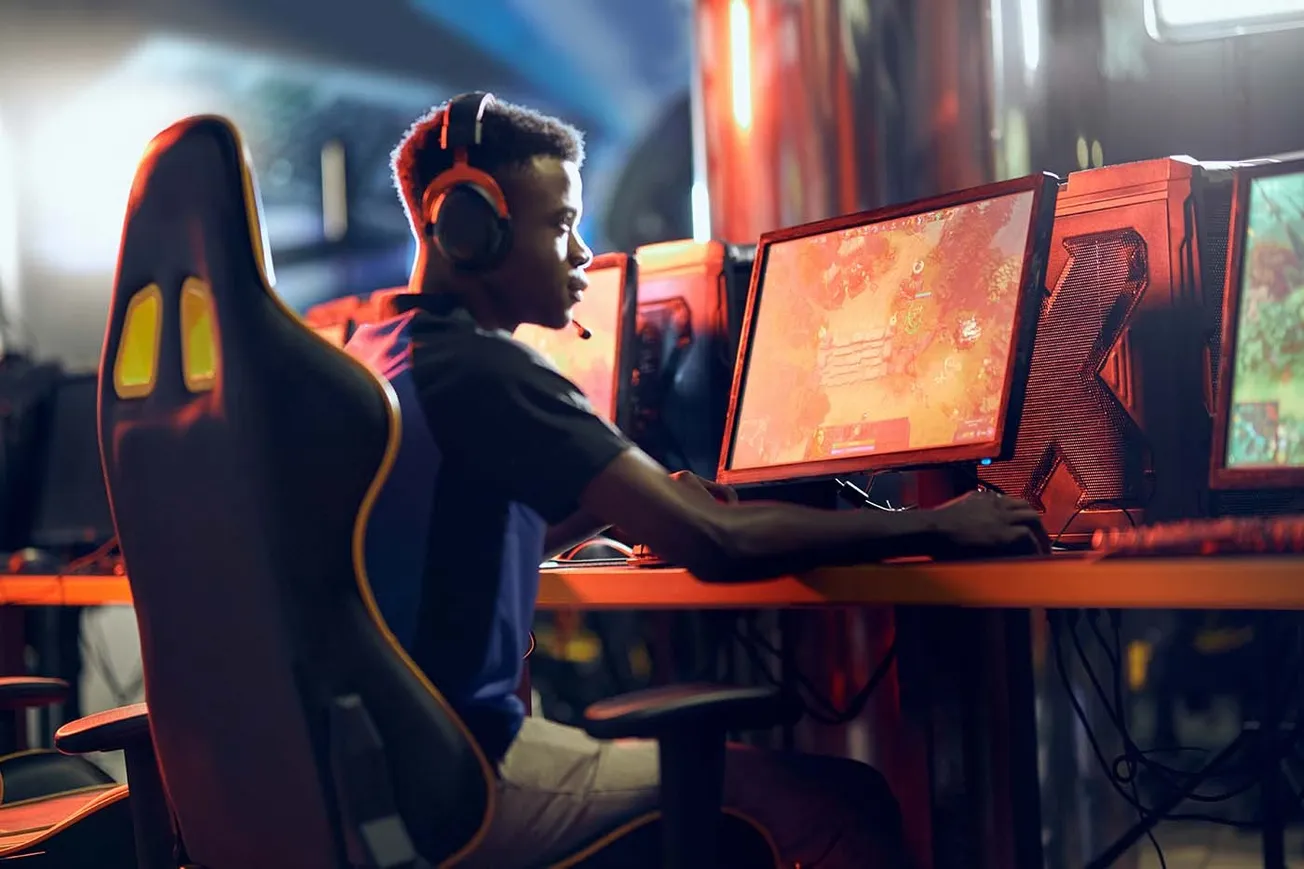
Supporters of esports argue that gaming meets many of the criteria traditionally associated with sport. Competitive gaming requires exceptional hand–eye coordination, lightning-fast reaction times, strategic thinking and mental endurance. Professional gamers train for hours each day, analyse opponents, work in teams and compete under strict rules and international rankings not unlike athletes in football, cricket or athletics.
Esports tournaments now fill arenas across the globe, with online broadcasts attracting audiences that rival major sporting events. For many young people in the Hawkesbury, gaming is already part of their social and competitive lives, whether through online leagues, school competitions or local gaming communities.
However, critics question whether gaming truly qualifies as a sport. Unlike traditional Olympic events, esports involve limited physical exertion and are largely sedentary. Health professionals often raise concerns about long periods of screen time, while others argue that sport should involve whole-body physical movement rather than fine motor skills alone.
There are also concerns about governance. Most esports titles are owned by private companies, unlike traditional sports which are overseen by independent international federations. Games can rise and fall in popularity quickly, raising questions about longevity, a key factor in Olympic inclusion.
The Olympic movement itself is already grappling with these questions. The International Olympic Committee has taken cautious steps, launching the Olympic Esports Series, which focuses on non-violent, simulation-style games such as virtual cycling, rowing and motorsport. These formats are seen as better aligned with Olympic values than combat or shooter-style games, which remain controversial due to their violent content.
For communities like the Hawkesbury, the debate highlights a broader conversation about how sport is defined in a changing world. As technology reshapes how people compete, connect and train, the traditional boundaries of sport are being tested. Younger generations, in particular, often view esports as just as legitimate as physical sports, while older generations may remain sceptical.
"I think gaming should be an Olympic sport as it is one of the most popular hobbies in the world." says Linda, a Hawkesbury gamer
So should gaming be included in the Olympics? The answer may lie somewhere in the middle. Esports clearly demand skill, discipline and competition, key elements of sport but they may never fully replace or mirror traditional athletic events. Selective inclusion of non-violent, skill-based games could offer a compromise, allowing the Olympics to evolve while preserving its core values.
As the conversation continues globally, it’s clear that esports are here to stay. Whether they earn a permanent place on the Olympic stage remains to be seen but the debate is one that’s increasingly relevant, even in communities like the Hawkesbury.