Table of Contents
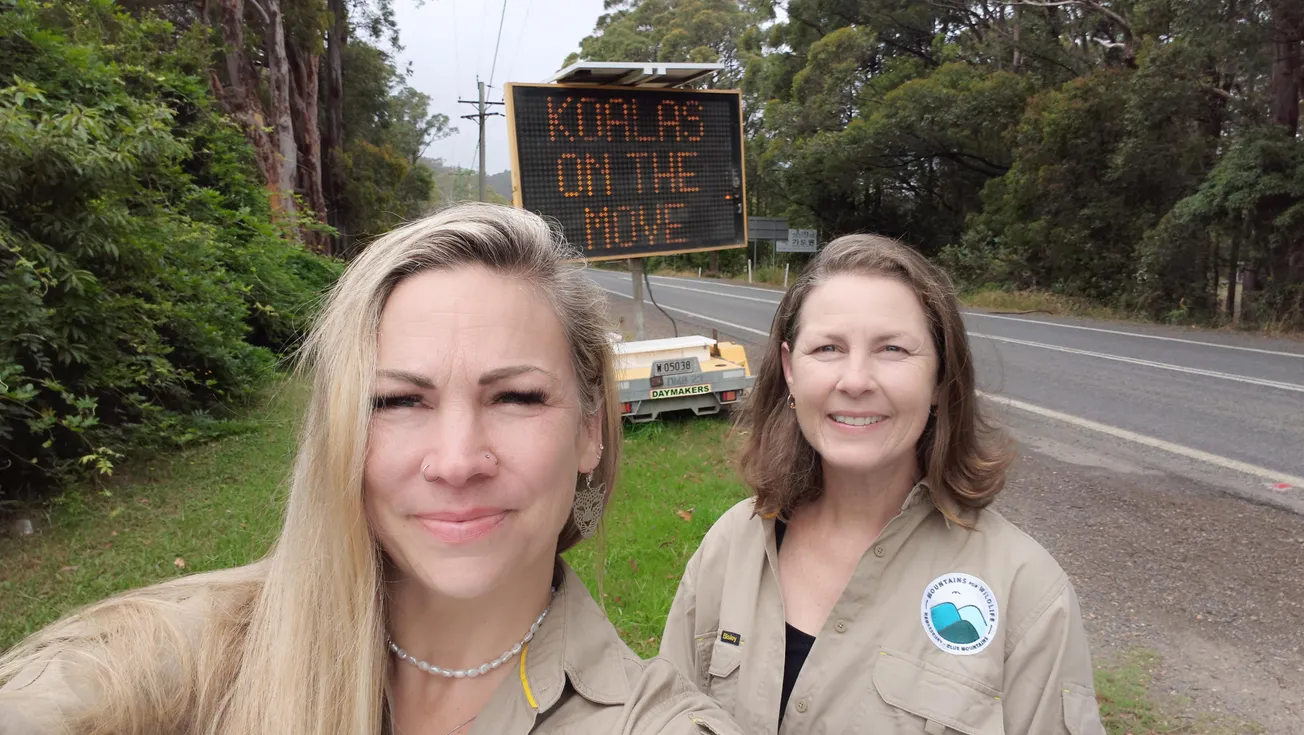
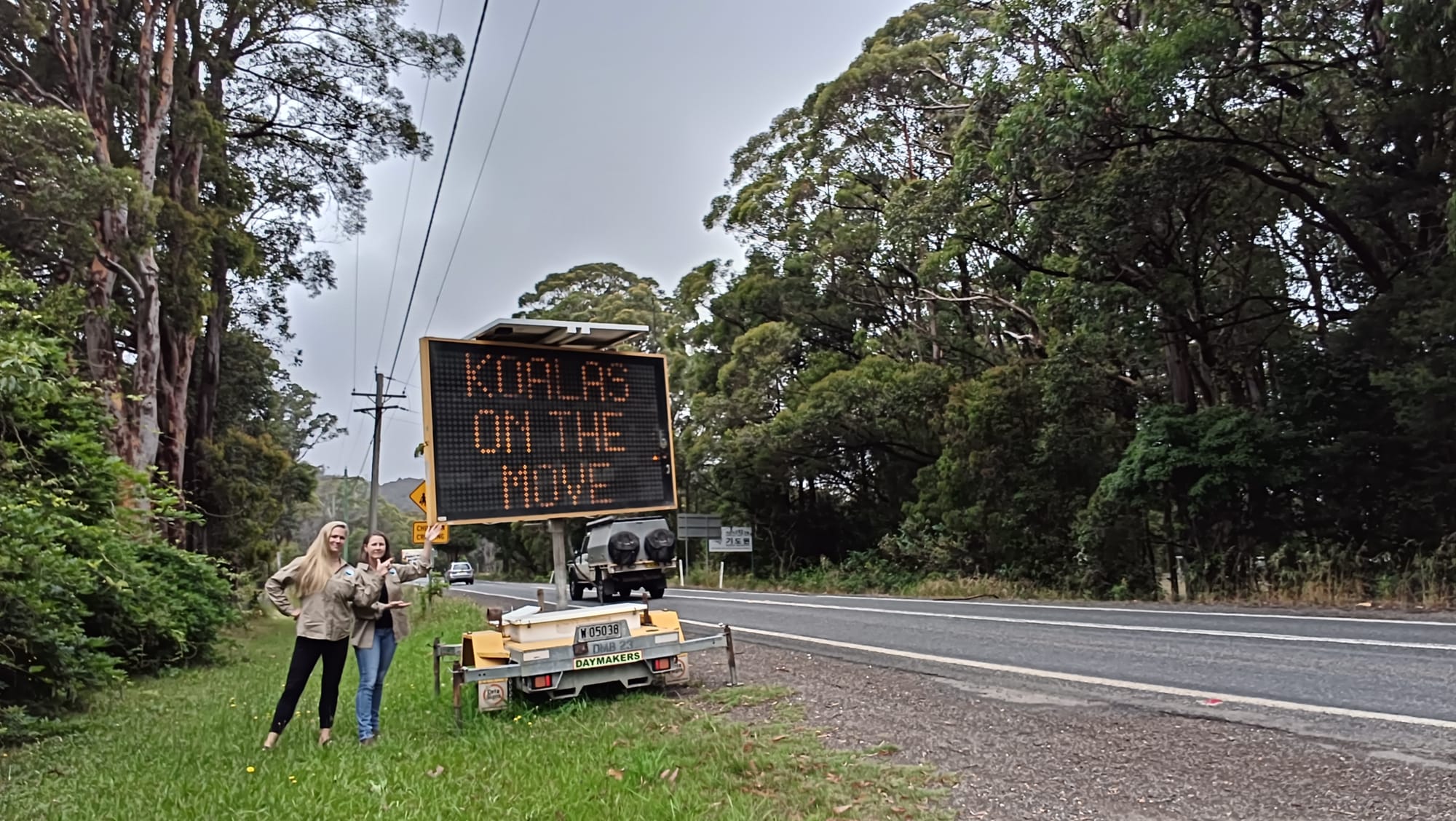
After years of relentless advocacy, passion, and persistence, Hawkesbury communities are celebrating the third consecutive year of Variable Message Board warning signs alerting motorists to koalas during their critical mating and movement season.
For many locals and wildlife carers, these roadside signs are far more than flashing messages. They are symbols of community victory and a testament to what can be achieved when residents unite behind a shared purpose.
A Long Road to Change
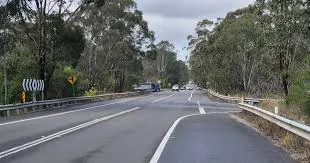
The push for VMB signs has spanned many years, with countless letters, meetings, and pleas directed to Council, Transport for NSW, and WIRES. Despite Kurrajong Heights and Bellbird Hill being identified as a high-impact koala zone posing significant risks to both wildlife and motorists little action was taken.
A turning point finally came when Dannii Warner from Mountains for Wildlife contacted local Federal MP Susan Templeman, whose intervention helped break years of inaction.
“Susan’s involvement was the catalyst that finally brought change to the area,” Dannii said.
Frustration Over Missing Funding
Despite the success of the VMBs, deep disappointment remains about the lack of government funding particularly from bushfire recovery grants that were intended to support rebuilding and protection efforts.
Local volunteers produced extensive mapping of high-risk zones for wombats, kangaroos, and koalas, identifying urgent hazards to animals and drivers. Yet no financial support was provided to roll out basic protective measures.
“Volunteers did the groundwork: the data collection, the advocacy, the planning,” Hawkesbury enviornment network said.
With funding stalled, the community took matters into its own hands, even floating ideas for fundraisers though many say it’s the millions already allocated to recovery that should be released for this work.
Looking Toward Long-Term Solutions
The community’s success has reinforced the power of grassroots action, but residents say it should not be up to volunteers alone to safeguard wildlife. Locals are calling for stronger partnership between government agencies, funding bodies, major wildlife organisations, and community groups.
What they want now is an automatic annual response: three key hotspot areas already identified should receive VMBs each year without a fresh fight. VMBs, they argue, are an effective short-term measure until permanent solutions such as wildlife crossings, fencing, and speed-calming infrastructure are implemented.
A Community United for Wildlife
In a region shaped by fire, floods, and ongoing environmental loss, the unity shown in securing the VMB signs has become both a beacon of hope and a call to action. Residents say the project proves that when a community stands together with love for its land and animals, lasting change is possible.
These VMB signs are more than roadside lights
they are a message that this community is watching, caring, and ready to keep fighting for wildlife protection and safer roads.