Table of Contents
The annual 16 Days of Activism Against Gender-Based Violence has begun, with local health organisations urging the community to stay alert and informed as rates of domestic, family and sexual violence (DFSV) remain alarmingly high across the region.
The global campaign, which runs from 25 November International Day for the Elimination of Violence Against Women to 10 December, aims to raise awareness, strengthen prevention efforts and support victim-survivors worldwide.
In the Hawkesbury, Blue Mountains, Penrith and Lithgow areas, the campaign is being strongly supported by Wentworth Healthcare, the provider of the Nepean Blue Mountains Primary Health Network (NBMPHN), through its federally funded Care and Connect Program.
Recent data from the Bureau of Crime Statistics and Research reveals more than 3,000 incidents of domestic, family and sexual violence were reported in these four LGAs in the past financial year. Wentworth Healthcare CEO Lizz Reay said the reality is likely far worse.
“A large number of incidents still go unreported,” Ms Reay said.
“Domestic, family and sexual violence can affect anyone, regardless of background or circumstances. A whole-of-system approach is needed to address this issue.”
Why the 16 Days Matter
The 16 Days of Activism is a worldwide movement that encourages communities, governments and organisations to spot the signs, support those at risk, and challenge attitudes that enable violence.
It also highlights the importance of early intervention—an area where local general practitioners are uniquely placed to help.
According to the Australian Institute of Health and Welfare, more than one in five victim-survivors make their first disclosure of violence to their GP. Regular, trusted medical appointments often give clinicians the chance to notice injuries, patterns, behavioural changes or emotional distress that may otherwise remain hidden.
Ms Reay said empowering GPs with the right tools is critical.
“General practice and other community-based health services play a crucial role. Not all victim-survivors can, or will, access specialist services. For many, their GP is their first and safest point of contact.”
The Care and Connect Program: Support Where People Already Feel Safe
Through the Care and Connect Program, GPs and practice staff receive specialist training to help them:
- identify signs of domestic, family and sexual violence
- respond safely and appropriately
- support victim-survivors with tailored, trauma-informed care
The program also provides Care and Connect Linkers experienced DFSV support workers who collaborate directly with local GP clinics. These linkers can help with:
- safety planning
- accessing counselling or housing support
- navigating financial assistance
- seeking an apprehended violence order
- referrals to behaviour-change programs for individuals who use violence
“Care and Connect Linkers co-locate with a number of practices, making it easier for victim-survivors to get help in a safe, familiar setting,” Ms Reay said.
Federal Support and Local Impact
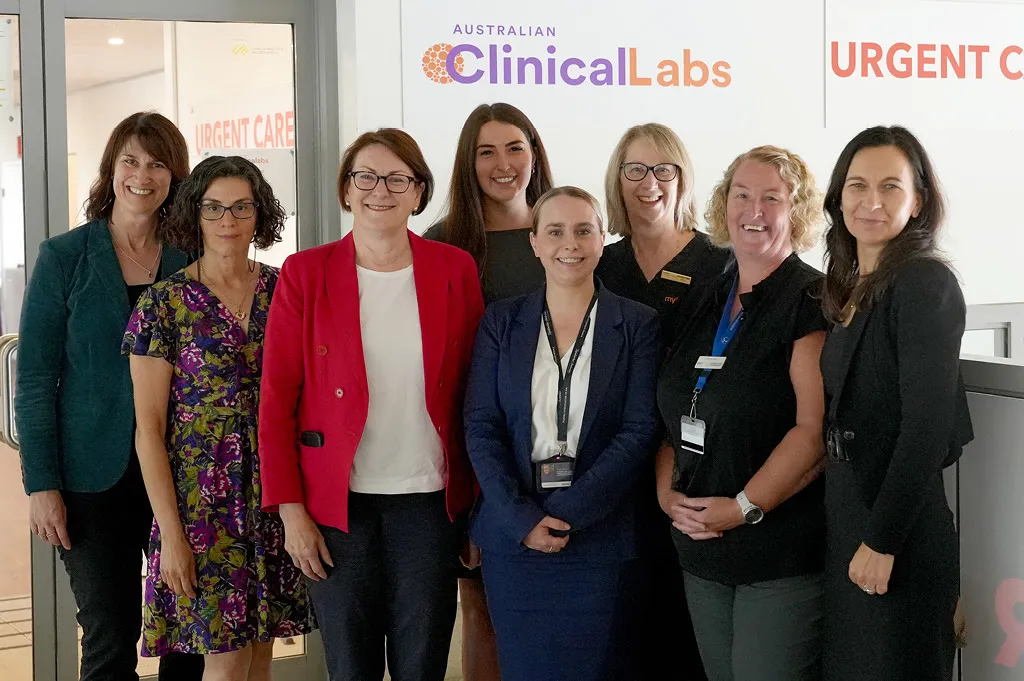
Federal Member for Macquarie Susan Templeman MP recently met with program practitioners and praised the initiative.
“I applaud the work being done. Making support available in a trusted location like a regular GP practice makes a lot of sense,” Ms Templeman said. “It’s wonderful to see a federally funded program delivering real, practical support.”
A High-Risk Time of Year
While the holiday season is joyful for many, it can also be a period where violence escalates. Wentworth Healthcare is urging residents to look out for each other and seek help if needed.
Where to Get Help
Support is available 24/7:
- 1800RESPECT – counselling, information and support (phone, chat or text)
- Link2Home – 1800 152 152 – emergency accommodation and housing referrals
- Police – 000 for immediate danger
For more information about the Care and Connect Program, visit nbmphn.com.au/DFSV.