Table of Contents
Residents along the corridor from North Richmond through the Blue Mountains to Lithgow are likely to see transport safety, reliability and access move to the centre of future state investment, under a new draft plan released by Transport for NSW.
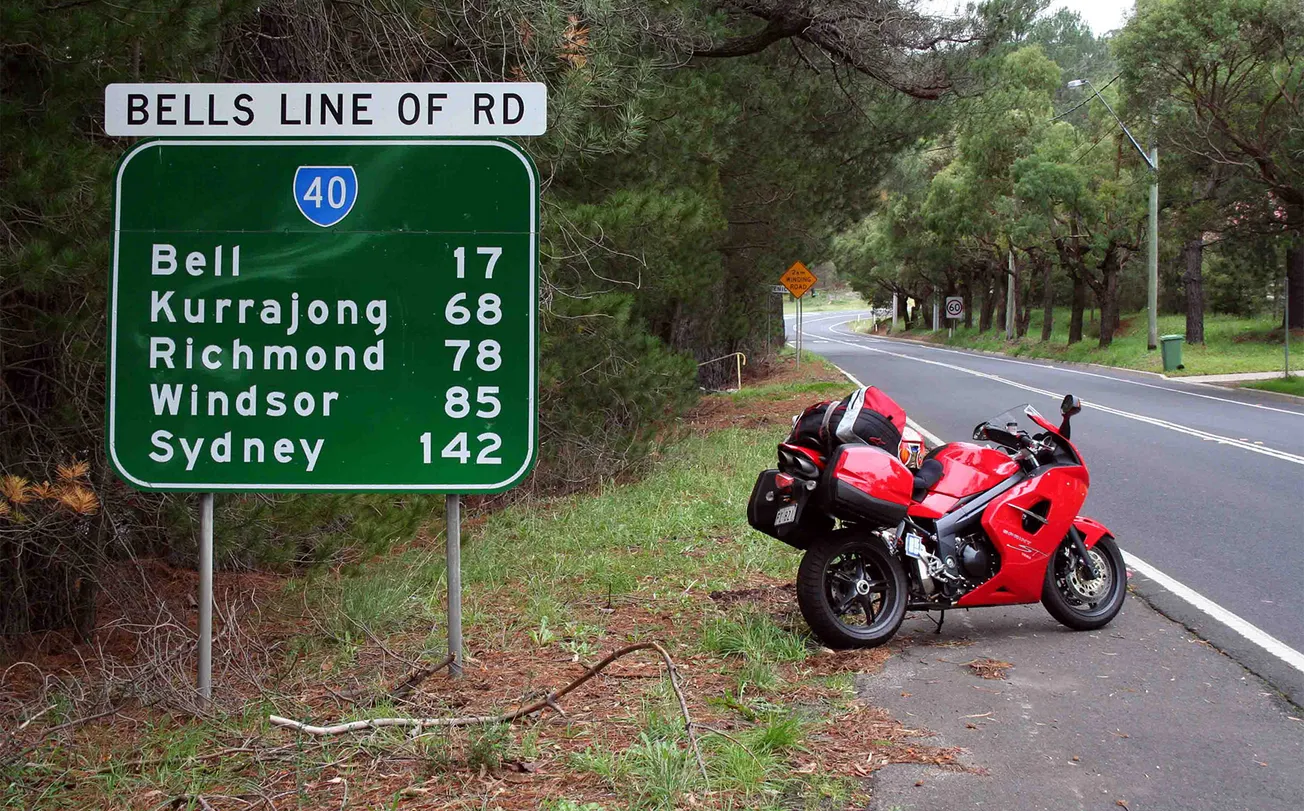
The Draft Central West and Orana Strategic Regional Integrated Transport Plan identifies the eastern gateway into the Central West including the Bells Line of Road, Great Western Highway and the Blue Mountains rail corridor as critical not just for commuters, but for freight, emergency access and regional resilience.
Safer mountain roads and better highway resilience
For communities that rely on the Bells Line of Road and Great Western Highway, the Plan flags targeted upgrades to improve safety and reliability on routes that are frequently impacted by bushfires, floods and landslips.
Transport for NSW acknowledges that these highways are vulnerable links between Sydney, the Hawkesbury, the Blue Mountains and the Central West, and commits to strengthening alternate routes, improving maintenance, and upgrading safety infrastructure particularly where heavy vehicles and local traffic share narrow corridors .
The Plan also supports additional heavy vehicle rest areas and safety upgrades on key routes, aimed at reducing fatigue-related crashes and improving safety for local road users .
Emergency access and communications
The corridor’s role during bushfires and extreme weather is directly acknowledged in the Plan. Transport for NSW commits to improved emergency communication capability, including the use of Transport-owned land and infrastructure to strengthen mobile coverage and real-time information during disasters and major disruptions .
This is particularly relevant for communities west of North Richmond and across the Mountains, where road closures can isolate towns for extended periods and Hawkesbury Council incompetence led to return of funding for elimination of communication blackspots.
Supporting local towns, not just through-traffic
Rather than treating the corridor solely as a freight and commuter route, the Plan emphasises protecting main streets and town centres from excessive through-traffic and heavy vehicles.
This includes investigating bypass use where appropriate, traffic calming in population centres, and safer conditions for pedestrians and cyclists outcomes intended to improve liveability for villages along the route.
“This is one step towards recognising what communities along Bells Line of Road, have known for years , this corridor is a critical lifeline, not a secondary route,” says Fiona Germaine Director of the Bells Line of Road Business Council.
"What matters now is action from all levels of government, a clear commitment to fund and deliver upgrades that keep people connected and safe.”
The Plan is currently on public exhibition, with Transport for NSW seeking feedback before finalising priorities and timeframes. While many projects are listed as investigations rather than funded commitments, the document sets a clear direction: the North Richmond–Lithgow corridor is no longer seen as just a pass-through route, but as a lifeline for communities, safety and resilience.
Community feedback will help determine which upgrades move from planning into delivery. https://www.haveyoursay.nsw.gov.au/sritp/central-west-and-orana