Table of Contents
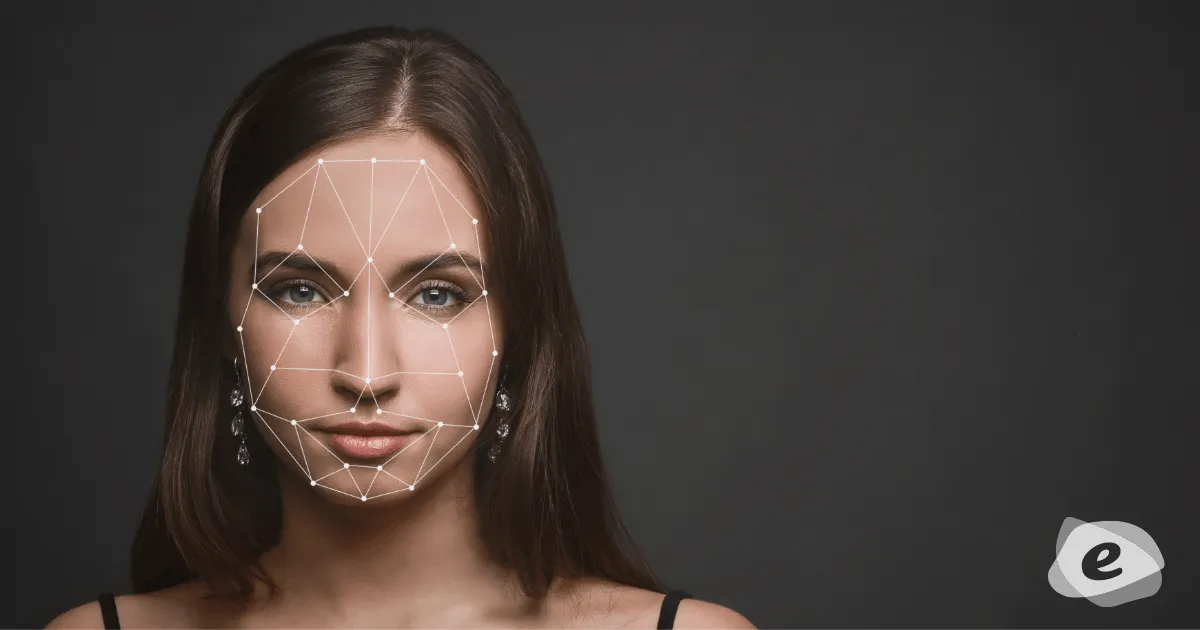
A new law in New South Wales makes it a crime to create, share, or threaten to share sexually explicit images, videos, or audio of someone without their consent. This includes digitally altered or AI-generated content, commonly known as deepfakes, which place a person in sexual situations they were never in.
The law, which came into effect on 16 February 2026, strengthens protections under the Crimes Act 1900 and applies to content created or shared on or after this date. It works alongside child abuse material laws and is part of broader efforts to prevent online harassment and misuse of AI technology.
Women are primarily the biggest targets when it comes to "revenge porn". A national survey conducted by the Australian Institute of Health and Welfare (AIHW) in 2025 found that 1 in 10 Australians had a nude or sexual image of them shared without consent, and women were more likely to experience this than men. Specifically, 15% of women vs 7% of men aged 18+ reported experiencing image‑based abuse
Local platform user Emma, 22, says "I think that's an amazing step in making sure being online is safe for everyone, especially with AI becoming so prominent, so many women are having their Instagram photos AI generated into sexual photos for creeps"
With another local Instagram user Linda, 22, saying "It's definitely heading in the right direction for online safety, as a woman I feel as though I have to lock my profile for my safety. This new law would be a better step towards comfort and security online."
What to Do if You’re Affected
- Report to NSW Police: They can investigate and hold offenders accountable.
- Report to eSafety: They can work with platforms to remove material quickly without involving the courts.
- Support services: The NSW Sexual Violence Helpline is available at 1800 424 017.
Penalties
- Creating or sharing sexual images without consent: Up to 3 years in prison and/or a fine of $11,000.
- Failing to remove material when ordered by the court: Up to 2 years in prison and/or a fine of $5,500.
Special safeguards exist for people under 16, and limited exemptions apply for genuine medical, scientific, or legal purposes.
A review of the law will take place 12 months after it comes into effect to ensure it continues to protect privacy, dignity, and safety in a rapidly evolving online environment.
For more information: