Table of Contents
By Sarah Thompson
If you’re lucky enough to live near a creek or river in the Hawkesbury‑Nepean catchment, you may be sharing your neighbourhood with one of Australia’s most extraordinary and elusive animals, the platypus.
Once thought to be disappearing from urban waterways, research led by Western Sydney University has confirmed that platypus are still living throughout the Hawkesbury‑Nepean system. That discovery has sparked a community‑powered effort to restore riverbanks and give this iconic species a fighting chance to thrive.
At the heart of this work is the Resilient Rivers for Resilient Hawkesbury Platypus Populations Project funded by the Australian Government’s Urban Rivers and Catchments Program and delivered by Western Sydney University in partnership with the Hawkesbury‑Nepean Waterkeeper Alliance (https://www.westernsydney.edu.au/harwest). The Urban Rivers and Catchments
Program is restoring the health of our urban waterways for native plants, animals, and local communities (https://www.dcceew.gov.au/environment/biodiversity/conservation/urban-rivers-catchments-program)
Why riverbanks matter
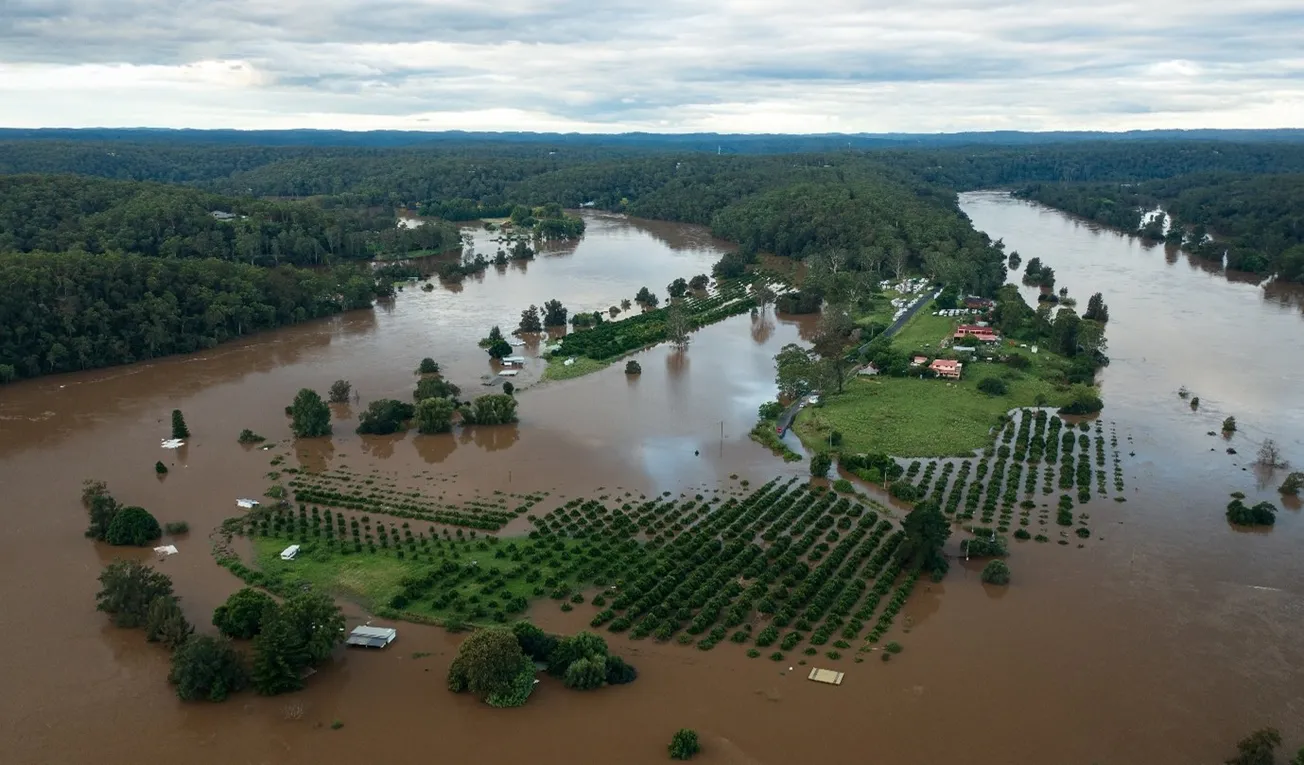
Platypus rely on healthy waterways but not just the water itself. The creek edge or riparian zone provides shade, stabilizes banks, filters runoff, and supports the insects, worms and yabbies that platypus depend on for food. It is where they build their long waterproof dens, protecting their young from floods and predators.
Many riparian areas have been degraded by weeds, erosion, stock access, and the loss of native vegetation. Targeted rehabilitation includes weeding, revegetating with local species, fencing off sensitive areas and using logs to recreate habitat. Small actions can collectively make a big difference that have a flow on effect to benefit the wildlife that live there, and the whole community.
Platypus Parks: growing a network of care
This project is helping to create a connected network of restored waterways known as Platypus Parks safe, resilient habitat corridors across public and private land.
The local First Nations communities have always had a strong connection to the rivers, spanning generations of sustainable management. Their input and training as part of this project is an important way of maintaining a cultural connection to water and land management.
Hawkesbury City Council has been supporting the project with weed control planned at Singletons Reserve in collaboration with Greater Sydney Local Land Services. Merana Aboriginal Community Association is also working with the project team to restore habitat at the Shaws Creek Aboriginal Place bordering Shaws Creek and the Nepean River.
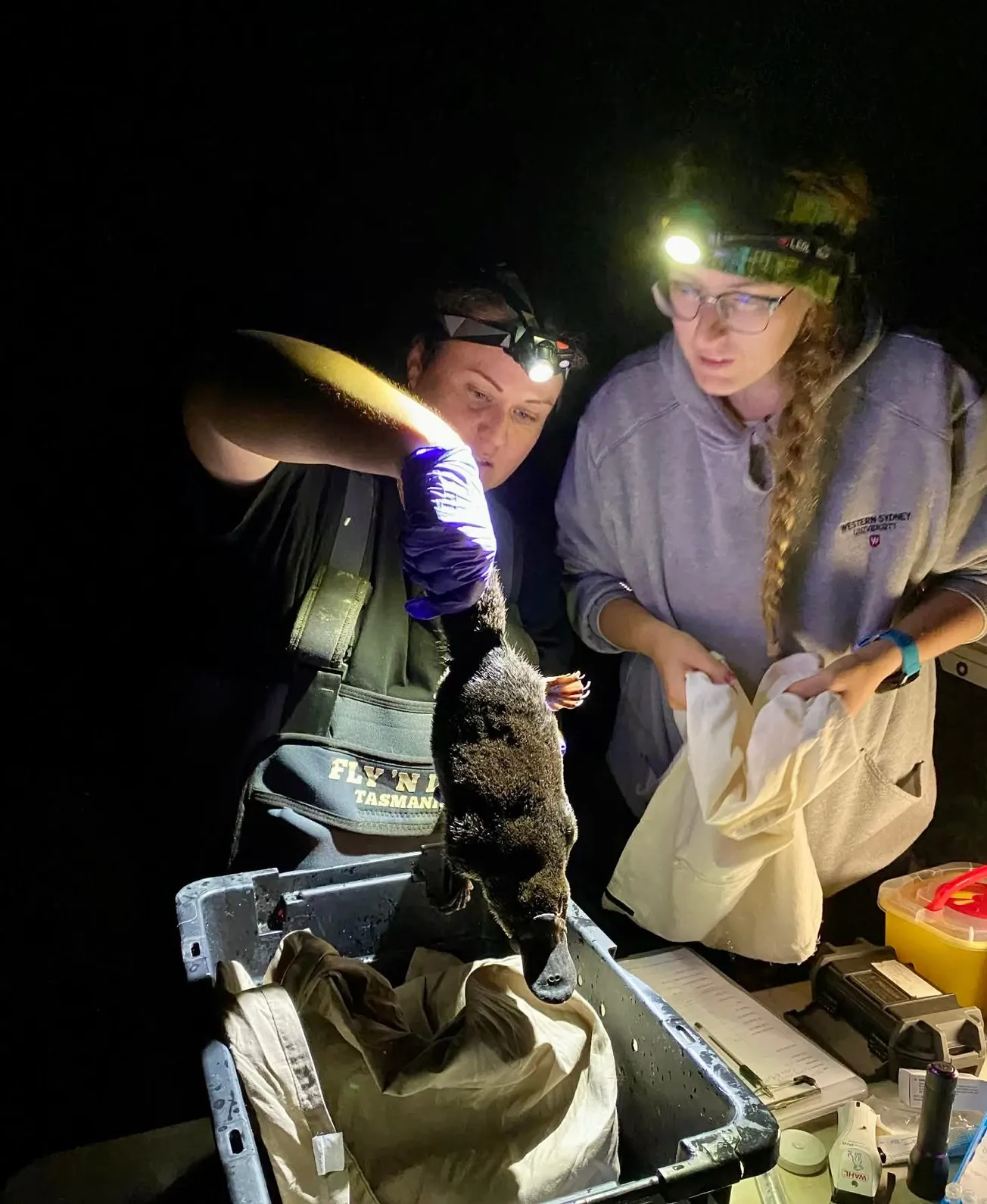
So far, 22 private landholders in platypus hotspots in Kurrajong and Cattai have joined the project, with funded works already underway. Participants receive expert support, funded labour and materials to restore their riverbanks. The scientific team, led by Dr Michelle Ryan, successfully trapped healthy female platypus in Little Island Creek and Little Wheeny Creek in late 2025. The landowners even got the chance to name the new little ladies, June and Alexandra.
“The diversity of habitat restoration potential on our landholder’s properties is amazing from near pristine bushland with minimal work required, to extreme weed pressure from bamboo, cat’s claw creeper, lantana, privet and the like.” says Project Officer, Belinda Mangroo.
How you can be involved
Round 2 Expressions of Interest are now open. Eligible landholders on select creeks in Kurrajong and Cattai can apply for funded restoration works. Visit the online map to see if your property is near one of the hotspots at https://rb.gy/x0lnx7
To request an information pack, contact the project team at sustainability@westernsydney.edu.au. Expressions of Interest close on Monday, 16 February 2026.
Even if you’re not eligible to apply, knowing that these sensitive creatures are surviving in our landscape makes us all appreciate how important it is to do everything we can to protect their environment. If you would like to be involved in local hands-on conservation activities check out Hawkesbury Environment Network to keep in the loop with current initiatives.
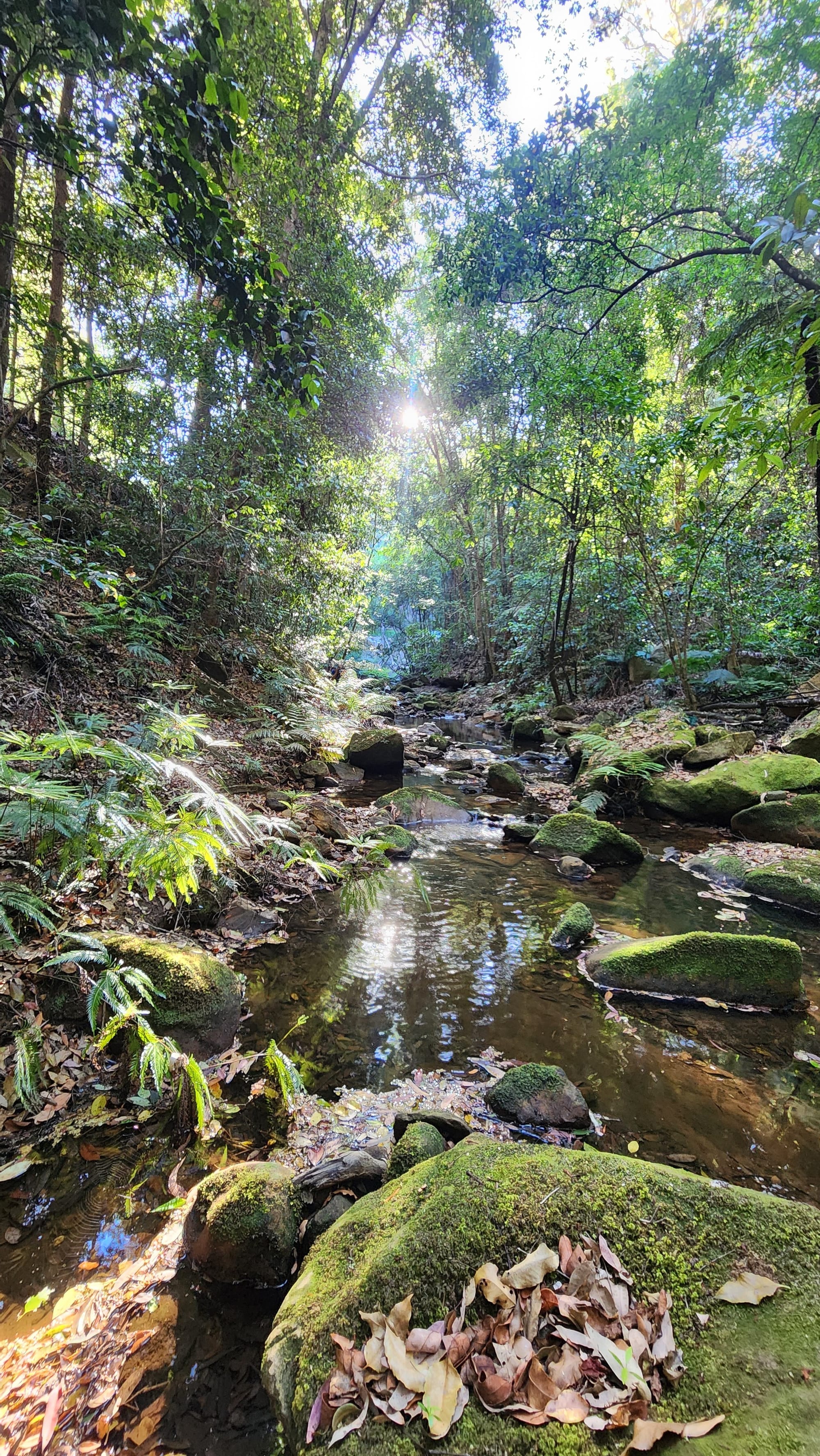
Little Island Creek platypus habitat (Photo: Belinda Mangroo)