Table of Contents
The Hawkesbury is known for its fertile floodplains, productive farms and extraordinary natural beauty. But beneath the surface, a quieter battle is underway the fight against invasive weeds threatening our river systems, bushland and agricultural land. This invasion has been exacerbated by fire and flood disasters.
Leading that charge is the Western Sydney Weeds Authority (WSWA), the regional body responsible for coordinating weed management across the Hawkesbury, Blacktown, Penrith and The Hills local government areas.
Originally established in 1948 as the Hawkesbury River County Council to combat water hyacinth choking the river, the Authority has evolved to meet modern biosecurity challenges. Now operating under its updated name, Western Sydney Weeds Authority, the organisation works under the Biosecurity Act 2015 to detect, contain and manage high-risk invasive plant species.
Why Weed Control Matters
Invasive weeds are more than just an eyesore. They smother waterways and reduce oxygen levels for fish, displace native vegetation and wildlife habitat, reduce agricultural productivity, increase fire risk and damage riverbanks and infrastructure.
Under NSW biosecurity law, all landholders share responsibility for managing priority weeds on their properties. WSWA inspectors work collaboratively with residents, farmers and land managers to identify infestations early and provide practical advice on control measures.
The Top Three Weed Threats in the Hawkesbury
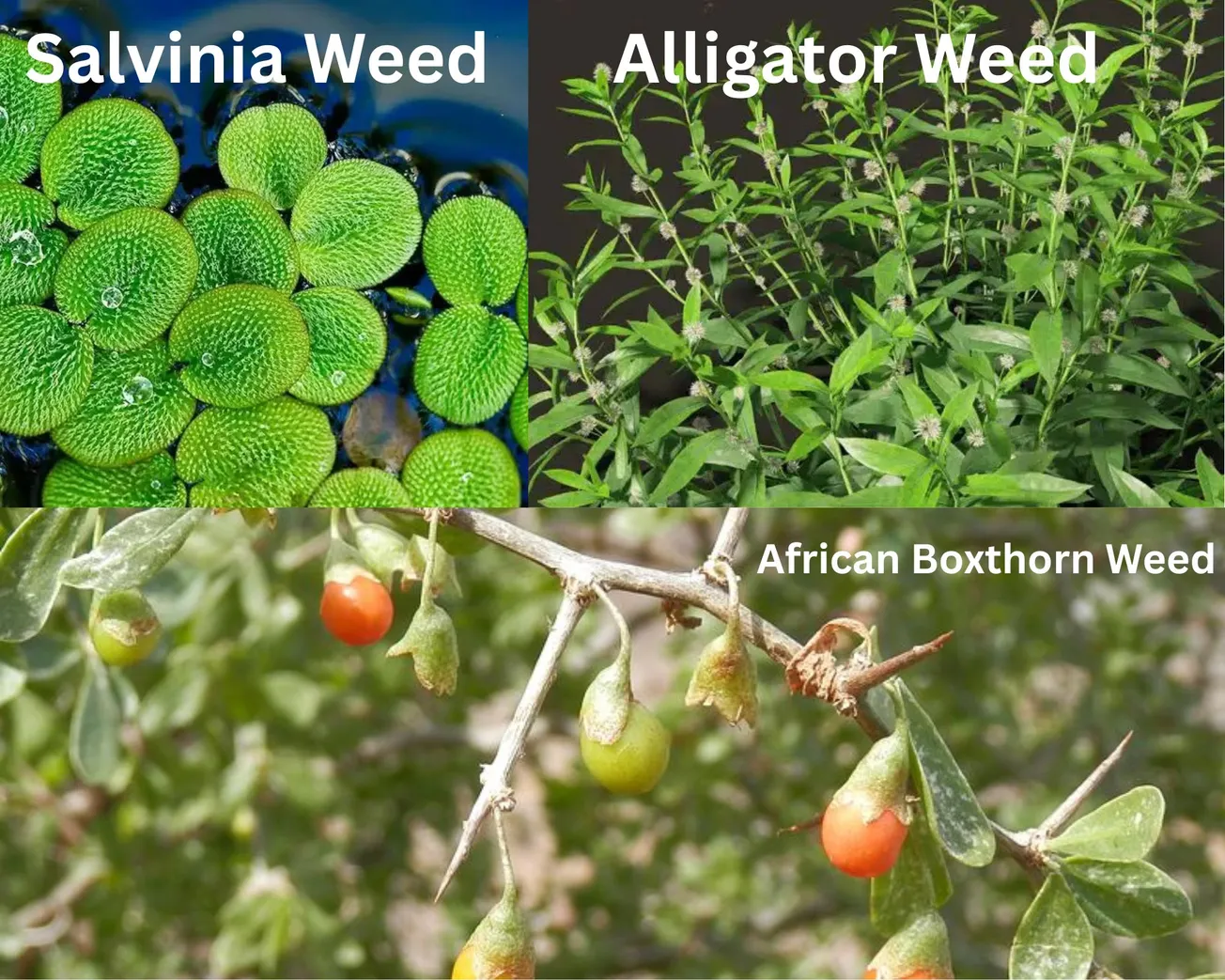
While dozens of invasive species are monitored across the region, three remain particularly concerning for the Hawkesbury:
1. Salvinia (Salvinia molesta)
Often called “water fern,” salvinia is a fast-spreading aquatic weed that forms thick mats across waterways. It blocks sunlight, depletes oxygen and can quickly choke dams, creeks and river systems. Given the Hawkesbury-Nepean River’s central role in our environment and agriculture, early detection is critical.
2. Alligator Weed (Alternanthera philoxeroides)
This aggressive weed invades both land and water. It forms dense growth that can overrun riverbanks, irrigation channels and pasture. In agricultural areas, it can severely reduce crop yields and is notoriously difficult to eradicate once established.
3. African Boxthorn (Lycium ferocissimum)
Common along fence lines and paddocks, African boxthorn forms dense, thorny thickets that restrict livestock movement and harbour pest animals. It outcompetes native plants and can spread rapidly if not controlled.
A Shared Responsibility
The Authority conducts proactive property inspections and community education programs across the region. The focus is not on punishment, but prevention — ensuring new infestations are identified before they become widespread and costly to remove.
Residents can assist by learning to identify priority weeds, reporting suspicious plant growth, managing infestations early and avoiding the movement of contaminated soil or plant material.
In a region surrounded by national parks and defined by its river system, protecting the Hawkesbury’s landscape is not optional, it is essential.
Weed management may not always make headlines, but it plays a vital role in safeguarding local farms, biodiversity and waterways for future generations.
For more information or to report a priority weed, residents can contact the Western Sydney Weeds Authority directly on 4574 9600 or at 6 Walker Street, South Windsor.
Because protecting the Hawkesbury starts from the ground up.