Table of Contents
In NSW Parliament, during last week's Budget Estimates hearings where the Minister for Local Government was questioned about the competency of Hawkesbury Council, a phrase surfaced that many Hawkesbury residents may not have heard before a “Section 43 investigation.”
It sounds technical, but in local government it carries serious weight.
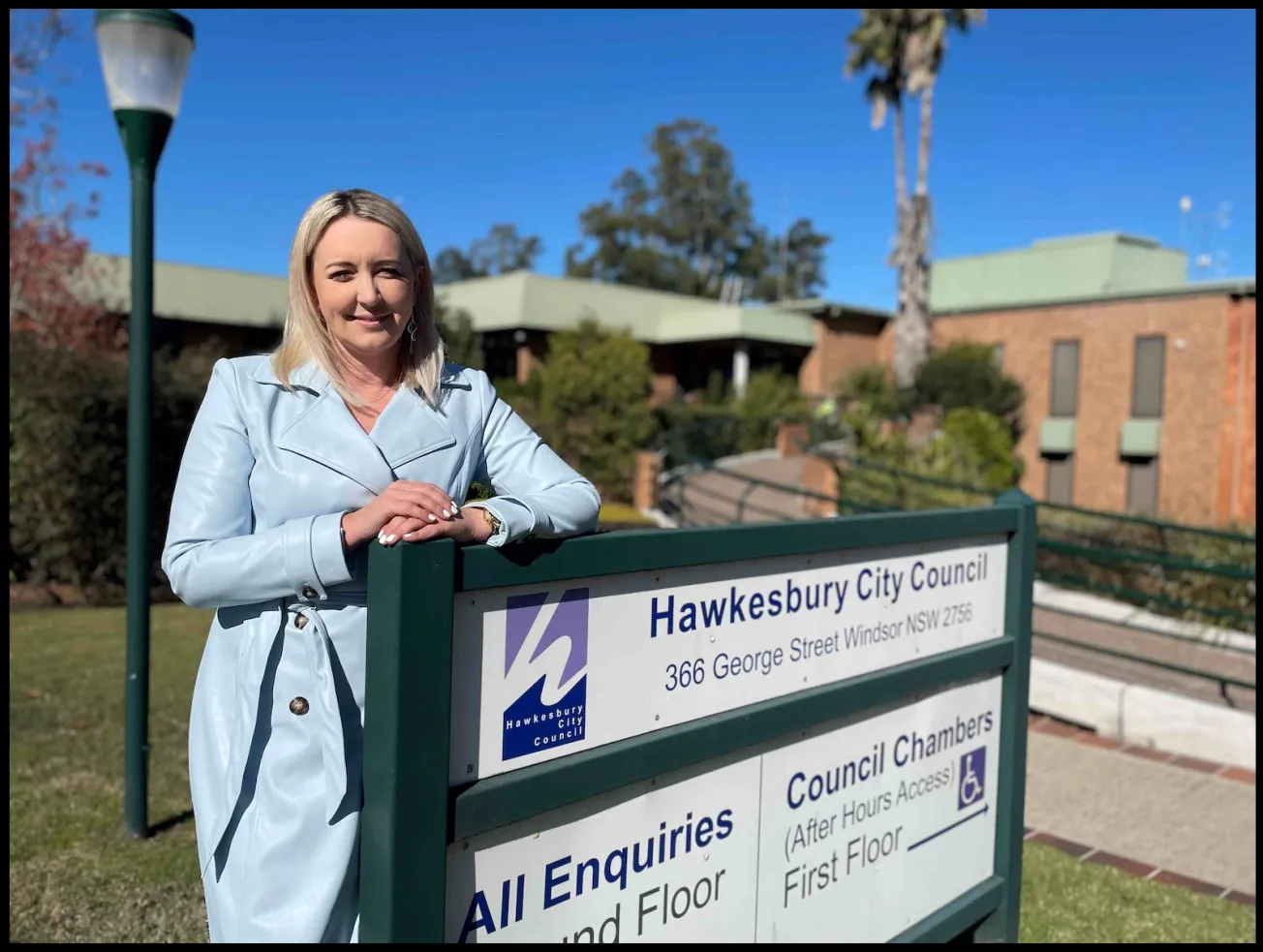
During questioning about Hawkesbury City Council, the Minister for Local Government told the hearing that the council has not been the subject of a Section 43 investigation, although it has been monitored for performance.
That comment raises an important question for the community: what exactly is a Section 43 investigation and when would the State Government use one?
The State’s Most Serious Oversight Tool
Under the Local Government Act 1993 (NSW), the Minister for Local Government has the power to appoint an independent investigator to examine how a council is operating. This is known as a Section 43 investigation.
It is effectively a formal inquiry into the governance and performance of a council. Investigators can review financial records, examine council decisions, and interview councillors and staff to determine whether the organisation is functioning properly.
The scope of an investigation can include:
- Financial management
- Infrastructure planning and delivery
- Conduct of councillors or senior staff
- Whether the council is properly carrying out its responsibilities to the community.
In practical terms, it is the strongest investigative step the State Government can take before removing a council from office.
What Happens If Problems Are Found?
After the investigation, a report is provided to the Minister. Depending on the findings, several outcomes are possible.
The Government may direct the council to implement reforms, issue performance improvement orders, or in serious circumstances suspend councillors.
In the most extreme cases, the State Government can dismiss the council entirely and appoint an administrator to run the local government area until new elections are held.
Because of those potential consequences, Section 43 investigations are generally used only when there are serious governance concerns or systemic failures within a council.
Why the Threshold Is So High
At the Budget Estimates hearing, the Minister emphasised that intervening in a council is not something governments do lightly.
Local Government is often described as the third tier of government, and the Minister noted that the preferred accountability mechanism is usually local elections, where voters ultimately decide whether councillors remain in office.
For that reason, Section 43 investigations are typically reserved for situations involving major governance breakdowns, financial collapse, corruption concerns or persistent failure to deliver essential services.
What It Means for the Hawkesbury
For now, the Minister made clear that Hawkesbury City Council has not reached that threshold.
However, the discussion of Section 43 during the hearing shows how seriously the issue of council performance can be taken at State level.
For Hawkesbury residents, it highlights an important point: while councils operate independently, there are mechanisms in place if governance problems become severe enough to require state intervention.
Until that point, however, the responsibility for shaping the future direction of Local Government remains largely in the hands of the community itself at election time says the Hon Ron Hoenig Minister for Local Government.