Every parent carries a quiet fear that begins the day their child is born. It is there when we lean over the cot to check our baby is still breathing, when a child slips out of sight for a few minutes, or when the house falls too silent. To love a child is to live with that vulnerability for life, and no wisdom can take it away.
Some would say a child who lives for a few years does not have a fraction of a life, but a complete story that was entirely filled with being cherished. Can that ever be a comfort? Even when a child is surrounded by a parent's devotion, losing them remains an absolute tragedy that no words can soften.
If that is true, then a child’s life must be made to feel like an entire universe. Within that brief time, they should know nothing but unconditional love. They should never be made to face the coldness, heartbreaks, or heavy weights of the wider world.
For families living with an ultra-rare and life-limiting disease, however, love is often forced to coexist with something far harsher: the knowledge that their child's clock may be ticking down, paired with the agonising reality that this condition does not take them instantly, and that there may be no equal access to the treatment options available to other families.
This is a disease that imposes a long, exhausting, and deeply expensive battle over months and years, as parents watch neurological function decline while searching desperately for treatment, specialist care, and anything that might preserve their child’s quality of life.
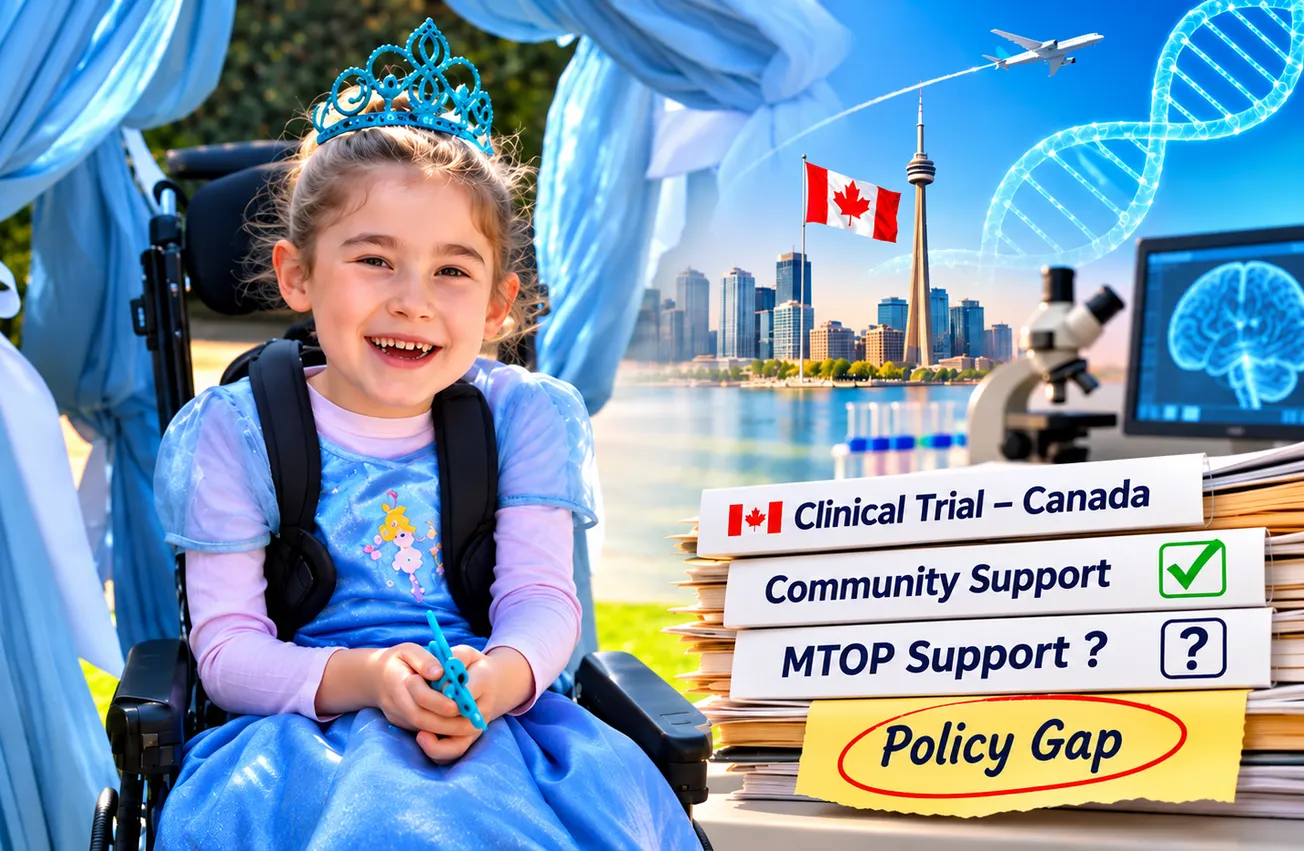
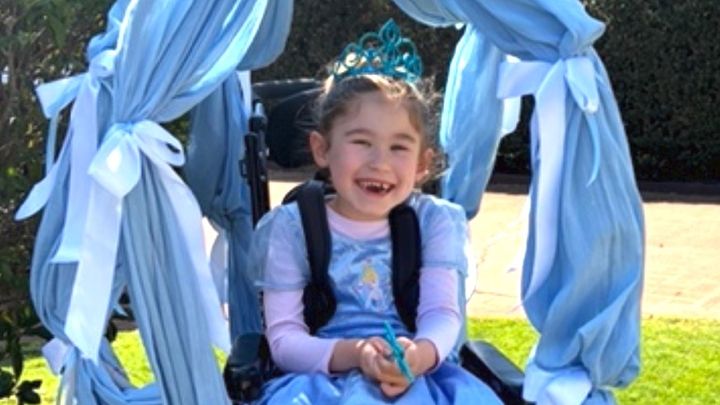
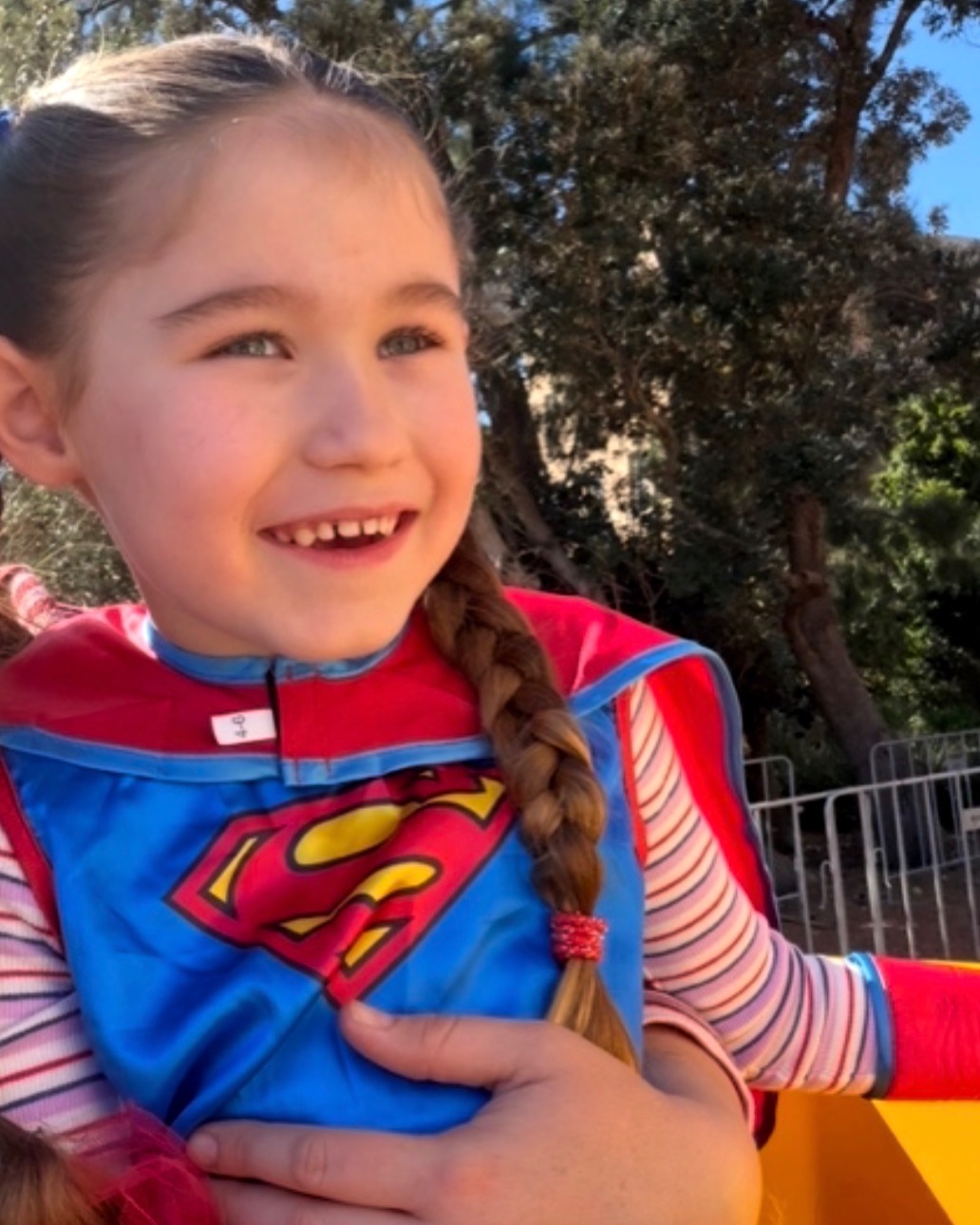
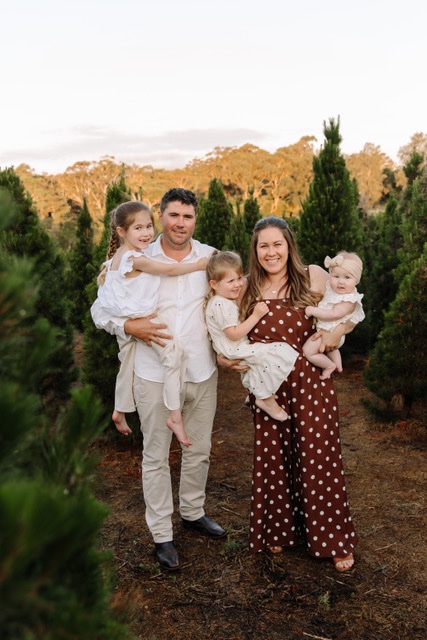
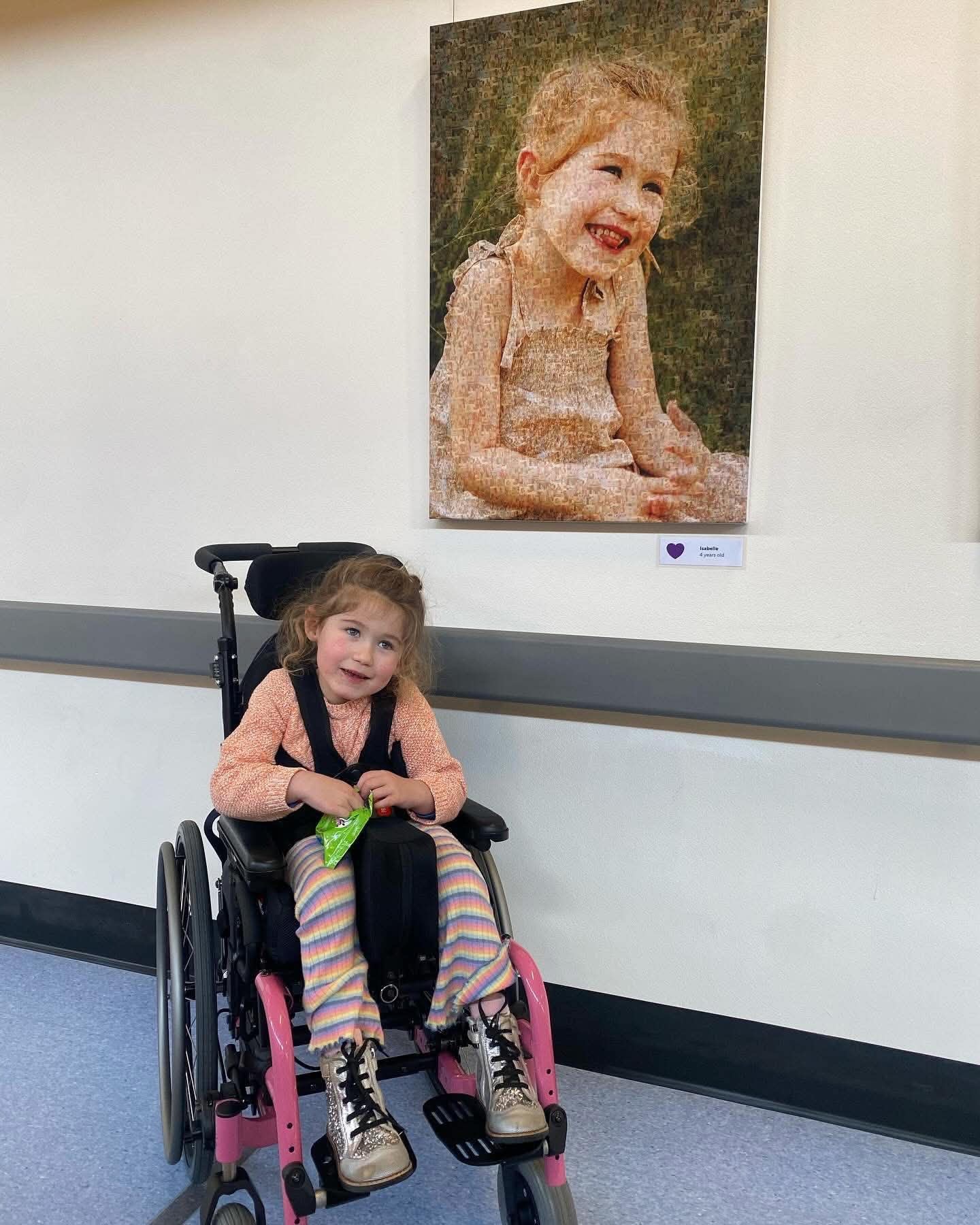
A local family in the Hawkesbury is now facing exactly that battle. Their young child has Vanishing White Matter disease, an aggressive and terminal neurological condition that progressively damages the brain’s white matter. The condition is so extraordinarily rare that there are fewer than 300 documented cases worldwide and there is no approved cure.
But the child has now been accepted into a clinical trial in Canada, offering the family a rare source of hope. Taking part, however, means relocating overseas for an extended period, leaving behind their support network and facing the prospect that neither parent will be able to work while their child undergoes intensive medical monitoring.
And that is where the rest of us, community and government alike, have a role. Our kind words and our feelings of empathy cannot change the diagnosis. But our financial support can fight for every possible day, every possible treatment, and every possible moment of childhood, giving this family the tangible means to pursue an opportunity that would otherwise be entirely beyond their reach.
Yet this is also the point where compassion runs into bureaucracy, and where I find myself asking a much simpler question: what if it were my child?
What should any parent be able to expect from our governments and public agencies in circumstances like these? Have we created a system that is genuinely fair and equitable, including for families confronting the rarest of diseases? Or are there still a small number of families who, through no fault of their own, fall through the cracks because their circumstances do not fit neatly within the rules we have created?
Australia has programs designed to help seriously ill patients access treatment overseas. It also has a National Strategic Action Plan for Rare Diseases that recognises the unique problems faced by people with conditions so uncommon that conventional treatment pathways may not exist at all. But when the only realistic hope available to a child is participation in an overseas clinical trial, the system suddenly stops making sense.
The Medical Treatment Overseas Program can assist Australians seeking life-saving treatment that is unavailable here, but its rules exclude experimental treatment and overseas clinical trials. For an ultra-rare disease, those rules can create a devastating contradiction.
If approved treatment is not available anywhere in the world, then the only treatment available may still be experimental. If the only pathway to that treatment is a clinical trial, then the very reason a family needs government help can also become the reason they are denied it.
The Action Plan itself recognises that rare disease treatments can be unaffordable, that conventional reimbursement systems can struggle when patient numbers are extremely small, and that alternative approaches to funding may be necessary. It also recognises that participation in a clinical trial may be the only way some people with rare diseases can access treatment.
What the strategy does not provide is a clear financial safety net for the family standing at the intersection of all those problems at once. That gap now warrants urgent attention.
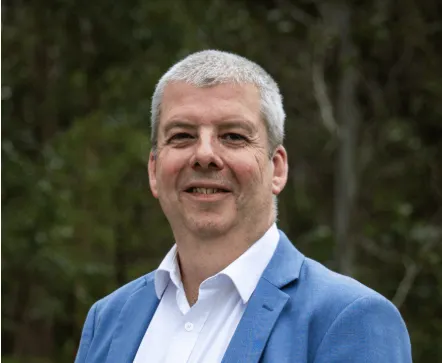
As a Hawkesbury resident, I have requested the Federal Member for Macquarie Susan Templeman to assist the family if ministerial intervention is possible and to urge the Commonwealth to consider an exceptional funding pathway where existing programs do not fit a case like this.
NSW Health Minister Ryan Park also has a longstanding connection to Vanishing White Matter disease. In Parliament, he previously highlighted VWM research at the Illawarra Health and Medical Research Institute and praised the Great Illawarra Walk, which raised around $120,000 for research into the condition.
I have therefore written to Minister Park to examine this case. Years ago, the challenge Minister Park spoke about was raising money to develop a treatment for VWM. Today, research has progressed to the point where an Australian child has been accepted into an overseas clinical trial.
The challenge now is to help that child reach it.
Our political leaders now have the chance to show that empathy is not only something expressed after tragedy, but something that can be built into policy for families the system was never designed to anticipate.
Until that happens, the bridge between Isabelle and Canada must be built by the rest of us. Every contribution brings this Hawkesbury family a step closer, and gives Isabelle every possible chance.
A little help,
a lot of hope
for Isabelle!
Vanishing White Matter disease: support and research
The Australian Leukodystrophy Clinical and Research Program's Vanishing White Matter Disease fact sheet identifies a number of organisations supporting families, research and clinical investigation into VWM.
Support and family resources
Visit Saving Chloe Saxby →
Visit the VWM Consortium →
Visit the VWM Foundation →
Visit VWM Families Foundation →
Visit Leukodystrophy Australia →
Visit Mission Massimo →
Visit United Leukodystrophy Foundation →
Visit Hunter's Hope →
Research and clinical trials
Visit LeukoNet →
Search VWM clinical trials →
Read the original VWM Fact Sheet →
Resource links are provided for information only. Clinical-trial status and treatment information can change and should be confirmed with the relevant medical team or research organisation.