OPINION
By Jeff Ferrara
There’s a certain comfort in remembering the Hawkesbury as it once was.
For many locals, the ideal version of the region is frozen in time: the streets they grew up on, the shopfronts they remember, the open spaces, the routines, the familiar faces, and the feeling that life moved at a different pace.
But this is not an abstract debate. It is there in the arguments about the new Richmond Bridge and bypass, in the pressure for more housing, in the need for local jobs, and in the question of what our town centres should become. Every one of those debates comes back to the same issue: are we trying to preserve the Hawkesbury, or are we preventing it from becoming what future generations need?
I understand the pull of the past, because I have it too.
When I was young, I attended St Monica’s Primary School with my brothers. Come home time, my mum would leave work in Mulgrave to pick us up, and we would head into Richmond. First, we’d line up at the post office to drop off the day’s orders, and then we’d join another queue at the bank. I used to think I was helping, but looking back, I was probably getting in the way.
While we waited, I remember playing in the row of payphones in front of the post office before nagging my mum for an ice block from the fast food shop near the bank. I remember the sounds of the place, the smells, the people, and all that 1990s-era technology that seemed completely ordinary at the time. Those memories matter to me.
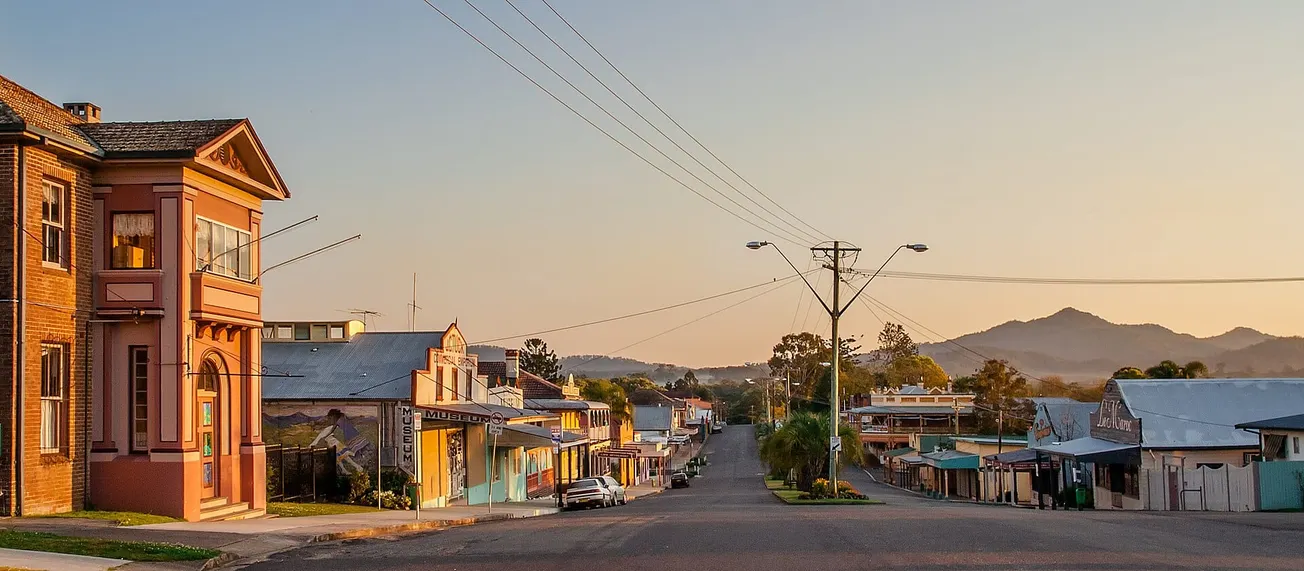
But when I walk down Richmond’s main street today, what strikes me is not how much has changed - it is how much has not.
Yes, the post office has moved. The bank branches have closed, shifted, or disappeared altogether. Shops have changed hands. Businesses have come and gone. A few trees now stand where parking spaces once were. The signs are different, the technology is different, and the routines of daily life have changed. Yet the street itself still feels much the same.
At first, that can feel comforting. It can feel like preservation. It can feel like the town has held onto something important. But I am not sure that is entirely a good thing.
A place should carry its history, but it should not be trapped by it. The memories I have of Richmond do not depend on the post office being in the same spot, the bank branches still being open, or the payphones still standing out the front. Those memories are mine. They stay with me regardless of how the street changes.
That is the point we often miss. We become attached to trivial things, not because they are truly essential, but because they are tied to a time in our lives that mattered to us. A shopfront, a bank branch, a parking space, a row of payphones, an ice block after school. They become symbols of something bigger.
But our identity should not be so fragile that it depends on our surroundings staying exactly the same.
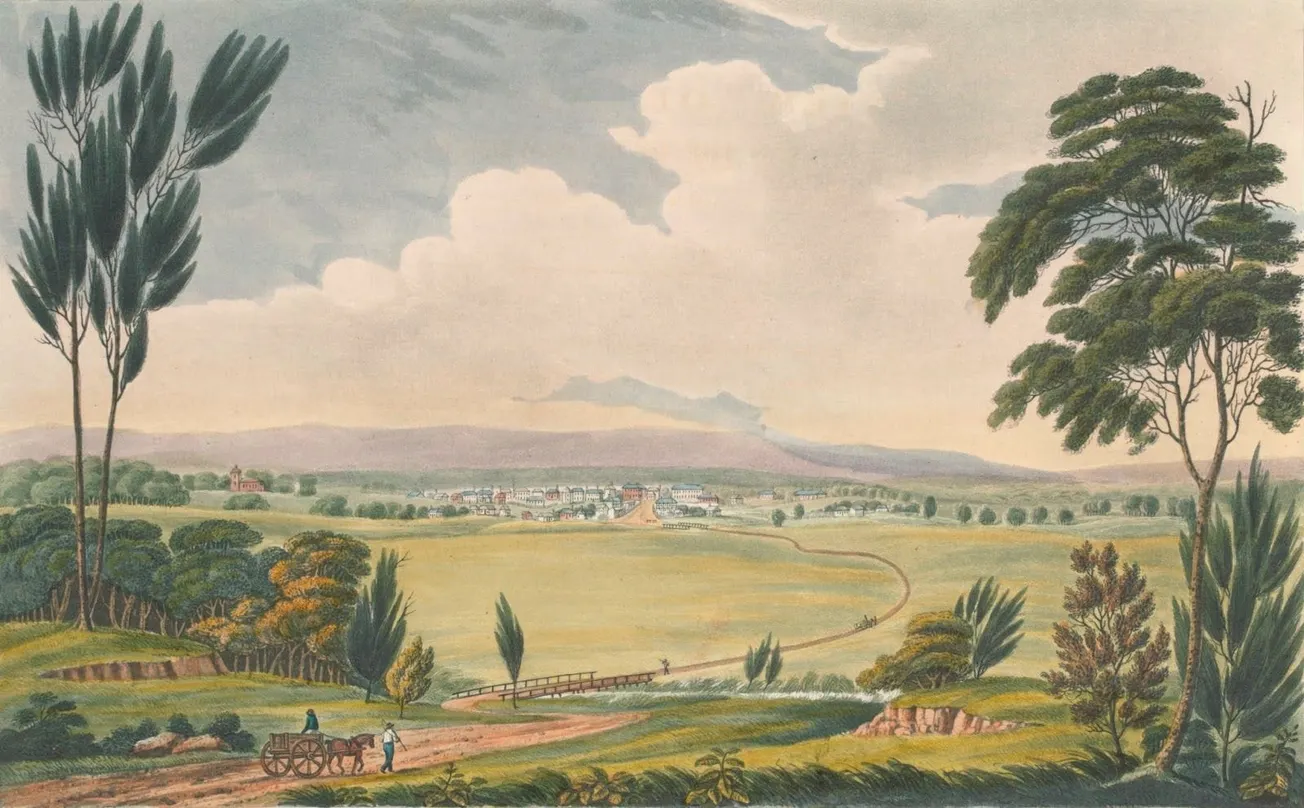
The Hawkesbury has always changed. Every part of the region that people now defend as “the way it should be” was, at some point, a change from what came before. The homes we live in replaced bushland. The roads we drive on replaced dirt tracks. The services we rely on, from electricity to water to telecommunications, exist because earlier generations accepted progress.
The irony is that the same progress that made the Hawkesbury liveable, connected and prosperous is now often treated as a threat.
Of course, not all change is good. Poor planning, overdevelopment, bland design and short-term thinking can damage the character of a place. Communities should absolutely question what is proposed. They should expect good planning, proper infrastructure, attractive streets, enough parking, better public spaces and decisions that respect local history.
But questioning change is different from opposing it by default. Too often, the argument seems to start and end with “that’s not how it used to be”. That is not a plan. It is nostalgia dressed up as policy, and nostalgia, while powerful, cannot build a future.
Local leadership has a responsibility to protect what makes the Hawkesbury special, but it also has a responsibility to help the region move forward. Councils are not elected to keep a community frozen in time. They are there to guide change, shape it, improve it, and make sure it serves the people who live here now, as well as those who will live here in the decades ahead.
That means having planning rules that do more than restrict, delay and say no.
Good planning should promote the things a living community actually needs: housing for families, shops that bring life and convenience to our streets, community facilities that give people places to gather, and workplaces that allow people to build a future close to home. Rules matter. Standards matter. Character matters. But if the planning system only protects what already exists and does not help create what comes next, then it is failing future generations.
We need to stop treating growth as something to be feared and start asking how it can be done well. More homes. Better streets. More space for local businesses. Better local jobs. More places for our children and grandchildren to live, work, gather and remember.
The question should not be whether the Hawkesbury changes. It will.
The real question is whether we shape that change with confidence, or resist it until it happens without us.
That is where Richmond’s main street should make us think. If it feels almost the same as it did decades ago, we should not automatically treat that as success. We should ask what opportunities have been missed. What could have been improved? What public spaces could have been made better? How many new jobs could have been created if we made space for business? How many local families could have remained in the Hawkesbury if they weren't priced out through lack of supply?
The streets will still carry our memories, even if the streetscape changes. The past will not disappear because a place improves. What matters is whether we are willing to let the Hawkesbury keep becoming something worth remembering.
We can value the past without living inside it. We can love the Hawkesbury we remember without demanding that it stay exactly the same. We can hold onto our memories without turning them into roadblocks.
The places we remember from childhood were not created by resisting change.
They were created by change.
And if we want our children and grandchildren to have places worth remembering, we need to build them too.