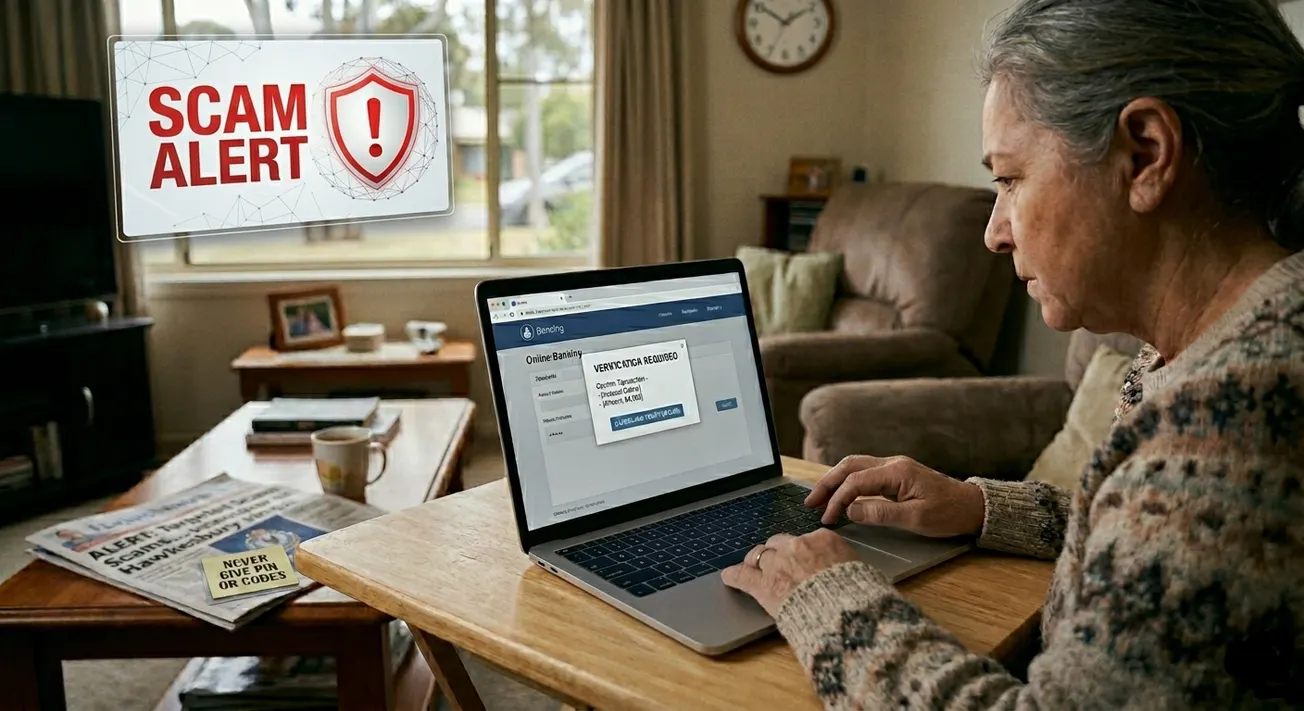
Hawkesbury residents are being urged to remain vigilant as scammers increasingly use stolen personal information to make their fraudulent approaches appear convincing and legitimate.
Following several large-scale data breaches affecting millions of Australians, criminals now have access to names, phone numbers, email addresses, and even residential details. This wealth of data allows them to craft highly targeted scams that can deceive even the most cautious members of the community.
Familiarity Does Not Equal Legitimacy
What makes these modern scams particularly dangerous is their realism. A fraudulent phone call might reference your specific bank, a recent purchase, or your home address. Similarly, a text message may address you by name or appear in the same thread as legitimate messages from trusted organisations. Experts warn: just because a caller knows something about you, it does not mean they are who they claim to be.
The message for residents is simple: never trust a contact solely based on the personal information they provide.
Verify Independently
Residents are encouraged to "pause" and independently verify any unexpected communication. This means contacting an organisation directly using a known, trusted phone number or website—never use the contact details provided in a suspicious message or call.
In a tight-knit community like the Hawkesbury, a strong sense of trust is a source of pride; however, scammers often exploit this by creating a false sense of urgency or fear to pressure people into acting quickly.
Common Tactics to Watch For:
- Impersonation: Pretending to be from banks, government agencies (like the ATO), or delivery services.
- False Alarms: Claiming there is "suspicious activity" or an unpaid fine on your account.
- Urgency: Requesting immediate payments or sensitive "one-time" codes.
- Phishing: Sending links to sophisticated fake websites designed to harvest your login credentials.
Stop, Check, and Protect
The best defence is a proactive one. Residents should be particularly wary of unexpected requests for passwords, bank details, or remote access to their computers.
Taking a moment to verify a claim could prevent significant financial loss and emotional stress. Importantly, there is no shame in being targeted—scams are becoming incredibly advanced, and anyone can be caught off guard. By sharing experiences and talking openly about these threats, we can help protect the wider Hawkesbury community.