Table of Contents
Long before chocolate eggs and long weekends, Easter in the Hawkesbury was something far simpler and, in many ways, far more central to daily life.
In one of Australia’s oldest farming regions, Easter has always been more than a date on the calendar. It has been a moment of faith, of gathering, and increasingly, of community.
Where Easter began
Easter is one of the oldest celebrations in the Christian calendar, marking the crucifixion and resurrection of Jesus Christ, an event that sits at the heart of the faith.
By the time the First Fleet arrived in 1788, Easter was already centuries old, carried to the colony as part of British religious tradition.
And in the Hawkesbury, settled by colonist from 1794 and crucial to feeding the struggling settlement, those traditions took root quickly.
Early settlers brought with them not just crops and livestock, but a calendar shaped by the church.
⛪ Faith on the frontier
In the Hawkesbury, Easter was first and foremost about church.
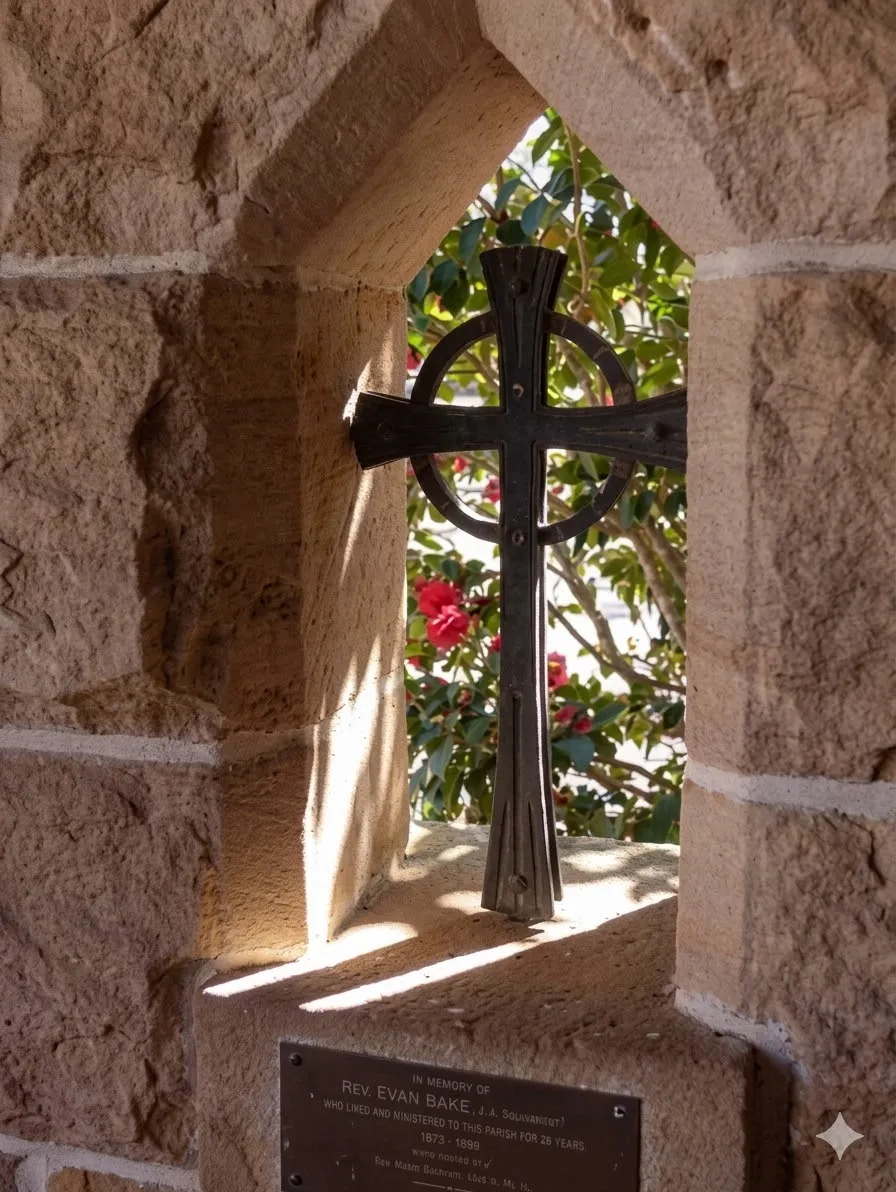
At St Matthew’s Anglican Church, consecrated in 1822 and designed by Francis Greenway, Good Friday and Easter Sunday services were among the most significant events of the year. Settlers travelled by horseback, boat and cart to attend, often from considerable distances.
Further upriver, at Ebenezer Church, Australia’s oldest surviving church, established in 1809, Easter gatherings brought together farming families from across the district. The small sandstone building became not just a place of worship, but a focal point for community life.
Other early churches across the district, including St Peter’s at Richmond and St Thomas’ at Sackville Reach, played similar roles. In an era before modern transport or communication, these churches were where news was shared, connections renewed, and community reinforced.
In districts like the Hawkesbury, where isolation was common and travel difficult, these services were not just spiritual, they were social anchors as they remain today.
The rise of the Easter holiday
By the late 19th century, Easter in Australia began to shift.
It was no longer just about church, it was becoming one of the colony’s biggest public holidays.
Newspapers of the time describe huge Easter Monday crowds leaving Sydney for outings and excursions, with trains and ferries packed with people heading out for the day.
The Hawkesbury, with its river, farms and open space, became a natural destination.
Even earlier accounts note that public holidays often brought steamers up the Hawkesbury River, carrying visitors seeking fresh air and scenery.
Easter, in other words, helped turn the district into one of Sydney’s earliest leisure escapes, something it remains today.

Picnics, trips and tradition
By the early 1900s, Easter in the Hawkesbury had taken on a familiar rhythm. Church services in the morning, family gatherings with river trips and picnics and community events and celebrations.
Military encampments were even held over Easter in places like Richmond, showing how the long weekend had become embedded in public life.
For farming families, it was also one of the few reliable breaks in the working year, a pause between seasons, marked by both reflection and relief.
🐑 The Easter Show connection
Easter in New South Wales also became tied to agriculture, something the Hawkesbury knows better than most.
The first agricultural show in the colony was held in Parramatta in 1823, eventually evolving into the Sydney Royal Easter Show and individual regional agricultural shows.
Its timing was no accident. Easter provided a natural moment for showcasing produce, celebrating rural life and bringing communities together. For Hawkesbury farmers, the link between Easter and agriculture wasn’t symbolic it was lived.
A region shaped by gathering
What stands out in the historical record is how consistent the pattern has been.
From early church services to packed trains and river steamers, Easter has always been about people coming together. In a region shaped by floods, distance and hard work, those moments mattered. They still do.
Today, Easter in the Hawkesbury might look different, backyard barbecues, local events, long weekends away. But the underlying themes haven’t changed. It is still a time of reflection, gathering and reconnection.
And like the early settlers who paused their work to attend church or gather by the river, the Hawkesbury still marks Easter in its own way, grounded in community, shaped by place.
Easter in the Hawkesbury didn’t start with chocolate or showbags. It began with prayer, grew into celebration, and became something uniquely local, a tradition that has evolved with the region, but never left it behind.