Table of Contents
By Sarah Thompson and Dannii Warner
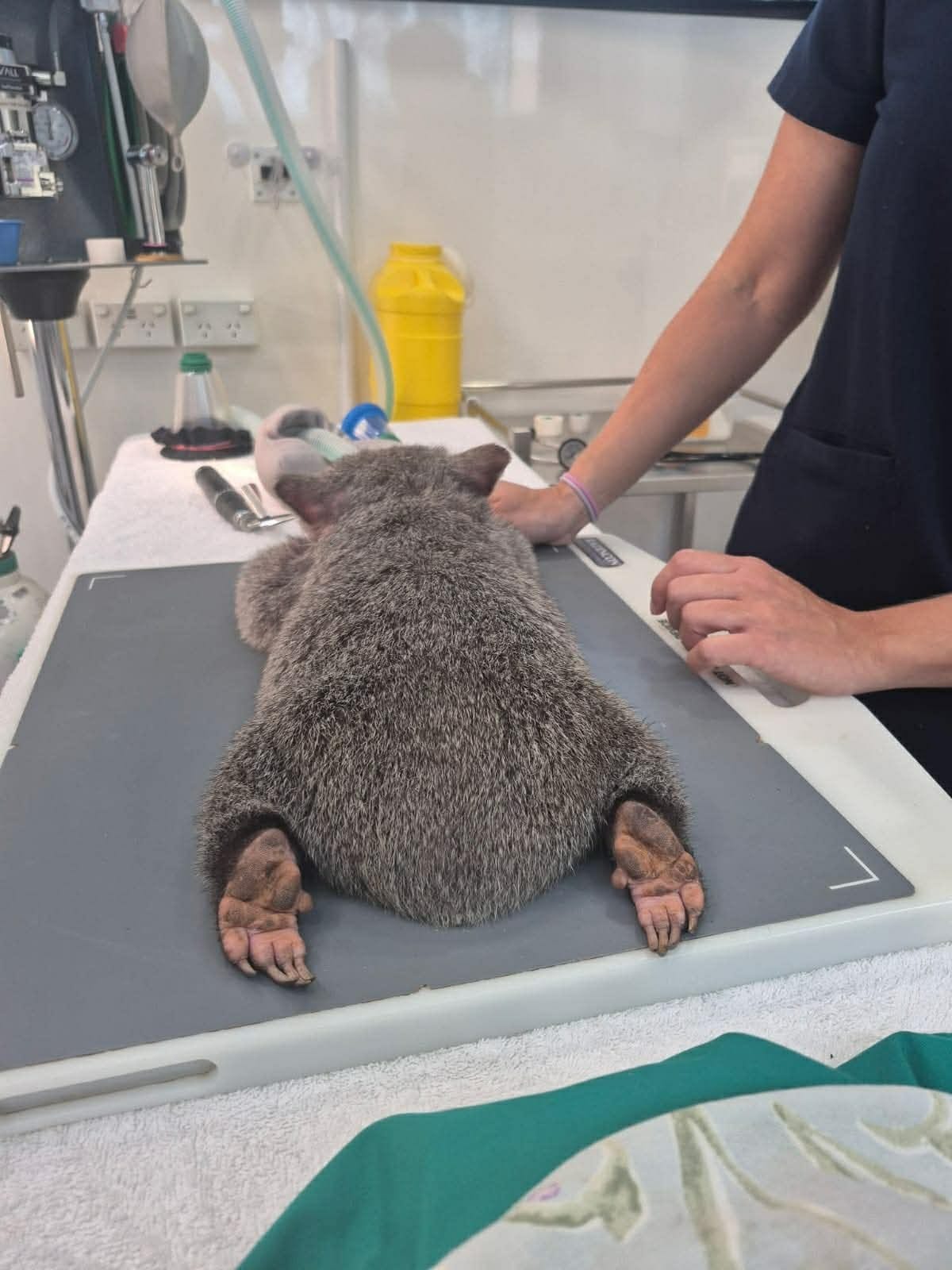
Secret Creek Sanctuary at Lithgow was the setting for a much-anticipated visit by Matilda, the worlds largest mobile veterinary hospital. Matilda is the flagship of Wildlife Recovery Australia, staffed by expert teams from Byron Bay Wildlife Sanctuary veterinary hospital. With the ability to travel to hotspots after natural disasters, the team provides emergency care for wildlife in need. Set up to cater exclusively for the needs of Australian wildlife, their patient list at Lithgow ranged from quolls to pythons and koalas.
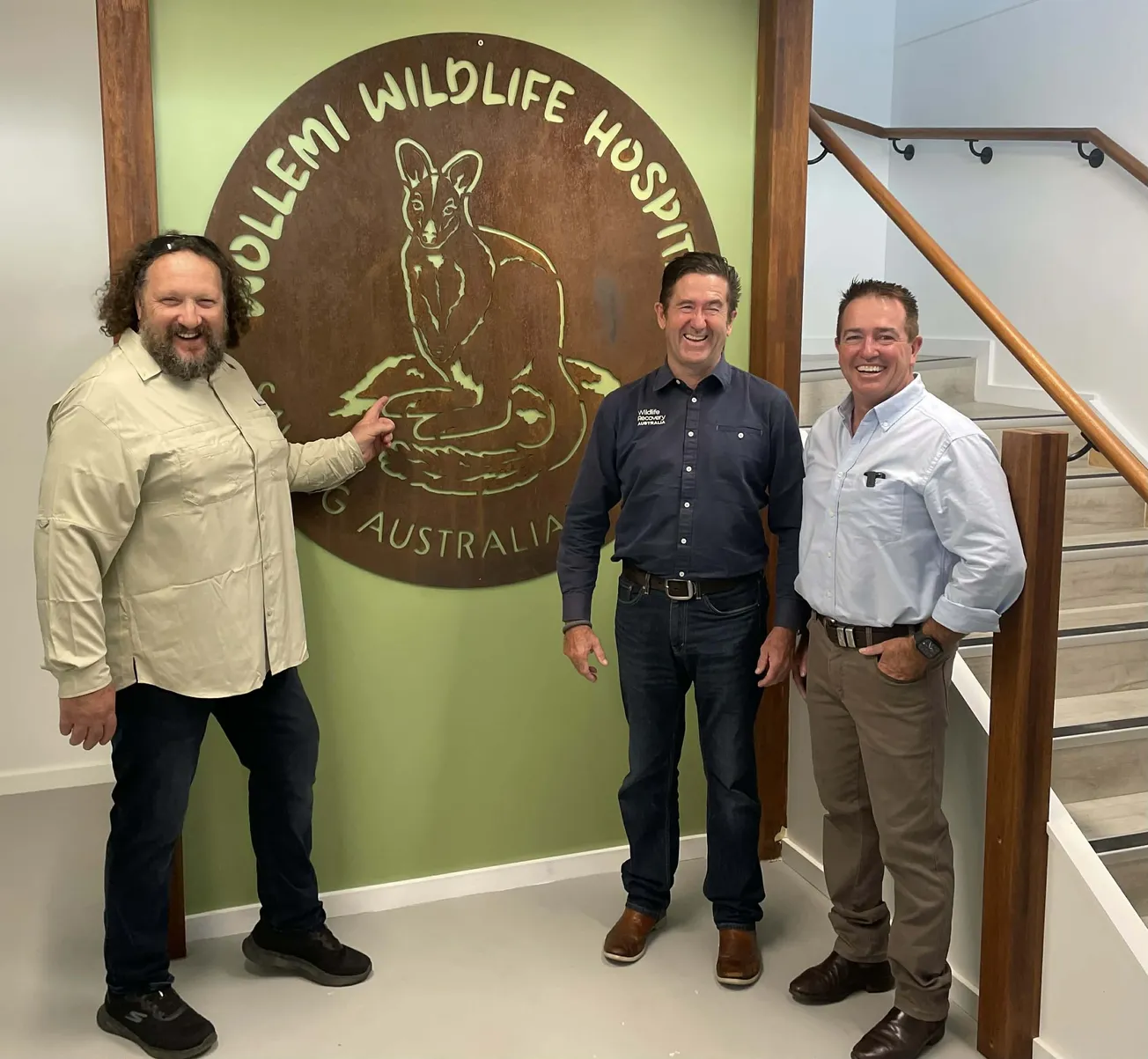
The Hawkesbury and Blue Mountains extend to six national parks, and volunteer wildlife carers are faced with a never-ending supply of animals needing help. Car accidents, attacks by dogs and cats, bushfires and floods take a heavy toll. Urgent cases need to be transported to either Taronga Zoo, Camden or Dubbo to receive specialist veterinary treatment when local clinics can’t keep up with the demand. During the 2019-20 fires, the lack of wildlife veterinary expertise, resources and support highlighted the need for a local wildlife hospital. A bushfire recovery grant established the construction of Wollemi Wildlife Hospital at Secret Creek. However, funding was not available to complete the project, so the clinic is not yet operational.
Despite wildlife being a national asset and a cornerstone of Australia’s biodiversity and tourism economy, there is no consistent national government funding model or coordinated emergency response capability. Veterinary clinics are often required to treat wildlife free of charge, placing additional strain on an already overstretched system. Dr Stephen Van Mil from Wildlife Recovery Australia is petitioning politicians in Canberra to mandate a legislative change in the upcoming budget to address this anomaly. Member for Bathurst, Paul Toole is a big supporter of this initiative and feels that “governments are too happy to sit back and let volunteers do all the work. It is time to take the blinkers off and put some funding out there”.
A dedicated regional hospital would dramatically improve outcomes for local wildlife with faster access to veterinary care, greater support for carers on the frontline, and better collaboration between rescue, veterinary expertise and rehabilitation. Our unique and iconic species deserve the dedicated lifeline that this centre of excellence would provide both for routine care and during natural disasters.
Trevor Evans, founder of Secret Creek Sanctuary, has warned that we need to make a decision now about whether we want Australian wildlife, or if we want dogs, cats and foxes, because it’s not working. We are losing large numbers of endangered species. Those that are close to extinction need a leg up and could be saved with captive breeding programs to boost numbers which could then allow them to be reintroduced into the wild. Secret Creek Sanctuary already runs breeding programs for the critically endangered mountain pygmy possum and eastern quolls which are now extinct in the wild on the Australian mainland.
Our federal government spends over $26 billion annually on subsides for industries that are likely to harm the environment, compared to the $1 billion allocated to conservation, effectively undermining environmental policies designed to protect species and landscapes. A change in mindset to redress this imbalance would send a powerful message to the world that we are serious about protecting our natural heritage. Dr Stephen Van Mil and Trevor Evans both share a transformative vison that is on the brink of becoming a reality. We need our governments to step up to bridge that gap.
Find out more about the work of and donate to Wildlife Recovery Australia and Wollemi Wildlife Hospital at Secret Creek Sanctuary through their websites:
www.wildliferecoveryaustralia.org and https://www.secretcreeksanctuary.com/