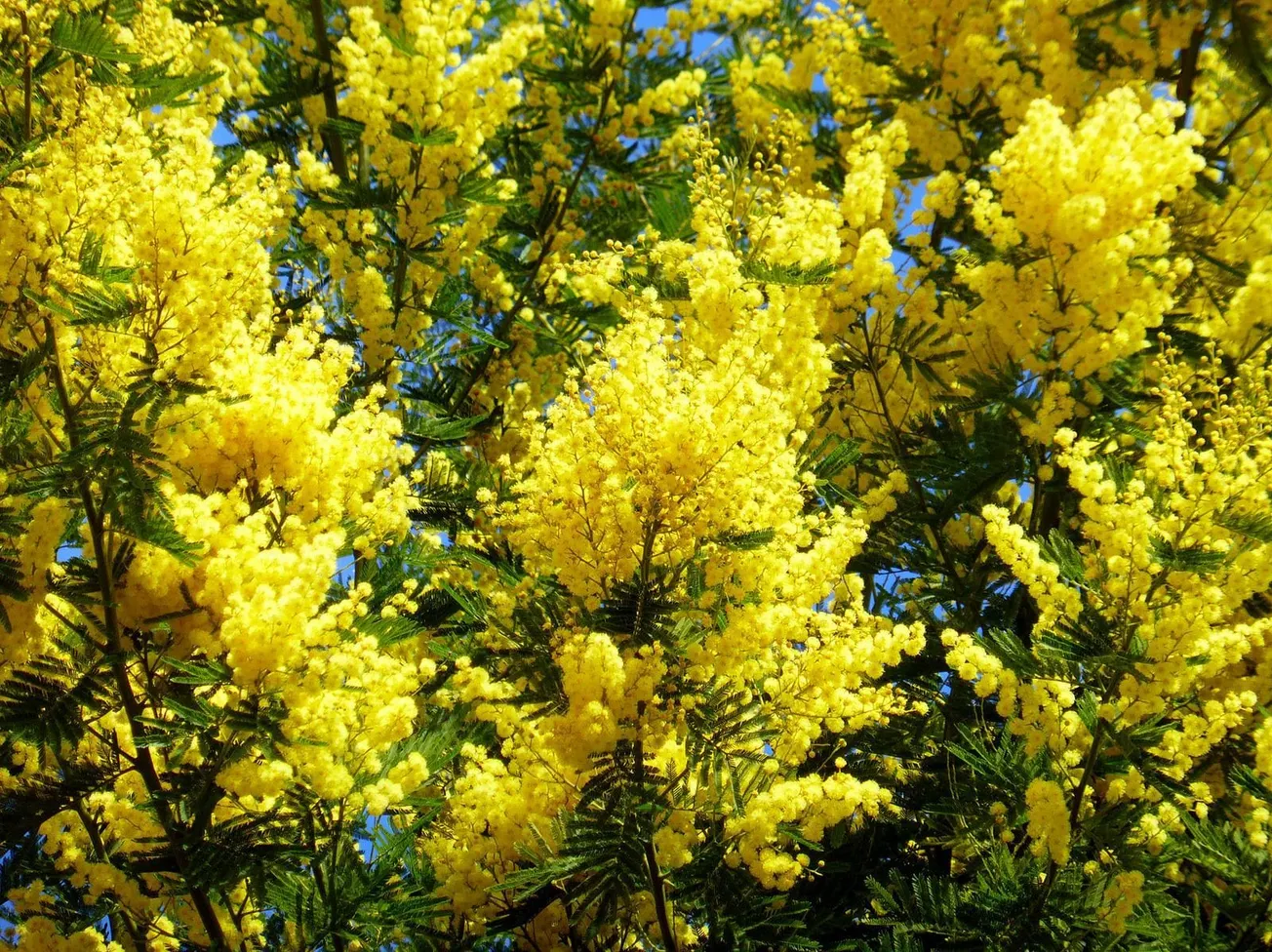
Australians are being encouraged to look beyond wattle’s familiar golden flowers this National Wattle Day and consider the plant’s enduring connections to Country, culture, food and the changing seasons.
National Wattle Day is celebrated on Tuesday, September 1, marking the beginning of spring and recognising one of the country’s most distinctive groups of native plants.
On Dharug Country, wattle forms part of a living landscape in which the flowering of plants can signal seasonal change and the movement of animals.
Contemporary Dharug language resources use the word wandanguli for wattle, although language, spelling and pronunciation can vary between communities and dialects.
Botanic Gardens of Sydney records that the Burramattagal people of the Dharug nation observed the flowering of Parramatta green wattle as adult and young eels returned from the ocean to estuarine waters.
The observation was part of a sophisticated seasonal calendar connecting the behaviour of plants and animals with harvesting, gatherings and responsibilities to care for Country.
Across Aboriginal Australia, different wattle species supplied food, medicine and materials for everyday life.
Seeds from selected edible species could be collected and carefully processed, while wood was used to make tools and implements. Gum could be eaten or used as an adhesive, and the bark and other parts of particular species were used for fibre, dyes and medicinal preparations.
These practices varied between Nations and species, and not every wattle or its seeds are suitable for consumption.
Wiradjuri woman Fiona Harrison, founder of Chocolate On Purpose, has written about the importance of garal, the Wiradjuri word for wattle and the way traditional plant knowledge connects people with Country and memory.
Ms Harrison said wattleseed’s distinctive nutty and coffee-like flavour could evoke powerful personal memories while providing a way to share stories about Aboriginal culture and native ingredients.
She recalled a customer becoming emotional after tasting wattleseed chocolate because its flavour reminded her of the hickory wood her grandfather used at family barbecues.
Ms Harrison said the encounter demonstrated how taste and scent could connect people with family, place and the past.
Her work also highlights the knowledge Aboriginal women carry about native plants and the importance of preserving and passing that knowledge to future generations.
While garal is a Wiradjuri word and should not be presented as Dharug language, the story illustrates the many different cultural relationships Aboriginal Nations have developed with wattle across the continent.
In the Hawkesbury, predominantly on Dharug Country and with Darkinjung Country in the north, residents can celebrate National Wattle Day by learning about locally occurring species and planting wattles suited to their soil and environment.
The Hawkesbury Community Nursery will mark the occasion by offering 50 per cent off all wattle plants from 9am to noon on Saturday, September 5.
Seventeen wattle species will be available, with nursery staff able to help residents select plants suited to their gardens.
Wattles provide food and habitat for birds, insects, possums, gliders and other native animals. Their ability to grow in a range of soils also makes them an important part of local revegetation and habitat restoration projects.
The Hawkesbury Community Nursery is at 10 Mulgrave Road, Mulgrave, next to the Hawkesbury Companion Animal Shelter.
National Wattle Day offers an opportunity not only to celebrate a national floral symbol, but to recognise wattle as part of much older systems of Aboriginal ecological knowledge.
When its flowers appear each spring, they can be understood as more than a splash of gold across the landscape. They are also seasonal messengers and a reminder of the continuing cultural relationships between Aboriginal people, plants, animals and Country.