The NSW Government has thrown its support behind key recommendations of the parliamentary inquiry into rural housing and second dwellings, signalling that long-awaited reforms championed by Hawkesbury residents and planning experts are now firmly on the State's agenda.
In its formal response to the NSW Legislative Council Select Committee on Rural Housing and Second Dwellings, released 30 June, the Government supported three recommendations in principle, noted two and rejected only one. The committee was chaired by Hon John Ruddick MLC who visited Hawkesbury several times to gather evidence.
The response follows extensive hearings, including a public hearing held in the Hawkesbury, where landowners, farmers, planning professionals and local government representatives described the difficulties faced by rural families trying to provide housing for children, ageing parents and agricultural workers.
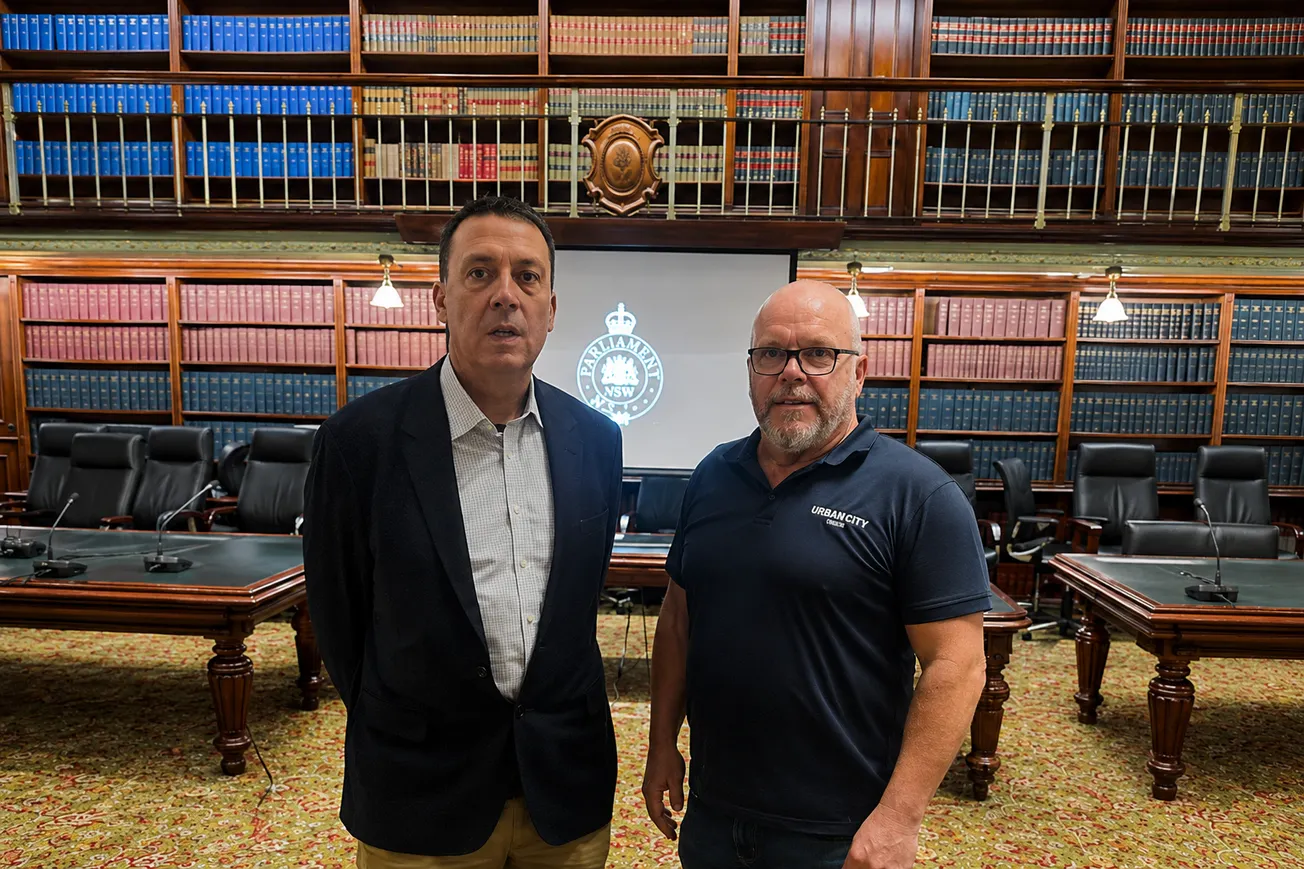
One of the committee's key witnesses, Troy Myers of Urban City Consulting, welcomed the Government's response, saying it represented an important acknowledgement that rural planning rules need to evolve.
"This is a significant step forward. The Government has recognised there is a genuine need for more flexible housing opportunities in rural areas while still protecting agricultural land and environmental values," Mr Myers said.
"Families shouldn't have to navigate years of red tape simply to house their elderly parents, adult children or essential farm workers on land that is already capable of accommodating another dwelling."
Mr Myers was one of several planning experts who gave evidence during the Hawkesbury hearing, arguing that existing planning controls were preventing sensible housing outcomes across regional and rural NSW.
Major reforms under consideration
The Government has agreed in principle to consider sweeping reforms to allow greater flexibility for secondary dwellings and dual occupancies in rural areas.
Among the proposals now being investigated are:
- allowing secondary dwellings and dual occupancies in more rural zones;
- considering detached second dwellings rather than requiring them to be attached to the main home;
- reviewing current size restrictions so second dwellings could be larger than currently permitted;
- allowing greater flexibility for setbacks and separation distances;
- examining whether complying development approvals could be used in suitable rural locations; and
- permitting associated structures such as sheds, pools and carports where multiple dwellings exist on rural properties.
However, the Government stopped short of supporting blanket statewide changes.
Instead, it said further work was needed because environmental constraints, bushfire risk, flooding, road access and infrastructure varied significantly across NSW.
The response states that "a blanket approach to permissibility across all rural and conservation zones is unlikely to be appropriate".
Councils to receive guidance
The Government also agreed in principle to develop additional guidance for councils, including possible model Local Environmental Plan (LEP) clauses and templates to help councils expand opportunities for secondary dwellings where appropriate.
For Hawkesbury landowners, this could eventually make it easier for councils to amend local planning controls while maintaining consistency with broader strategic planning objectives.
Mr Myers said consistency across councils would be a major benefit.
"One of the biggest frustrations has been the different interpretations between councils. Better guidance should provide greater certainty for landowners while still allowing councils to address local issues."
Existing illegal dwellings
The committee had recommended an amnesty for unauthorised dwellings that would become lawful under future planning rules.
The Government did not support an automatic amnesty but acknowledged the issue and said it would consider how existing unauthorised structures should be treated if planning laws change. It noted that Building Information Certificates remain the existing mechanism for seeking formal recognition of unauthorised building work.
Infrastructure concerns remain
One recommendation the Government rejected was a proposal to review rural infrastructure demands two to three years after reforms and consider additional funding mechanisms for councils.
Instead, the Government said existing developer contributions and infrastructure funding programs already provide mechanisms for supporting growth and that councils remain responsible for planning local infrastructure.
The Government did, however, support in principle the importance of safe rural road access when considering additional housing, although it declined to establish a statewide audit of rural roads.
What it means for Hawkesbury
For many Hawkesbury families, the reforms could eventually make it easier to accommodate multiple generations on rural properties without subdivision.
The issue has become increasingly important as rising housing prices push younger family members out of the district while ageing parents seek to remain close to relatives.
If ultimately implemented, the reforms could provide more opportunities for:
- multi-generational family living;
- housing for farm employees;
- allowing older residents to downsize while remaining on their property; and
- increasing housing supply without creating new rural subdivisions.
While no immediate changes have been announced, the Government's response indicates that detailed policy work will now continue to determine where and how planning reforms can be implemented safely and appropriately across rural NSW.
Disclosure
The Hawkesbury Gazette discloses that Councillor Mary Lyons-Buckett has familial ties to the publisher. The Gazette maintains editorial independence and publishes this disclosure in the interests of transparency.