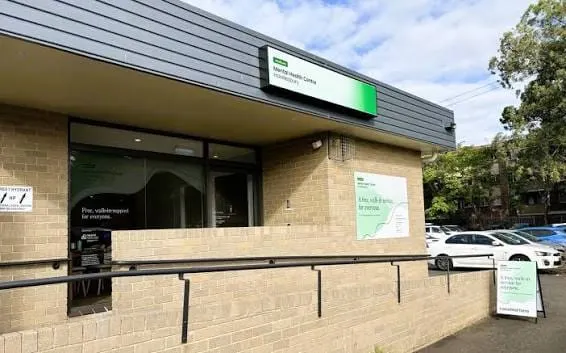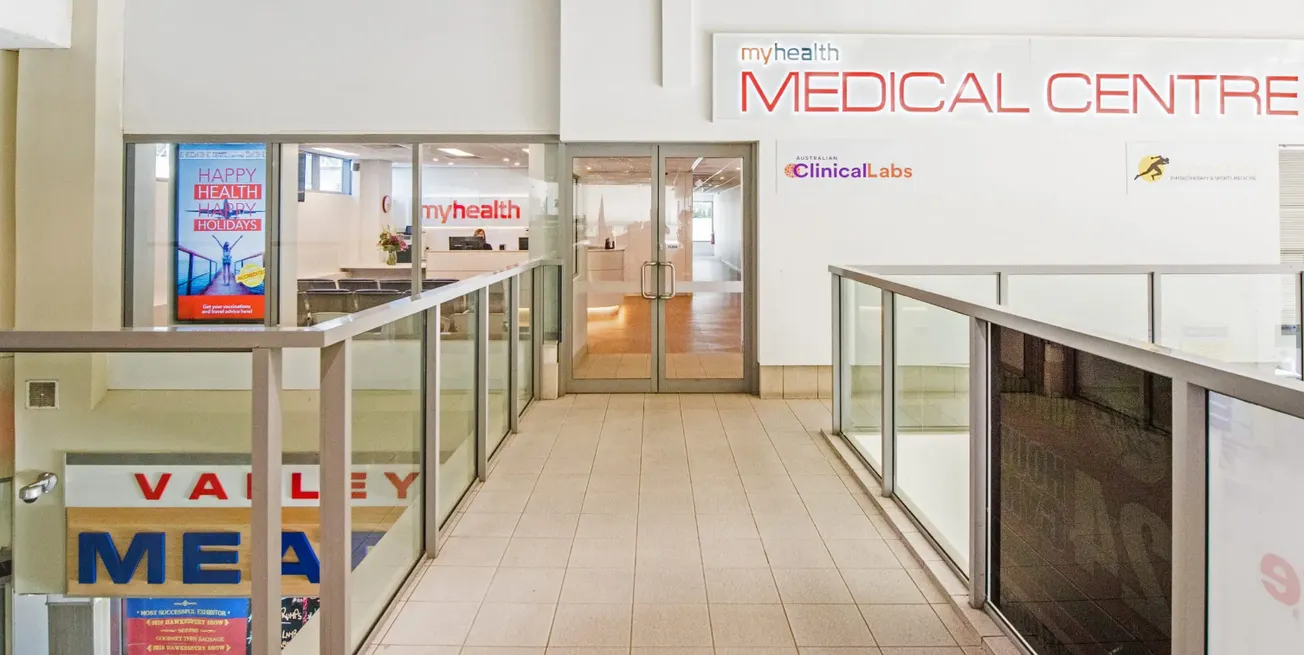
With winter respiratory illnesses putting growing pressure on hospitals, Hawkesbury residents are being urged to know where to seek medical help and when a trip to the emergency department is really necessary.
NSW hospitals are experiencing intense winter demand, with almost 10,000 people presenting to Sydney emergency departments on one recent Monday — described by the NSW Health Minister as the biggest winter day on record.
Influenza, respiratory syncytial virus (RSV) and COVID-19 are among the illnesses contributing to increased demand.
But not every cough, fever or respiratory infection requires hospital treatment.
University of Queensland infectious diseases expert Professor Paul Griffin says choosing the right level of care can help patients receive appropriate treatment while leaving hospital emergency departments available for people with serious and life-threatening conditions.
Start with your GP
For illnesses that do not require urgent attention, a GP will usually be the best place to start.
GPs can assess cold and flu symptoms, provide treatment advice, manage existing medical conditions and help patients develop a plan for dealing with winter illness.
They can also provide vaccinations and preventive health advice.
People who are breathing normally, able to drink fluids and are not seriously unwell will often be appropriately treated through general practice.
When urgent care may be the answer
Medicare Urgent Care Clinics sit between general practice and hospital emergency departments.
They are designed for illnesses and injuries requiring attention relatively quickly but which are not immediately life-threatening and are unlikely to require admission to hospital.
They can provide another option when a GP is unavailable or a condition needs treatment sooner than a routine appointment allows.
When should you go to emergency?
People experiencing severe or rapidly worsening symptoms should not delay seeking emergency medical attention.
Warning signs can include serious breathing difficulties, significant chest pain or becoming severely unwell.
Emergency departments prioritise patients according to the seriousness of their condition, meaning people with less urgent illnesses can face lengthy waits during periods of heavy demand.
If symptoms are severe or life-threatening, call Triple Zero (000).
Some people need to act earlier
Older people, young children and people living with existing health problems can become seriously ill from respiratory infections more quickly.
People with chronic heart or lung disease, diabetes, kidney problems and other significant medical conditions should be particularly alert to worsening symptoms.
Professor Griffin recommends people at greater risk speak with their GP before becoming ill and have a plan about what to do if symptoms develop.
Not sure where to go?
Australians can also access the Federal Government's free 1800MEDICARE service for health advice.
Registered nurses are available around the clock to help callers determine the appropriate level of care and can direct people towards a GP, urgent care clinic or hospital.
Where clinically appropriate after hours, patients may also be offered a telephone or video consultation with a GP.
Winter health: three levels of care
GP: Routine illnesses, cold and flu symptoms that are not severe, vaccinations, health checks and management of existing conditions.
Urgent Care Clinic: Conditions needing relatively prompt treatment but which are not immediately life-threatening and are unlikely to require hospital admission.
Emergency Department: Serious or rapidly worsening illness, severe breathing difficulties, significant chest pain and other potentially life-threatening conditions.
The message for Hawkesbury residents is not to avoid hospital when genuinely sick.
It is to choose the service that matches the seriousness of the condition.
Doing so can mean faster and more appropriate treatment for the patient while helping emergency departments concentrate on those who need hospital care most urgently.
This article provides general information only and is not a substitute for individual medical advice. Anyone concerned about their symptoms should seek advice from an appropriate health professional. In an emergency call Triple Zero (000).
SBS source: https://www.sbs.com.au/news/article/gp-urgent-care-or-emergency-department/13ydbn34q