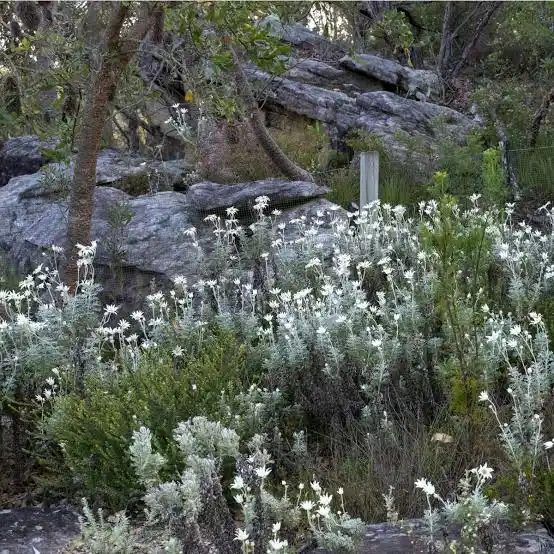
The Hawkesbury is really two gardens. Down on the river flats the soil is deep and rich, the frosts settle on still winter mornings, and every so often the water comes up. Up on the sandstone ridges the soil is thin, sandy and quick to dry, and summer heat bounces off the rock.
A native that thrives in Kurrajong Heights can sulk in Windsor, and the other way round. Choosing for your own patch is most of the job. On the sandstone
Ridge gardens suit the plants that grow in the bush next door. Flannel flowers, grevilleas, banksias, native fuchsia and kangaroo paw all want sharp drainage, full sun and very little fuss.
The usual mistake is kindness. These plants are adapted to poor soil, so skip the rich compost and use a low phosphorus native fertiliser, if you feed at all. Plant them slightly proud of the ground on a low mound so water runs away from the crown, and mulch with gravel or coarse leaf litter.
On the flats
Heavier, wetter ground calls for a different list. Bottlebrush and tea tree take wet feet and still flower hard. Lilly pilly makes a dense evergreen screen or hedge. Lomandra and dianella hold a bank, cope with a soaking and come back after dry spells. Paperbarks and river she oaks belong beside water and are worth the room if you have it. Where frost settles, leave the tender tropical natives for a sheltered spot near the house.
Planting so they last
Autumn and spring are the best planting windows here. A native planted small establishes faster than a large one and usually overtakes it within two or three years. Water deeply once or twice a week through the first summer, then ease off.
Most losses come from overwatering in heavy soil or from fertiliser meant for roses. Tip prune after flowering to keep shrubs dense. A light trim each year does far more good than a hard cut every five.
Why bother
A mixed native planting brings the birds back faster than almost anything else you can do in a garden. Small dense shrubs give wrens and finches cover, and grevilleas and bottlebrush feed honeyeaters for much of the year. It also means a garden that asks for less water once it has settled in, which matters more each summer. If you are starting from scratch, begin with three or four tough plants suited to your soil, see how they go through one summer, and build from there.
Isaac Olson is a director of Nursery Near Me, an Australian online nursery that delivers plants to the Hawkesbury and across Australia. Its range of Australian native plants is at nurserynearme.com.au/collections/australian-natives, with more than 300 free plant care guides at nurserynearme.com.au.
Hawkesbury has at least two native nursery Hawkesbury Community Nursery at Mulgrave and Australian Eco Flora at Ebenezer for interested residents.