Table of Contents
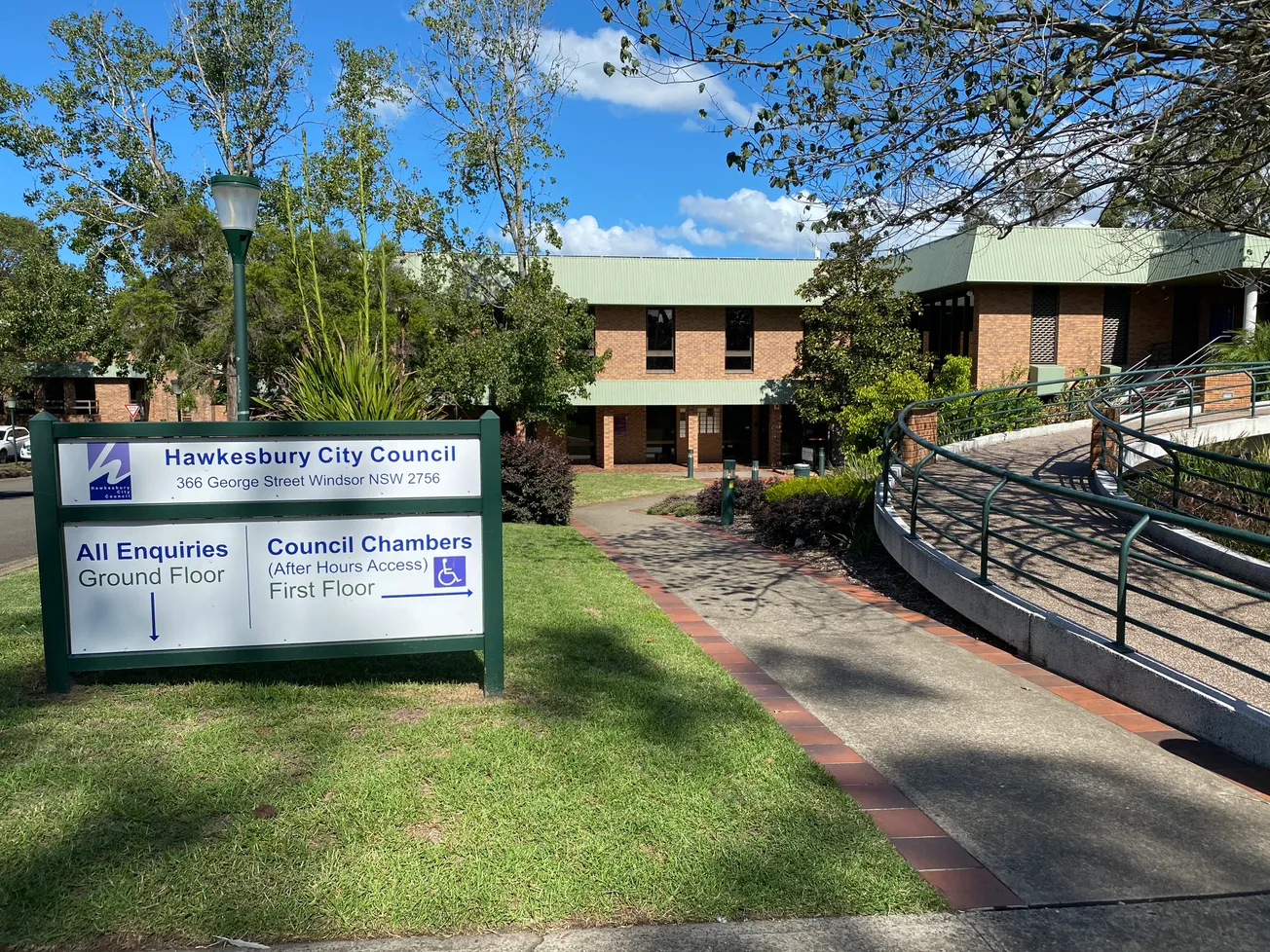
Buried deep within the NSW Auditor-General’s 2024 report on Local Government Hawkesbury Council has been identified as one of the least financially resilient in the State.
The finding, published in the NSW Auditor-General’s Local Government 2024 report, places Hawkesbury among councils with low liquidity, meaning it does not have sufficient unrestricted cash to comfortably cover short-term expenses.
Now, with the release of the 2025 Auditor-General’s report, Hawkesbury Council has again recieved an unmodified audit meaning its financial statements are accurate.
But beyond that, there is no detailed analysis, no case study, and no direct assessment of its financial position. The picture hasn’t improved.
Clean books, but growing risk
On paper, Hawkesbury appears compliant. The council received an “unmodified” audit opinion, meaning its financial statements are accurate.
But that headline figure masks a deeper structural issue.
The Auditor-General’s analysis shows Hawkesbury is among the councils with the least financial buffer, a key indicator used to assess whether a council can respond to shocks, emergencies, or unexpected costs.
In simple terms: the books may balance but there is little room to move.
A warning sign, not an anomaly
Hawkesbury is not alone. The report found:
- 40% of NSW councils are not breaking even
- 35 councils meet one or none of the key sustainability benchmarks
- Nearly half are failing to renew infrastructure at required levels
But for Hawkesbury a region facing repeated flood events, infrastructure strain, and rapid growth pressures low liquidity carries heightened risk.
The cost of doing more with less
The findings reinforce what many in the sector have been warning for years: councils are being asked to deliver more services without the funding to match.
Local government now carries responsibility for:
- Disaster recovery and resilience
- Community services and social infrastructure
- Roads, drainage and public assets
- Growth-area infrastructure
Yet revenue remains tightly constrained by rate pegging, while grants are inconsistent and often tied to co-contributions many councils cannot afford.
What this means for the Hawkesbury
For residents and businesses, the implications are real:
- Delayed infrastructure upgrades
- Increased maintenance backlogs
- Reduced capacity to respond to disasters
- Pressure on essential services
A council with limited cash reserves is also more exposed when the unexpected happens something the Hawkesbury knows all too well.
Leadership and accountability now in focus
The Auditor-General’s report stops short of naming individual councils as failures, but the data tells a clear story: financial sustainability across the sector is deteriorating.
For Hawkesbury, the question is no longer whether the system is under pressure it is whether local leadership is equipped to navigate it. Because a clean audit is not a clean bill of health.
Bottom line
Hawkesbury City Council may have passed its audit, but the State’s own financial watchdog has identified it as lacking the cash reserves needed to withstand future pressures.
For further information Audit Information NSW: https://www.audit.nsw.gov.au/our-work/reports/local-government-2024