Table of Contents
New scientific research connected to the Bee Research and Training Centre at Tocal College is shining a spotlight on the extraordinary potential of Australian honey and the Hawkesbury’s long-standing role in the nation’s beekeeping industry.
The research, published in the international scientific journal MicrobiologyOpen, explored the antimicrobial properties of honey produced by bees foraging on diverse Australian native plants.
Led by microbiologist Dr Kenya Fernandes, the study examined how floral diversity and hive health influence the chemical and microbial composition of honey. The results suggest that honey produced from a wide variety of plant sources may have stronger natural antibacterial properties than previously understood.
A Natural Antibacterial Powerhouse
Laboratory testing found that many Australian honey samples demonstrated strong antimicrobial activity, even when diluted.
Researchers believe this strength comes from the complex mix of natural compounds created when bees forage across multiple flowering plants. Honey can inhibit bacterial growth through several mechanisms including hydrogen peroxide production, natural acidity, plant phenolics and enzymes produced by bees.
Rather than relying on a single dominant compound, as seen in well-known single-origin honeys such as Mānuka honey, the research suggests that biodiversity may actually increase honey’s medicinal potential.
Mixed-floral honeys, where bees forage across many plant species, often showed particularly strong antimicrobial effects.
Local Hawkesbury herbalist Nicola Hayford-Hobbs from Hawkesbury Herbs says honey’s natural chemistry also contributes to broader health benefits beyond its antibacterial properties.
“Local honey contains traces of pollen collected by the bee's from nearby flora and regular consumption provides a gentle exposure to the immune system of these pollens. This works like exposure therapy by encouraging a desensitization response. Apart from this allergy-modulating response, honey is naturally rich in antioxidants, antimicrobial compounds and enzymes that can support immune health, sooth mucous membranes and relieve sore throats. Raw honey also contains small amounts of propolis and flavonoids, which contribute to anti-inflammatory and antimicrobial activity, support overall respiratory and immune function,” Ms Hayford-Hobbs said.
Biodiversity Matters
The findings highlight an important connection between environmental health and the qualities of honey itself.
When bees forage across diverse landscapes rich in native flowering plants, the resulting honey contains a wider range of bioactive compounds. These compounds may work together to create stronger antibacterial effects.
The research also examined the microbial ecosystems inside beehives, including bacteria associated with bees and hive materials.
Scientists found that healthy hives tended to produce honey with stronger antimicrobial properties, while stressed hives showed greater presence of potentially harmful microbes.
Hawkesbury’s Long Connection to Beekeeping
For Hawkesbury residents, the research resonates with a long local history of beekeeping and pollination services.
The Hawkesbury region has been an important centre for agriculture and horticulture for more than two centuries. Orchards, vegetable farms and nurseries throughout the district depend heavily on bee pollination.
Beekeepers based in the Hawkesbury and surrounding regions play a vital role supporting crop production across the Sydney basin and beyond.
Many local apiarists maintain mobile hives that travel between flowering crops and native bushland, allowing bees to access diverse nectar sources precisely the type of floral diversity highlighted in the new research.
The Tocal Connection
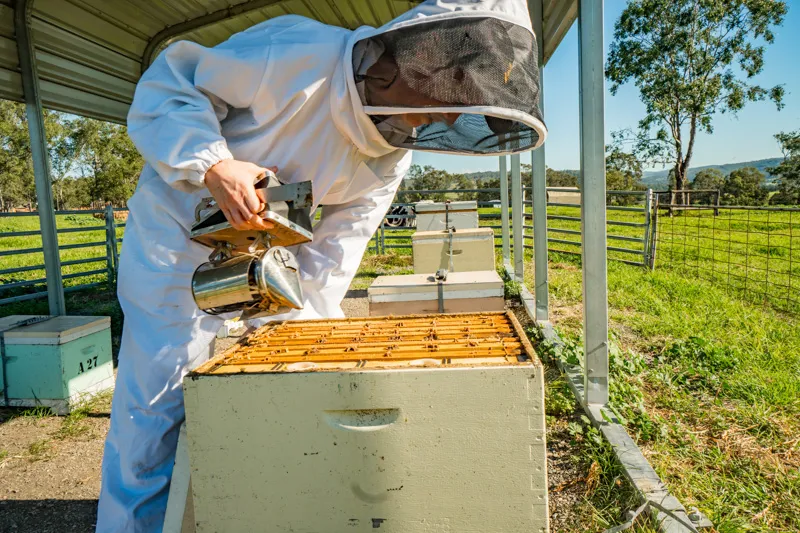
The Bee Research and Training Centre at Tocal College, located in the Hunter region, works closely with beekeepers, researchers and training organisations across NSW.
The centre operates hundreds of hives used for education, research and beekeeper training. Its work helps improve understanding of bee health, pollination and honey production.
Studies such as the one led by Dr Fernandes are helping scientists better understand how hive microbiology, environmental conditions and plant diversity interact to influence honey’s properties.
A Natural Approach to Seasonal Allergies
Honey may also offer benefits for people struggling with seasonal allergies, particularly when it is sourced locally. Consuming small amounts of local honey is believed to expose the body to trace levels of pollens present in the surrounding environment, which may help the immune system build tolerance over time.
“Consuming small amounts of locally sourced honey helps to support the body's tolerance to environmental pollens and reduce seasonal allergy symptoms,” Ms Hayford-Hobbs said.
As scientists continue to unlock the microbiological secrets of honey, the humble beehive may prove to hold far more than a sweet reward.
Beyond the Breakfast Table
The research is part of a broader international effort to explore natural alternatives to antibiotics, as global health authorities warn of increasing antibiotic resistance.
Honey has long been recognised for its antibacterial qualities and is already used in some medical treatments, particularly for wound care.
Australian researchers are now investigating whether native floral landscapes could produce honeys with unique antimicrobial characteristics.
For regions like the Hawkesbury, where agriculture, bushland and beekeeping intersect, the findings highlight the importance of protecting biodiversity not just for the environment, but potentially for future medical discoveries as well.