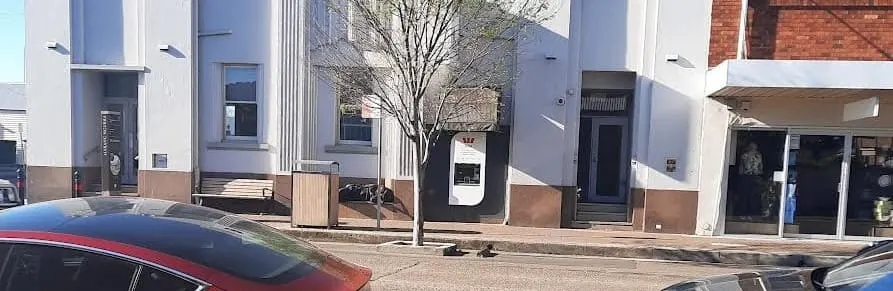
Residents and traders are reporting a noticeable increase in people sheltering in shopfronts and public spaces across Windsor and Richmond, exposing the most visible edge of a much larger homelessness problem in the Hawkesbury.
An increasing number of people appear to be sleeping in shop doorways and other sheltered locations in the Windsor and Richmond town centres, prompting concern about the lack of secure housing and crisis accommodation in the Hawkesbury.
People carrying bedding and personal possessions have been seen seeking protection beneath awnings and in recessed entrances after businesses close.
For some, a doorway provides limited shelter from rain, wind and cold. It may also feel safer than an isolated park, vehicle or bushland campsite.
Their increasing visibility does not necessarily mean that homelessness has only recently arrived in the Hawkesbury. Most homelessness is hidden from public view.
People may sleep in cars, sheds, tents and caravans, move between friends’ homes or remain in unsafe relationships because they have nowhere else to go. Families living in severely overcrowded properties may also meet the Australian Bureau of Statistics definition of homelessness.
Those sleeping in shopfronts represent only the small proportion who have run out of less visible alternatives.
No reliable current local count
The latest comprehensive official homelessness estimates come from the 2021 Census. Results from the 2026 Census are not yet available.
The ABS estimated that 122,494 people were experiencing homelessness across Australia on Census night in 2021, including 35,011 in NSW.
Only about six per cent of the national total were sleeping outside or in tents and other improvised dwellings. Most were in supported accommodation, boarding houses, temporary lodgings, severely overcrowded homes or staying temporarily with other households.
A current, readily accessible count of people experiencing homelessness in the Hawkesbury has not been published.
The Census is also likely to miss people who move between temporary locations, sleep intermittently in vehicles, avoid government agencies or do not describe themselves as homeless.
Its 2021 figures were collected during COVID-19 restrictions, when some people sleeping rough had been placed in temporary accommodation.
The absence of a current local count makes it difficult to determine precisely how much homelessness has increased. However, the growing number of people visible in Windsor and Richmond indicates that housing insecurity requires urgent attention.
Rent increasingly beyond reach
The private rental market has become unaffordable for many people receiving JobSeeker, Youth Allowance, pensions or low wages.
Even residents with employment can be left vulnerable when a relationship ends, a landlord sells a property, a lease is not renewed or an illness interrupts their income.
Applicants for private rentals must compete against households with higher and more secure incomes. Upfront costs can include a bond, rent in advance, moving expenses and utility connections.
Social housing is intended to provide an alternative for people on very low incomes, but limited supply and long waiting periods mean it cannot meet immediate demand.
Temporary accommodation may provide a motel room for a short period, but it does not create a permanent home. People can find themselves repeatedly moving between emergency rooms, vehicles, friends’ houses and the street.
Natural disaster add to pressure
The Hawkesbury’s repeated floods and bushfires have intensified local housing insecurity.
Disasters have damaged or destroyed homes, displaced tenants and removed properties from an already limited rental market. Some residents have been able to return or rebuild, while others have faced lengthy delays involving repairs, insurance and planning approvals.
A short period of disaster displacement can develop into prolonged homelessness when there is no affordable property available locally.
Moving away may also mean losing employment, schooling, medical care and the family or community relationships on which a person depends.
Different paths into homelessness
There is no single explanation for why someone sleeps in a shop doorway.
Housing costs and shortages are major structural causes, but individual circumstances can include domestic and family violence, relationship breakdown, mental or physical illness, job loss, disability, trauma and release from hospital or custody without stable accommodation.
Alcohol or drug dependence may affect some people, but it should not be assumed to explain every case. Substance use can be a cause, consequence or coping response to homelessness.
Women and children escaping violence, young people couch-surfing and older women facing poverty are particularly likely to remain hidden from public view.
People sleeping rough are also at increased risk of assault, theft, illness and exposure to severe weather. Without secure storage, medication, identification documents and personal possessions can be lost or stolen.
Difficulties for businesses
The situation also creates challenges for shopkeepers responsible for keeping entrances safe and accessible for staff and customers.
Businesses may encounter bedding, rubbish or personal possessions when opening in the morning. Doorways must remain accessible, but simply moving a person elsewhere does not resolve the circumstances that placed them there.
A coordinated response is needed so traders know who to contact and outreach workers can offer assistance before a situation becomes a conflict.
The response should protect public access and safety while treating people experiencing homelessness with dignity.
Housing must be the response
Food, blankets, showers and emergency relief can reduce immediate hardship, but they cannot replace permanent housing.
Evidence from successful homelessness programs shows that people are more able to address health, employment, trauma and substance dependence after obtaining safe and stable accommodation.
People who are homeless or at immediate risk of homelessness can contact the NSW Government’s Link2home service on 1800 152 152, 24 hours a day.
Women experiencing domestic or family violence can contact 1800RESPECT on 1800 737 732. Anyone in immediate danger should call 000.
People sheltering in the doorways of Windsor and Richmond are not merely a town-centre amenity problem. Their presence is a warning that the region’s housing and support systems are failing some of its most vulnerable residents.