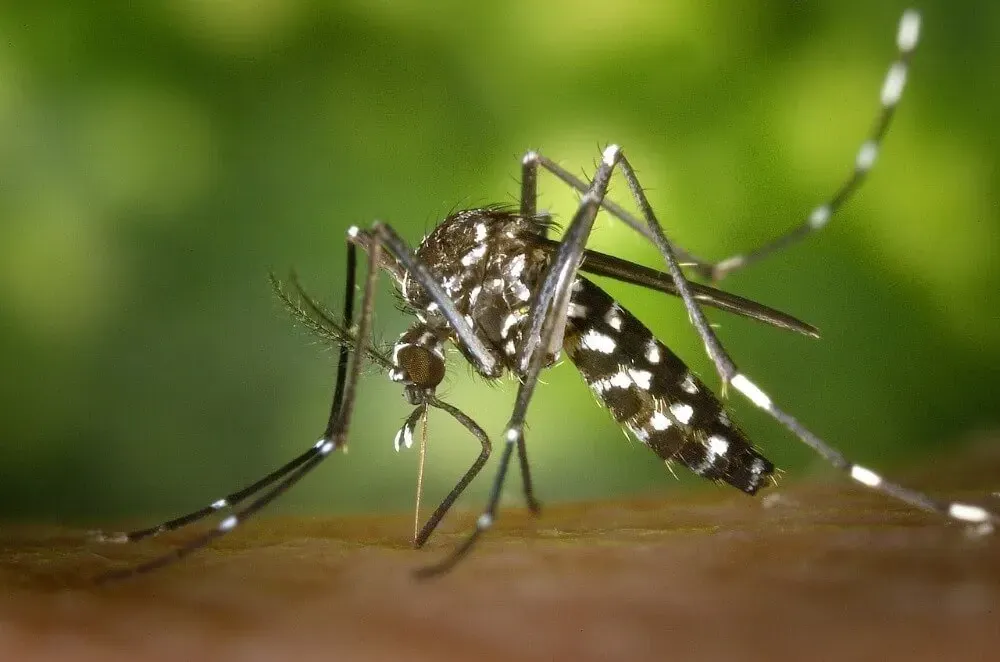
Health authorities are warning Hawkesbury residents to take precautions against Japanese encephalitis virus (JEV), a mosquito-borne disease that has been detected in NSW and can cause serious illness. With extended warm weather into Autumn residents are reminded to use insect repellant.
While rare, the virus can lead to severe complications, including inflammation of the brain, and has already resulted in deaths in the NSW in recent years.
A Growing Seasonal Concern
Japanese encephalitis is spread through the bite of infected mosquitoes, which acquire the virus from animals such as pigs and waterbirds.
The risk is highest in areas with wetlands and floodplains, standing water and high mosquito activity.
Conditions common across the Hawkesbury particularly extended wet periods can increase the likelihood of mosquito breeding and, in turn, potential exposure.
Since 2022, cases have been recorded across several states, including NSW, with recent deaths highlighting the seriousness of the disease.
Low Risk, High Impact
Health experts emphasise that most people infected with JEV will not develop symptoms. However, in a small number of cases, the virus can cause severe illness.
Symptoms of serious infection may include:
- fever and headache
- confusion or disorientation
- seizures
Of those who develop severe disease, a significant proportion may suffer long-term neurological complications, and in some cases, the illness can be fatal.
Increased Risk for Emergency Services
For emergency responders, the risk can be higher due to the nature of their work.
Volunteers often operate outdoors for extended periods in bushland, flood-affected or rural environments and during early morning or evening hours when mosquitoes are most active.
These conditions can increase the likelihood of exposure, particularly during flood response or hazard reduction activities.
Vaccination Available
A vaccine for Japanese encephalitis is available in Australia and is recommended for people at higher risk of exposure.
This includes:
- emergency service workers
- people living or working in high-risk areas
- and those in close contact with pigs
Residents are encouraged to speak with their GP or local health provider to determine eligibility.
Protecting Yourself
Authorities say prevention remains the most effective defence.
Residents are advised to use insect repellent containing DEET or picaridin, wear long sleeves and pants when outdoors and avoid mosquito-prone areas at dawn and dusk where possible.
Around the home, simple steps can also help reduce risk, including removing standing water from containers and gutters, ensuring window screens are intact and using mosquito nets where appropriate.
A Community-Wide Responsibility
While the overall risk to the general population remains low, the potential consequences of infection mean awareness and prevention are critical.
For a region like the Hawkesbury, where environmental conditions can support mosquito activity, the message is clear: Taking simple precautions can make a significant difference.