One in every 10 Australians is now living in what researchers describe as "wellbeing poverty", with new Australian Bureau of Statistics (ABS) data revealing a dramatic decline in life satisfaction over the past decade.
The findings paint a picture of a nation grappling with rising living costs, housing affordability pressures and economic uncertainty, while also highlighting the importance of strong local communities such as those found across the Hawkesbury.
According to the ABS General Social Survey, almost 2.2 million Australians aged 15 years and over reported very low levels of life satisfaction in 2025, with 9.7 per cent rating their overall satisfaction with life at four or below out of 10. That figure has doubled from just 4.8 per cent in 2014.
The sharp increase first emerged during the COVID-19 pandemic and has persisted as households continue to deal with high prices for essentials including electricity, insurance, healthcare and housing.
Cost of Living Taking Its Toll
Economist Shane Oliver from AMP said many households, particularly those on lower incomes, have been disproportionately affected by years of rising living costs.
"Consumer confidence seems to be chronically stuck around recessionary levels," he said.
National household disposable income, after adjusting for inflation, remains little changed from levels recorded during the middle of 2020, meaning many families have seen little real improvement in their standard of living despite continued economic growth.
Housing affordability was identified as one of the biggest contributors to declining wellbeing.
Oliver said many Australians, particularly younger people, now feel that home ownership has become increasingly out of reach, leading to frustration and declining optimism about the future.
Feeling Left Behind
The survey found Australians experiencing the lowest levels of life satisfaction were also less likely to feel connected to their communities.
Only 15 per cent of people experiencing wellbeing poverty believed they had a say in important decisions affecting their community, compared with 32 per cent across the general population.
Among Australians reporting the highest levels of life satisfaction, almost half believed they had a meaningful voice in community decision-making.
The data also found people with low life satisfaction expressed lower levels of trust in institutions and were less likely to view Australia's multicultural society positively.
Community Connections Matter
Despite growing financial pressures, there was encouraging news.
Research from the Scanlon Foundation Research Institute found Australia's overall level of social cohesion has remained relatively stable over recent years.
Chief Executive Anthea Hancocks said communities with strong neighbourhood connections consistently reported much higher levels of happiness.
"We know that regardless of your economic circumstances, whether you are struggling or prosperous, if you live in a highly cohesive neighbourhood, then your level of happiness doubles," she said.
She said trust between neighbours, volunteering, local organisations and community participation all played an important role in helping people cope with economic pressures.
Hawkesbury's Strength Lies in Community
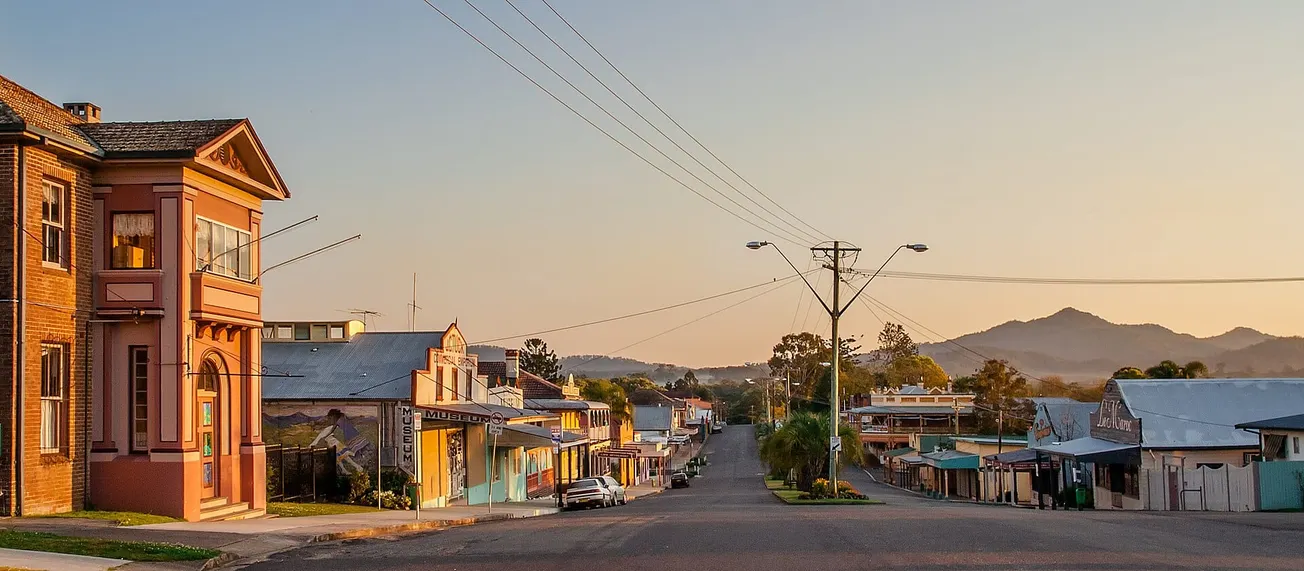
For communities like the Hawkesbury, the findings provide an important reminder that wellbeing is influenced by much more than income.
Across the district, residents continue to support one another through sporting clubs, volunteer organisations, rural fire brigades, community groups, churches, schools and local events.
Those networks have been particularly evident following recent floods, bushfires and other emergencies, where neighbours have often been the first to provide assistance.
While financial pressures remain significant for many Hawkesbury families, particularly those dealing with higher mortgage repayments and rising household costs, the area's strong tradition of community participation may help offset some of the broader decline in wellbeing identified nationally.
Analysis
The ABS figures highlight an important economic reality that is often overlooked.
For decades economists measured success primarily through growth in Gross Domestic Product (GDP). Increasingly, governments and researchers recognise that prosperity also depends on people's lived experience—whether they feel secure, connected, respected and optimistic about their future.
The Hawkesbury illustrates this well.
Economic growth remains essential. Businesses need customers, workers need jobs and councils need a growing rate base to fund services. But communities also need places where people meet, volunteer and participate.
If Australians are to reverse the growing trend of wellbeing poverty, policies that improve housing affordability, reduce cost-of-living pressures and strengthen local communities may prove just as important as traditional measures of economic growth.
As the latest ABS figures demonstrate, happiness is not simply measured in dollars, it is also built through trust, belonging and community.
Information in this article was first published in The Guardian Australian https://www.theguardian.com/business/2026/jul/20/australias-life-dissatisfaction-levels-double-as-wellbeing-poverty-reaches-new-highs?CMP=share_btn_url