New figures reveal that, on average, one native animal is legally killed every minute in New South Wales, raising concerns about the impact on wildlife in regions such as the Hawkesbury, where kangaroos, wombats and native bird species are commonly found on rural and semi-rural properties.
Animal welfare organisation Humane World for Animals Australia will present evidence at a NSW Parliamentary Committee inquiry into licences to harm native animals on 9 February, as data shows a sharp increase in the number of permits issued to private landholders to kill native wildlife across the state.
The figures, published in 2025, show that more than 480,000 native animals were permitted to be killed under NSW’s wildlife licensing system—an increase that has prompted calls for stronger regulation and oversight.
Under the system in 2025:
- 443,115 kangaroos and wallabies were permitted to be killed — a 75 per cent increase on the previous year
- 35,605 native birds were permitted to be killed
- 6,640 emus were permitted to be killed — more than triple the previous year’s figure
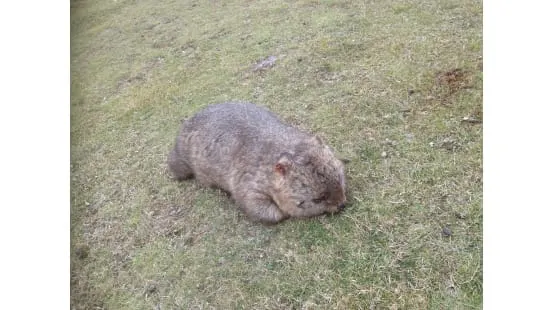
- 286 wombats were permitted to be killed
Licences to kill eastern grey kangaroos, a species commonly seen across paddocks and bushland in the Hawkesbury, increased from 157,246 in 2023 to 355,462 in 2025. Authorisations for red kangaroos also nearly tripled over the same period.
Dozens of native bird species were included under the licensing system, including little corellas, noisy miners, galahs, sulphur-crested cockatoos and welcome swallows, all of which are frequently recorded in the Hawkesbury region.
Local resident Dannielle Warner said it was time for a fundamental rethink of how native animals are managed.
“It is time to redesign the policies governing the management of native animals. Current approaches are deeply troubling, raising serious ethical concerns and resulting in tragic consequences for our unique wildlife,” Ms Warner said.
“Our ecosystems are still recovering from the devastation of the NSW bushfires and now face yet another challenge in the aftermath of the Victorian fires. Wildlife populations are being pushed to the brink.
“We must step up to protect and preserve not only the species that have been directly targeted, but wildlife and ecosystems as a whole.”
Sarah Thompson from Wildside Sanctuary said the figures reflected a long-standing reliance on lethal control rather than sustainable alternatives.
“These figures are quite alarming and reflect our sad history of using lethal control as a first response to conflicts between farmers and wildlife,” Ms Thompson said.
“While most licences were issued for agricultural areas that may be drought-impacted, it is deeply disturbing that some were granted for Sydney-area postcodes.
“Research is urgently needed to determine what other practical and effective options are available. Greater funding should instead be directed toward eliminating pests such as feral pigs, deer and goats, which compete with both wildlife and livestock for increasingly limited resources.”
Humane World for Animals Australia Wildlife Program Manager Dr Renae Charalambous said the figures pointed to a system in need of urgent reform.
“I’m sure that the people of NSW would be appalled to know about the devastating number of native animals that their elected government is allowing to be killed across the state every day,” Dr Charalambous said.
The organisation said it does not support the killing of native wildlife, but argued that if the NSW Government continues to issue licences, stronger safeguards must be enforced. Proposed reforms include mandatory shooter competency and species identification testing, proof that non-lethal methods have been exhausted, evidence of damage or risk posed by animals, improved reporting and transparency, science-based population limits, and the full application of animal welfare laws.
The Parliamentary Committee inquiry is examining whether the current licensing framework adequately protects native wildlife and balances land management concerns with animal welfare an issue of growing relevance in regional areas such as the Hawkesbury.