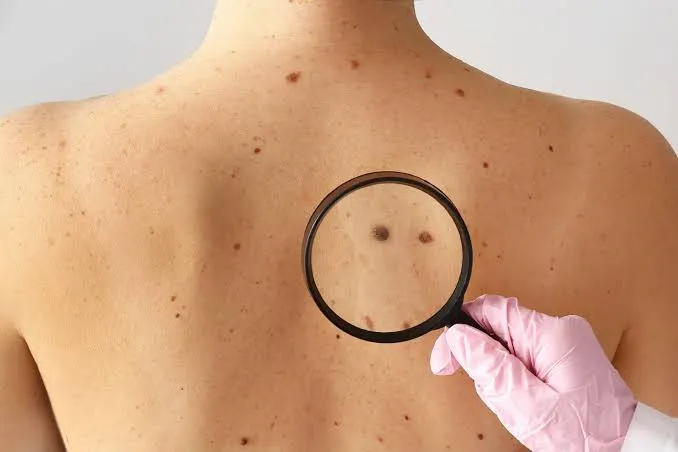
New national data has provided the clearest estimate yet of the scale of Australia’s most common skin cancers, finding that about 535,000 people each year have at least one basal or squamous cell carcinoma surgically removed.
The Australian Institute of Health and Welfare used Medicare-funded surgical removals as a proxy for diagnosis because these cancers are not routinely recorded by state and territory cancer registries. The institute cautioned that the method was likely to underestimate their true incidence.
About two per cent of Australians had at least one common non-melanoma skin cancer removed annually between 2020 and 2024. On this measure, the cancers were approximately three times as common as all other cancers combined.
The analysis also found higher surgical-removal rates among people living in regional Australia than among those in major cities or remote and very remote areas—a finding with particular relevance to outdoor workers in communities such as the Hawkesbury.
Farmers, horticultural workers, construction workers, tradespeople, road crews and emergency-service volunteers can accumulate substantial ultraviolet exposure over years of outdoor work.
Rural exposure builds over time
Skin damage is not limited to a day at the beach or an obvious episode of sunburn.
Ultraviolet radiation can reach hazardous levels throughout the year, including on cool or cloudy days. Repeated exposure accumulated over decades can contribute to skin cancer, particularly squamous cell carcinoma.
Safe Work Australia identifies solar ultraviolet radiation as the leading cause of skin cancer nationally and a workplace hazard that employers and other persons conducting a business or undertaking must manage.
Research cited by SunSmart suggests outdoor workers can receive up to 10 times more ultraviolet exposure each year than people who work indoors.
Agricultural workers face particularly high exposure because working hours are often determined by weather, crops, livestock and seasonal demands—not by the daily UV forecast.
In the Hawkesbury, orchardists, turf farmers, market gardeners, livestock producers and nursery workers may spend long days outside. The danger can be underestimated during winter, at higher elevations along Bells Line of Road or when cloud and cooler temperatures make the sunlight feel less intense.
UV radiation cannot be seen or felt, and temperature is not a reliable measure of risk.
People living in regional areas may also face longer travel distances to reach GPs, skin clinics and specialists, potentially making regular assessment and follow-up treatment less convenient.
Australian figures previously showed melanoma incidence was highest in inner-regional areas, followed by outer-regional areas.
The hidden cost of Australia’s most common cancers
Non-melanoma skin cancers are generally not included in standard cancer registries in the same way as melanoma and many other cancers because so many are treated through general practices, specialist clinics and outpatient services.
That has made their true prevalence difficult to measure.
The new AIHW work draws together available information to produce a clearer national estimate of diagnoses, deaths and health-system costs associated with basal cell and squamous cell carcinomas.
Basal cell carcinoma is the most common form. It generally grows slowly and rarely spreads to distant parts of the body, but can cause significant local damage if it is not treated.
Squamous cell carcinoma can grow more quickly and has a greater capacity to spread, although most cases can be successfully treated when detected early.
The report estimated that skin cancers cost the Australian health system about $2.5 billion in 2023–24.
Non-melanoma skin cancer accounted for about $1.9 billion of that expenditure, while melanoma cost approximately $596 million.
‘We don’t have to accept that’
Cancer Council National Skin Cancer Committee chair Sally Blane said the data confirmed the seriousness of Australia’s skin cancer burden.
“These figures from the AIHW confirm what we see every day,” Ms Blane said.
“Non-melanoma skin cancer is Australia’s most common cancer by a significant margin, affecting half a million people every year and costing our health system close to $2 billion annually.
“Australia has the highest rate of skin cancer in the world. Two in three Australians will be diagnosed with skin cancer in their lifetime. Thankfully, we know most skin cancers can be prevented.”
Ms Blane said sun protection should be used whenever the UV Index reaches three or above.
That means using all five recommended forms of protection: wearing sun-protective clothing, applying broad-spectrum and water-resistant SPF50 or SPF50+ sunscreen, wearing a broad-brimmed hat, seeking shade and wearing sunglasses.
“Most Australians will be affected by some type of skin cancer in their lifetime. We don’t have to accept that,” she said. “Implementing sun-protection habits at any age makes a real difference.”
Sun safety on farms and outdoor worksites
For rural businesses, sun protection should be treated as a workplace safety measure rather than left entirely to individual workers.
Practical protections can include:
- scheduling outdoor work for earlier or later in the day where possible;
- providing shade over rest, packing and work areas;
- supplying protective clothing, broad-brimmed hats and suitable sunscreen;
- encouraging workers to reapply sunscreen regularly;
- rotating tasks to reduce prolonged exposure;
- including UV risks in workplace safety briefings; and
- checking the UV Index rather than relying on temperature or cloud cover.
Protection remains important when working inside open tractor cabins, beside reflective metal roofs or surfaces, and when moving repeatedly between indoor and outdoor tasks.
Know what is normal for your skin
Cancer Council advises people to become familiar with their skin and seek medical advice about a spot or lesion that is new, changing or does not heal.
Warning signs may include a sore that repeatedly bleeds or crusts, a persistent scaly patch, a pearly or shiny lump, or a spot that changes in size, shape or colour.
Anyone with a history of skin cancer, extensive lifetime sun exposure, lighter skin, a weakened immune system or a strong family history should discuss their individual risk and appropriate checks with a GP.
There is no substitute for a professional diagnosis. Smartphone applications and photographs may help people monitor a spot, but they cannot reliably determine whether it is cancerous.
For Hawkesbury residents who have spent a lifetime working outdoors, the message from the new figures is clear: past sun exposure cannot be undone, but protection started today can still reduce further damage—and suspicious changes should not be ignored.
This article is based on information released by Cancer Council Australia about new Australian Institute of Health and Welfare data, supplemented by workplace sun-exposure guidance from Safe Work Australia.