Table of Contents
As Australians return from the Easter break, Federal Member for Macquarie Susan Templeman has backed the Australian Government’s long-awaited reforms to gambling advertising, describing them as a major step forward in protecting children and families.
The announcement marks the government’s formal response to the parliamentary inquiry into online gambling harm, which called for sweeping changes to reduce the saturation of betting promotions, particularly during sport.
Templeman said the reforms would help “break the connection between wagering and sport,” pointing to new limits on television, radio and online advertising.
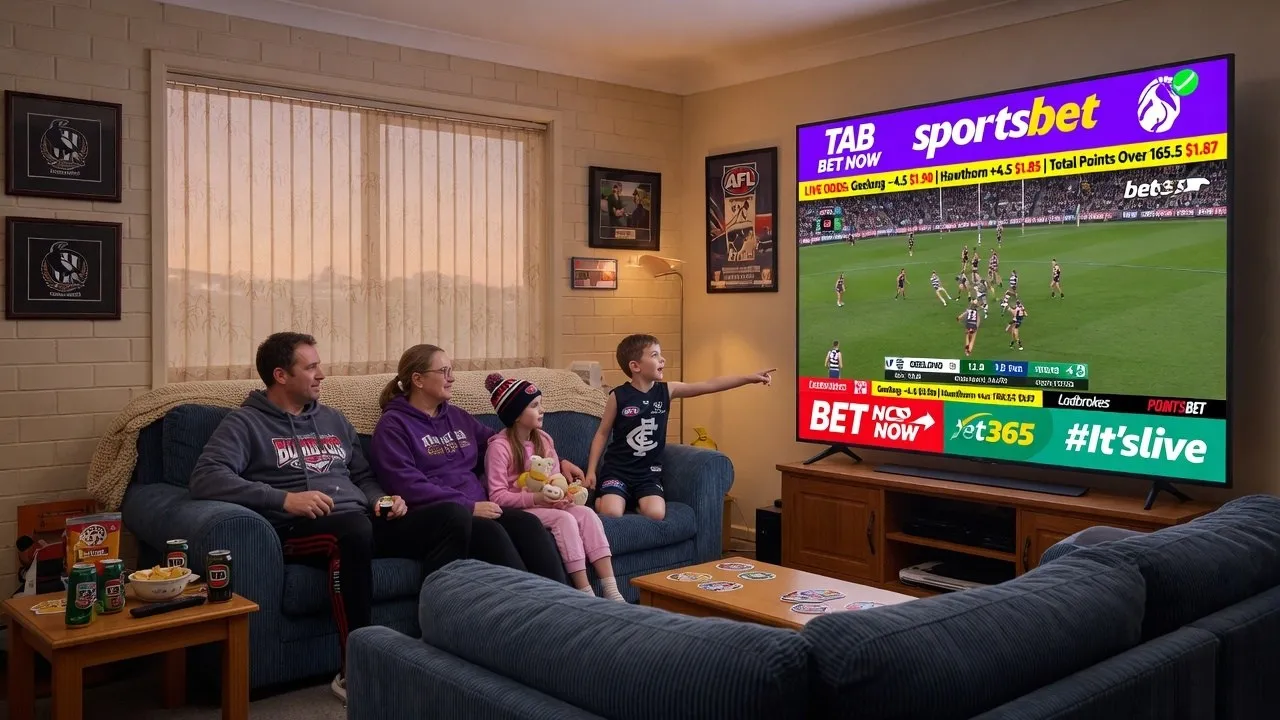
From next year, gambling ads on free-to-air television will be capped at three per hour between 6am and 8:30pm, with a full ban during live sports broadcasts in those hours. Radio advertising will also be restricted during school drop-off and pick-up times, while online ads will only be permitted for logged-in adult users who can opt out.
The reforms also include a ban on the use of celebrities and athletes in gambling promotions, and the phased removal of wagering sponsorship from stadiums and team jerseys.
“These changes are about reducing the exposure of children and young people to gambling,” Templeman said.
But while the measures have been welcomed as progress, they stop short of the full advertising ban recommended by the parliamentary inquiry, You win some, you lose more.
That gap is likely to remain a point of debate particularly in communities like the Hawkesbury, where the impacts of gambling are often felt more directly.
The federal package also includes broader harm reduction measures, such as stronger enforcement against illegal offshore betting providers, a ban on certain online-style lottery products and “pocket pokies,” and expanded support for financial counselling services.
The government will also continue to strengthen BetStop, the national self-exclusion register, alongside public awareness campaigns targeting online gambling risks.
Templeman said the reforms build on earlier steps, including the recent ban on credit cards for online wagering, and represent a significant shift in how gambling is regulated in Australia.
“I’m proud that from 1 January, Australians will be able to sit down with their families and watch sport without being bombarded by gambling advertising,” she said.
However, for many in the Hawkesbury, the issue is more complex than advertising alone.
Local clubs and sporting organisations central to community life, remain heavily reliant on gambling revenue, particularly from poker machines. While the federal reforms target online wagering and advertising, they do not directly address the broader structural dependence on gambling income at a local level.
That tension continues to sit at the heart of the debate.
As the reforms begin to roll out, the key question for regional communities will be whether reducing exposure to advertising is enough or whether deeper changes to the way gambling is embedded in Australia’s social and economic fabric are still to come.