Table of Contents
The quiet closure of an informal truck stopping area at Kurrajong Heights has reignited concern about road safety and freight infrastructure along Bells Line of Road, one of the key corridors linking the Central West NSW to Sydney.
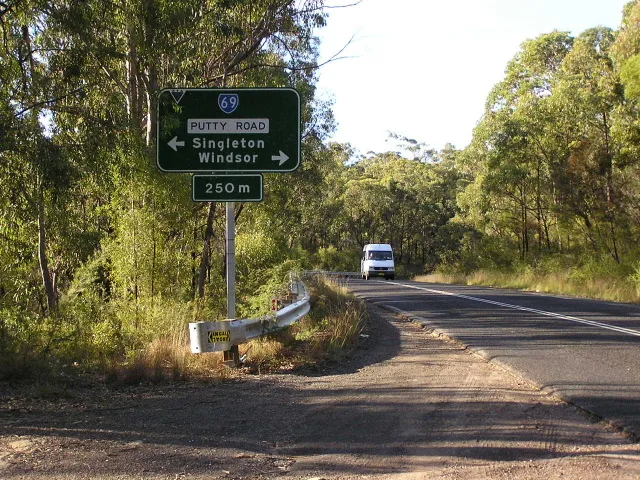
For years, truck drivers relied on a gravel pull-off near Kurrajong Heights. It was never a formal rest area with toilets or services, but it functioned as a practical stopping point where drivers could check loads, cool brakes after the long climb across the mountains, or take fatigue breaks required under heavy vehicle regulations.
That informal stopping place has now been closed, removing one of the few locations along the corridor where heavy vehicles could safely pull over.
The land is managed by Hawkesbury City Council, which reportedly blocked access to the site following concerns about illegal dumping, antisocial behaviour, safety risks and maintenance costs.
But the disappearance of the lay-by has highlighted a wider question: on a road already known for serious accidents involving heavy vehicles, where are truck drivers supposed to stop?
A Road With a Troubling Crash History
Bells Line of Road has long been considered a challenging route. The steep grades, sharp bends and heavy freight traffic have contributed to a significant crash history.
A strategic corridor study of the route recorded a crash rate of around 54 crashes per 100 million vehicle kilometres travelled, including 21 casualty crashes per 100 million vehicle kilometres.
More recently, Transport for NSW data shows 22 crashes occurred on sections of Bells Line of Road between January 2020 and January 2025.
Local residents are acutely aware of the risks.
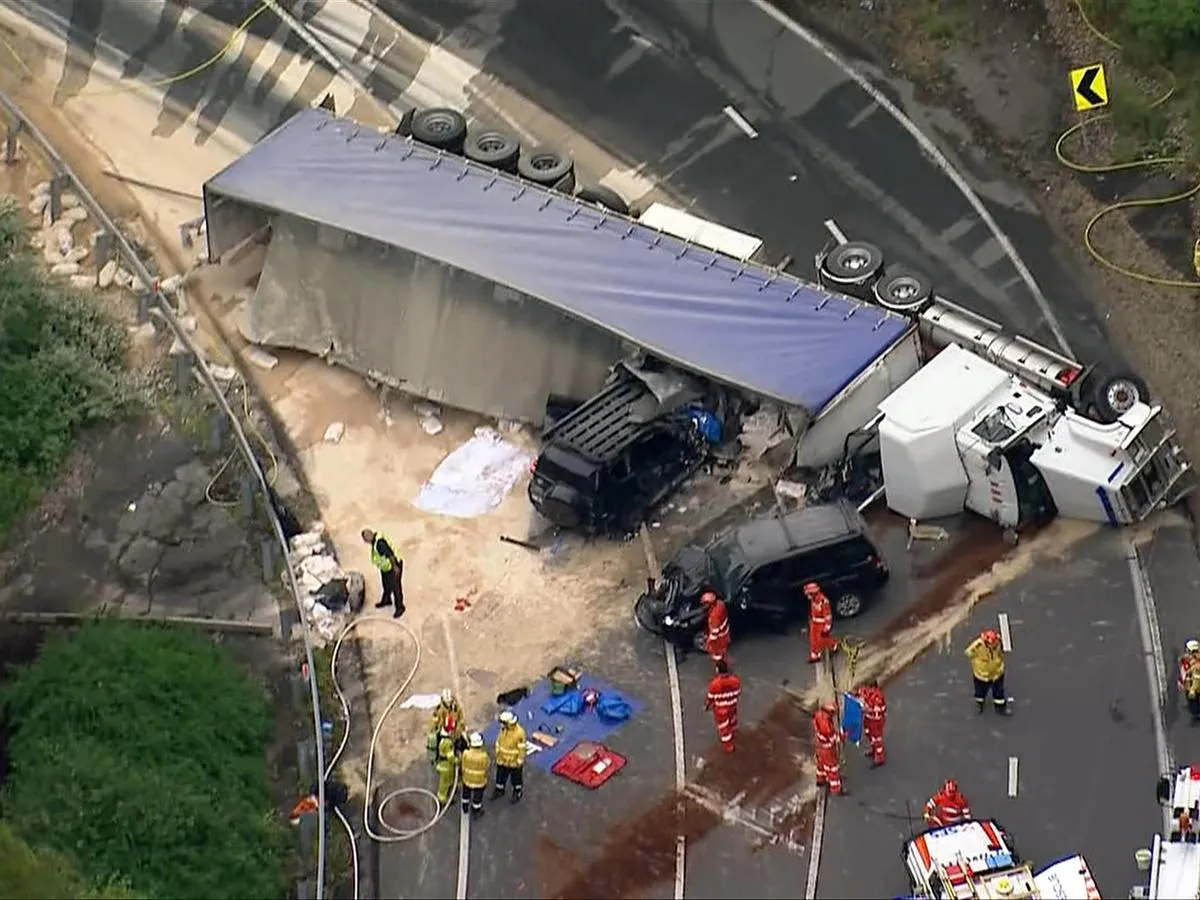
In 2025, a local woman was seriously injured when a truck rolled onto her car while descending Kurrajong Heights, trapping her vehicle beneath the heavy vehicle and forcing emergency crews to close the road while she was rescued and taken to hospital.
Incidents like that have reinforced community concerns about heavy vehicle safety on the mountain corridor.
A Vital Freight Route
Despite its dangers, Bells Line of Road plays an important role in the regional transport network.
It is one of only two major road crossings over the Blue Mountains linking Sydney with the Central West, alongside the Great Western Highway.
Freight operators regularly use the route to transport agricultural produce, building materials and general freight between the Central West and Western Sydney distribution centres.
For drivers travelling from Lithgow toward the Hawkesbury, the Kurrajong Heights lay-by served as one of the last practical places to stop before the steep descent into the valley.
Mountain roads place particular demands on heavy vehicles. Drivers often need to stop to check braking systems, secure loads, or comply with fatigue management laws before tackling steep grades.
Without suitable stopping areas, drivers may be forced to continue driving further than planned or attempt to pull over in less suitable roadside locations.
A Pattern Across Greater Sydney
The Kurrajong Heights closure also reflects a broader trend across the Sydney region.
Freight industry groups such as the Australian Trucking Association and NatRoad have repeatedly warned that Sydney has a shortage of heavy-vehicle rest areas.
Over time, many informal stopping places used by drivers have disappeared as councils introduced parking restrictions, residents complained about truck parking, or roadside sites were closed due to dumping and safety concerns.
In many cases, the sites vanish without being replaced by purpose-built facilities.
Truck drivers travelling along corridors such as the M7 Motorway, Great Western Highway, and Bells Line of Road often report difficulty finding safe and legal places to stop.
Within the freight industry, the trend has earned a blunt name: the “disappearing rest stop problem.”
Freight Planning vs Reality
Transport planners have long recognised Bells Line of Road as an important secondary freight corridor across the Blue Mountains. If incidents or closures affect the Great Western Highway, the road becomes a vital alternative route linking Sydney and the Central West.
Yet the closure at Kurrajong Heights highlights a contradiction.
While freight strategies acknowledge the growing importance of the corridor, the practical infrastructure needed to support it — including heavy vehicle rest areas — appears to be shrinking rather than expanding.
Transport for NSW has indicated it is considering options for future rest facilities as part of broader safety improvements along Bells Line of Road, although no replacement for the Kurrajong Heights stopping area has yet been confirmed.
Meanwhile, the NSW Government has proposed a large heavy-vehicle rest facility near the M7 Motorway and M4 Motorway interchange in Western Sydney, but such a facility would be many kilometres away and would not address the need for stopping points on the mountain route itself.
Questions for the Community
For many in the transport industry, the issue is straightforward.
If informal truck stops are closed because of dumping, complaints or maintenance costs, they ask, what replaces them?
On a road with a long crash history and growing freight traffic, the loss of a stopping place at Kurrajong Heights has left drivers and locals asking the same question:
Where are trucks supposed to pull over now?
The Hawkesbury Gazette asked Council several questions while preparing this story: Did Council consult Transport for NSW before installing the barrier that blocks access to the lay-by? Why was the existing truck rest area sign not covered or removed when the barrier was installed? Were freight operators, transport industry groups or local residents consulted before the lay-by was closed? What alternative stopping areas does Council believe truck drivers should use along this route? Council did not respond.