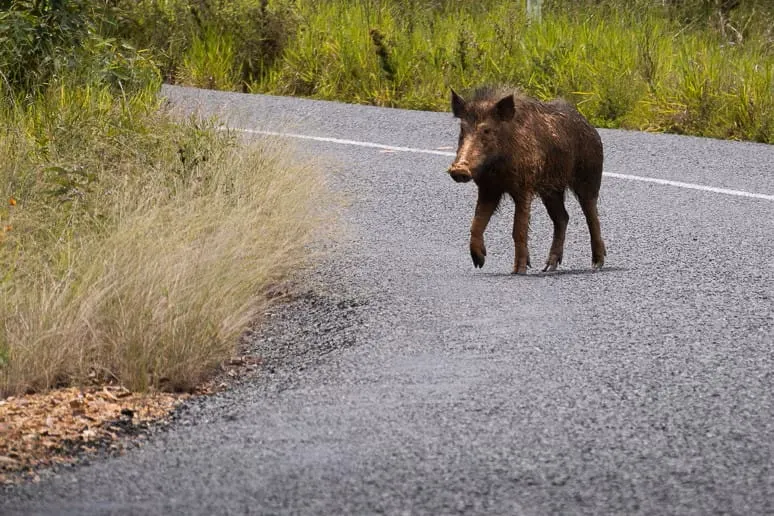
A proposed $300 million investment in feral animal control has been welcomed by Hawkesbury MP Robyn Preston, who says local farmers are increasingly concerned about the growing impact of feral pigs on agricultural land, waterways and livestock.
The funding commitment was announced by NSW Opposition Leader Kellie Sloane, NSW Nationals Leader Gurmesh Singh and Shadow Agriculture Minister Brendan Moylan as part of a broader biosecurity and pest management package aimed at protecting the state's $25.5 billion agricultural sector.
Feral pigs have long been a concern in parts of the Hawkesbury, particularly in areas adjoining national parks, Crown land and remote bushland where populations can expand rapidly and spread across multiple properties.
The Opposition says the proposed investment would fund more boots on the ground, expanded aerial shooting programs, improved trapping systems, thermal imaging and drone technology, exclusion fencing and permanent regional rapid response teams to tackle outbreaks before populations become established.
The package would also include a trial feral pig bounty scheme, increased support for baiting and trapping programs, additional research into new control methods and stronger legal obligations on public land managers to address pest animal populations.
Member for Hawkesbury Robyn Preston said local landholders were already seeing the effects of feral pigs on farming operations.
"Our primary producers in Hawkesbury know all too well the damage feral pigs can cause to crops, pasture, waterways and livestock. They are a growing threat to agricultural productivity and the viability of farming businesses," Ms Preston said.
She said the proposed funding would provide practical support for landholders.
"This $300 million investment will deliver practical, on-the-ground action with better technology, stronger coordination and more resources to help landholders get on top of feral pig populations. Our farmers deserve support that delivers results, not more delays and excuses," Ms Preston said.
NSW Opposition Leader Kellie Sloane said feral pigs were causing significant damage across regional NSW by attacking newborn livestock, contaminating water sources and damaging fences, pasture and crops.
The proposal has also received support from the Invasive Species Council.
Chief Executive Officer Jack Gough said invasive species remain the leading driver of animal extinctions in Australia and represent one of the most serious threats to rivers, native ecosystems and agricultural landscapes.
"Numerous reviews have found that pest management in NSW is unstrategic, short term and underfunded. This needs urgent change," Mr Gough said.
The Hawkesbury's mix of agricultural land, river flats, bushland and national park interfaces makes effective pest management a constant challenge for many landholders. Farmers have long argued that coordinated control across public and private land is essential because feral animals do not recognise property boundaries.
The announcement comes as biosecurity issues increasingly feature in discussions about the future of agriculture, with farmers facing pressure from invasive species, disease risks, rising costs and changing environmental conditions.
Whether the proposal proceeds will depend on the outcome of the next NSW election, but the announcement signals that feral pig management is likely to remain a key issue for Hawkesbury farmers and rural landholders.
What the $300 Million Plan Includes
- More pest animal control officers on the ground.
- Five-year funding commitments for control programs.
- Expanded aerial shooting campaigns.
- Additional trapping and baiting programs.
- Thermal imaging and drone surveillance technology.
- Exclusion fencing for farms and environmental assets.
- Trial feral pig bounty scheme.
- Regional rapid response teams.
- Stronger obligations on public land managers.
- Increased research into new pest control methods.