There is something revealing about millions of people turning to ancient philosophy for help with modern life. We have more ways to communicate, organise and entertain ourselves than any previous generation, yet finding a little peace can feel like another job on an already crowded list.
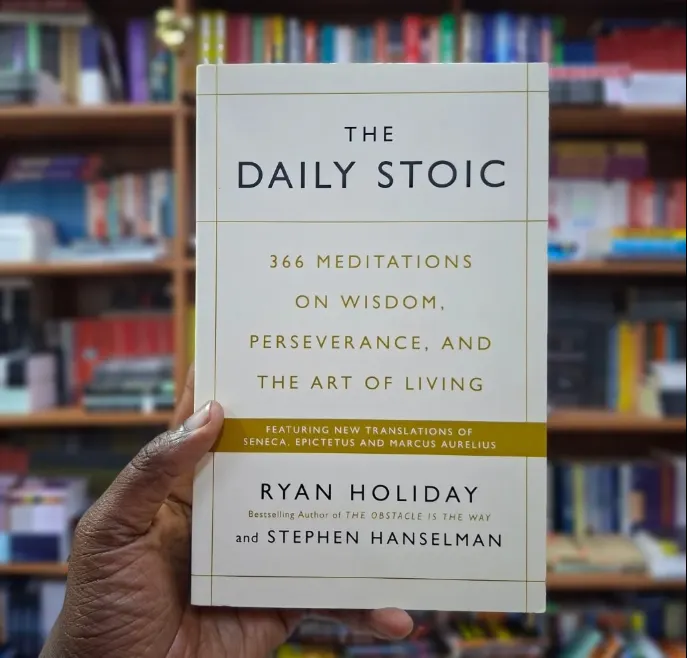
Into that world comes The Daily Stoic, a book offering one short reading for each day of the year. Its publisher reports sales exceeding three million copies. That success suggests a considerable appetite for something quieter than another promise to transform your life by next Tuesday.
Holiday and Hanselman draw on thinkers including the Roman emperor Marcus Aurelius, the statesman Seneca and Epictetus, who experienced slavery before becoming a teacher of philosophy. Each entry pairs an ancient passage with a modern explanation or practical reflection.
An observation in the January 1 reading captures the book’s central approach.
“The single most important practice in Stoic philosophy is differentiating between what we can change and what we can’t.”
For Hawkesbury readers familiar with floods, fires, rising bills and the long wait for promised infrastructure, that distinction may feel both sensible and difficult. Knowing that worrying will achieve little rarely stops us worrying. The book’s value lies in returning to the question of what we can usefully do next.
The format helps. A page can be read over breakfast, on the train or before opening the morning’s emails. Readers can sit with an idea without feeling obliged to master an entire philosophical tradition.
Its popularity makes sense in an age when outrage arrives continuously. Social media invites us to react immediately, compare ourselves relentlessly and form opinions about events far beyond our influence. The Daily Stoic asks readers to pause and examine their response.
There is relief in that invitation. There is also a challenge. Taking responsibility for our own behaviour means looking beyond the comforting assumption that everyone else is the problem.
The book has limitations. Holiday’s commentary can sound like familiar motivational advice, and readers seeking historical depth may find the daily extracts too brief. Separating passages from their original context makes the philosophy accessible while sacrificing some complexity.
Its emphasis on individual responses also deserves thought. Someone facing insecure housing, unaffordable care or a failing public service needs practical change as well as personal resilience. Acceptance can become resignation to circumstances that deserve collective action.
Read thoughtfully, however, the book encourages discipline, fairness and courage alongside composure. Those qualities can sustain someone challenging an injustice as much as someone enduring a difficult day.
Perhaps its bestseller status tells us that many people are tired of being constantly provoked and hurried. A small daily practice of reflection offers a manageable place to begin.
The Daily Stoic is an accessible companion for readers willing to question their habits and reactions. Some days its advice will feel obvious. On the day you most need it, an obvious truth may be precisely what you have forgotten.