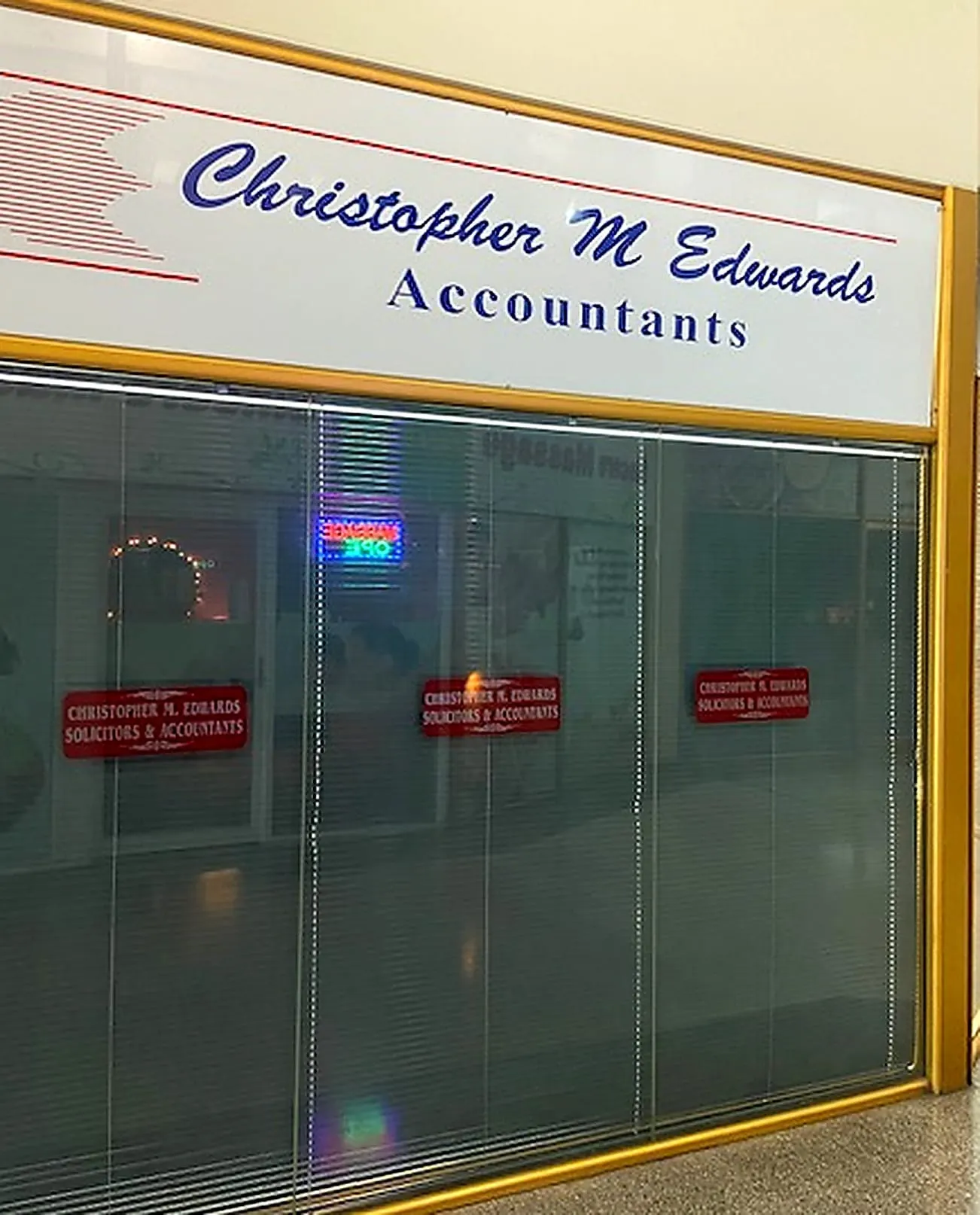
Following a directions hearing on 20 April 2026, the Court made timetabling orders by consent and listed the matter for hearing of ASIC's interlocutory application for the appointment of provisional liquidators on 19 August 2026. That hearing date now looms as a critical moment for investors hoping to see independent oversight of the companies' affairs.
For the dozens of Hawkesbury residents who invested their life savings, and in many cases their superannuation, with Richmond solicitor and accountant Christopher Malcolm Edwards, the legal proceedings now underway in the Supreme Court of NSW can feel bewildering and slow.
Directions hearings, interlocutory applications, provisional liquidators, and timetabling orders by consent. What does any of it actually mean? And crucially - does it bring victims any closer to getting their money back?
Here is a clear breakdown of where things stand and what the critical August 19 hearing could mean for those who have lost money.
What Has Already Happened in Court
When ASIC applied to the Supreme Court in late March 2026 to wind up the 12 companies associated with Edwards, the very first court date — April 13, 2026 — was not a hearing about whether those companies should be wound up. It was what is known as a 'directions hearing': a procedural step where a judge makes administrative orders about how the case will run.
A directions hearing is a procedural court hearing where the Court makes case-management orders, and is not a hearing to determine the merits of ASIC's application. In other words, the April hearings were about scheduling and process not about guilt or innocence, not about money.
The directions hearing originally scheduled for 13 April 2026 was adjourned and relisted for 20 April 2026. Following that hearing, the Court made procedural orders by consent, setting a timetable for the parties to file evidence and submissions, and listed ASIC's application for the appointment of provisional liquidators to be heard at a one-day interlocutory hearing on 19 August 2026.
The phrase "by consent" is significant - it means Edwards and his companies did not fight the timetable. Both sides agreed to it, with ASIC agreeing to a timetable for the application to be heard promptly while allowing the defendants a fair opportunity to answer ASIC's case, particularly given the volume of ASIC's evidence.
What Is an "Interlocutory Application"?
The August 19 hearing is described as an 'interlocutory' hearing. This is legal shorthand for an interim or in-between step; it is not the final resolution of the case.
This is an interim application and is not the final hearing of ASIC's winding-up application. Any final hearing of ASIC's winding-up application would occur later on a separate timetable.
Think of it this way: ASIC is asking the Court for two things - a provisional step now (August 19), and the full outcome later. The August hearing deals only with the first step: whether independent liquidators should be put in charge of the 12 companies while the bigger question is resolved.
What Is a Provisional Liquidator And Why Does It Matter?
This is arguably the most important concept for victims to understand. A provisional liquidator is not a final outcome, but its appointment would mark a very significant turning point.
A provisional liquidator is an independent external administrator who may be appointed by the Court to take control of a company on an interim basis. If appointed and subject to the terms of any orders the Court may make, a provisional liquidator may assess the company's affairs, protect assets and report to the Court while the Court considers ASIC's winding-up application.
Put simply: if the Court agrees on August 19, professional, court-appointed insolvency practitioners - with no connection to Edwards - would take over the running of all 12 companies. They would have the power to examine the books, freeze assets, stop any further money from flowing out, and prepare a report for the Court on the true state of the companies' affairs.
For victims who have spent months trying to get basic answers about where their money went, this would represent the first time an independent set of eyes would be placed on these companies' financial records.
ASIC will contend that there needs to be an independent assessment of the companies' affairs and that provisional liquidators should be appointed to protect the interests of creditors and investors pending the final hearing of ASIC's winding-up application.
Why Is ASIC Pushing for This Now, Before the Final Hearing?
ASIC's concerns, filed with the Court, explain urgently why it cannot simply wait for a final winding-up hearing at some later date.
ASIC holds concerns about the management and affairs of the 12 companies. These include that the companies continue to raise funds in circumstances where the application of money raised from investors is unclear; the companies have significant unsecured interest-bearing liabilities to investors that substantially exceed the known assets of the companies; the companies have failed to comply with statutory obligations to prepare and lodge audited financial statements for the financial years ended 30 June 2022 to 30 June 2025; and the companies show limited signs of business income or commercial activity, and developments associated with the companies have not progressed.
The blunt implication: ASIC believes the companies may still be taking money from investors, that their debts to investors far exceed their known assets, and that without intervention, the situation could worsen before the final hearing occurs. Every week without independent oversight is potentially another week of assets being eroded or obscured.
What Happens if the Court Agrees on August 19?
If the judge grants ASIC's application and appoints provisional liquidators on August 19, several things would follow relatively quickly:
Control shifts immediately. The provisional liquidators, not Edwards would take over management of all 12 companies. Edwards would lose the ability to direct those entities.
An independent audit begins. The provisional liquidators would be tasked with investigating what assets exist, what liabilities are owed to investors, and what has happened to the money raised.
Assets may be protected. The provisional liquidators could freeze accounts, secure property, and prevent further dissipation of whatever funds remain.
Investors get a point of contact. ASIC has confirmed that if provisional liquidators are appointed, its dedicated webpage will be updated to provide further information about who to contact and how investors might direct inquiries to them.
The bigger picture becomes clearer. The provisional liquidators would report back to the Court, giving the judge and potentially investors a far clearer picture of the true financial state of the companies than currently exists.
What Happens if the Court Refuses?
If the Court declines to appoint provisional liquidators on August 19 which remains a legal possibility, the case does not end. It simply means the matter moves to the final winding-up hearing on a separate timetable, with the companies remaining under Edwards' control in the interim. ASIC would still be able to pursue the full winding-up case. However, for investors, a refusal would likely mean further delays before any independent oversight begins.
The Crucial Limitation: Recovering Money Is a Separate Question
It is important for victims to understand what even the best outcome on August 19 does not guarantee. The appointment of a provisional liquidator is a protective step it does not automatically mean money is recovered.
ASIC does not hold or manage investor funds. If the Court appoints an external administrator such as a provisional liquidator or liquidator, that independent appointee will assess the companies' affairs and determine what action may be taken in accordance with the law.
How much, if anything, can ultimately be recovered for investors will depend on what assets the provisional liquidators actually find - and whether those assets are sufficient to meet the debts owed. With significant unsecured interest-bearing liabilities to investors that substantially exceed the known assets of the companies, that question remains deeply uncertain.
The Road Ahead
August 19 is not the end of this story - it is the next major chapter. After that hearing, depending on the outcome, the case will move to a final winding-up hearing on a timetable still to be set.
ASIC's investigation and any related court proceedings are ongoing. The Court will consider ASIC's application, including whether to appoint provisional liquidators.
For investors who have been waiting - some of them elderly, some fearing they may lose their homes - August 19 represents the most concrete opportunity yet for independent oversight to begin. Whether the Court agrees with ASIC's case will be the defining moment of 2026 in this saga.
If you believe you are an investor in any of the 12 companies, ASIC urges you to make contact: 📧 Edwards.investigation@asic.gov.au 📞 ASIC Infoline: 1300 300 630
For free financial counselling: National Debt Helpline — 1800 007 007 For free legal advice: Community Legal Centres Australia — clcs.org.au For mental health support: Lifeline — 13 11 14 | Beyond Blue — 1300 22 4636
This article is for informational purposes only and does not constitute legal or financial advice. Christopher Edwards denies any wrongdoing and has the right to contest all proceedings.