New federal legislation allowing the creation of defence security zones has put the balance between military security and public access under scrutiny, with potential implications for communities surrounding bases such as RAAF Richmond.
The Defence Legislation Amendment (Accelerating Capability and Protecting Bases) Bill 2026 passed Parliament with government and Coalition support this month, following a parliamentary process criticised by legal experts and crossbenchers.
The changes establish a consolidated security framework for Defence facilities, personnel, information and activities, including operations beyond traditional military bases.
The government says existing arrangements have not kept pace with technological change and emerging threats, particularly incursions by drones. A separate part of the legislation supports the development, testing and preparation of defence capabilities.
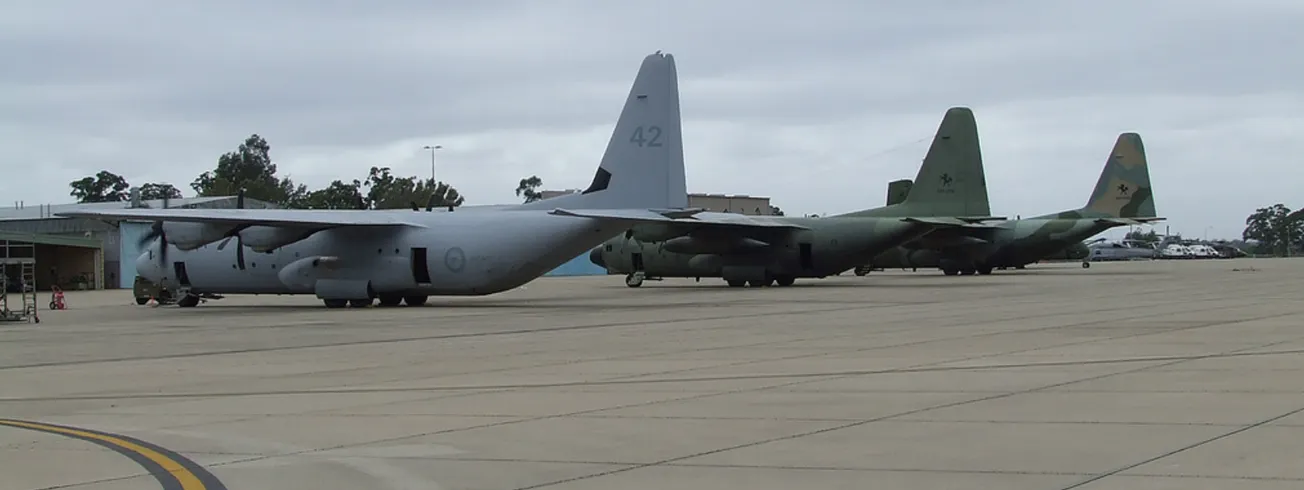
For the Hawkesbury, the local focus is RAAF Base Richmond, home to Australia’s C-130J Hercules transport aircraft and units responsible for airbase operations, training and aeromedical evacuation.
The material reviewed for this story does not establish that an expanded security boundary has been declared around Richmond or that nearby public roads, homes or businesses face new restrictions.
However, the framework raises questions about how any future local restrictions would be communicated to residents, businesses, visitors and journalists.
According to Defence’s published explanation, security zones can be permanent, temporary, mobile or established in emergencies. They can apply to training grounds, industry facilities and other places where defence activities require protection.
Restrictions can cover entry, photography, drones and specified activities. Authorised powers include identity checks, limited searches, removal and detention pending handover to police.
Defence says declarations must be reasonably necessary for a defence security purpose and that the framework does not create unrestricted authority to establish arbitrary exclusion zones.
The ABC reports that unauthorised entry offences can attract maximum penalties of two years’ imprisonment, rising to seven years for special defence security zones protecting particularly sensitive facilities.
The government has emphasised the need to respond to uncrewed systems, including drones operating over sensitive sites.
Announcing the legislation in October, Defence ministers said it would provide enduring authority to detect, identify, monitor and track those devices and, where necessary, take countermeasures with safety safeguards.
But the Law Council of Australia has questioned the speed and depth of scrutiny.
“A public consultation period of three business days is insufficient to provide civil society with enough time to comprehensively review this Bill’s 231 pages,” president-elect Elizabeth Shearer said.
The council raised concerns about the potential inclusion of privately owned facilities, the breadth of the security official framework and limited transparency around some declarations. It also questioned how people would know about emergency and mobile zones before encountering restrictions.
Defence says powers cannot be exercised simply because someone is participating in protest, journalism, dissent or industrial activity. It also points to statutory limits, training requirements and independent oversight by the Inspector-General of the Australian Defence Force.
Critics nevertheless argue that the legislation’s breadth and rapid passage leave important questions about its operation unanswered.
For communities around Richmond, the practical issue will be how the framework is implemented: where any additional boundaries apply, what activities require permission and how people can obtain clear information about their rights and responsibilities.