A growing national debate over who should pay when investments collapse is raising serious questions for Hawkesbury residents, particularly older Australians relying on their retirement savings.
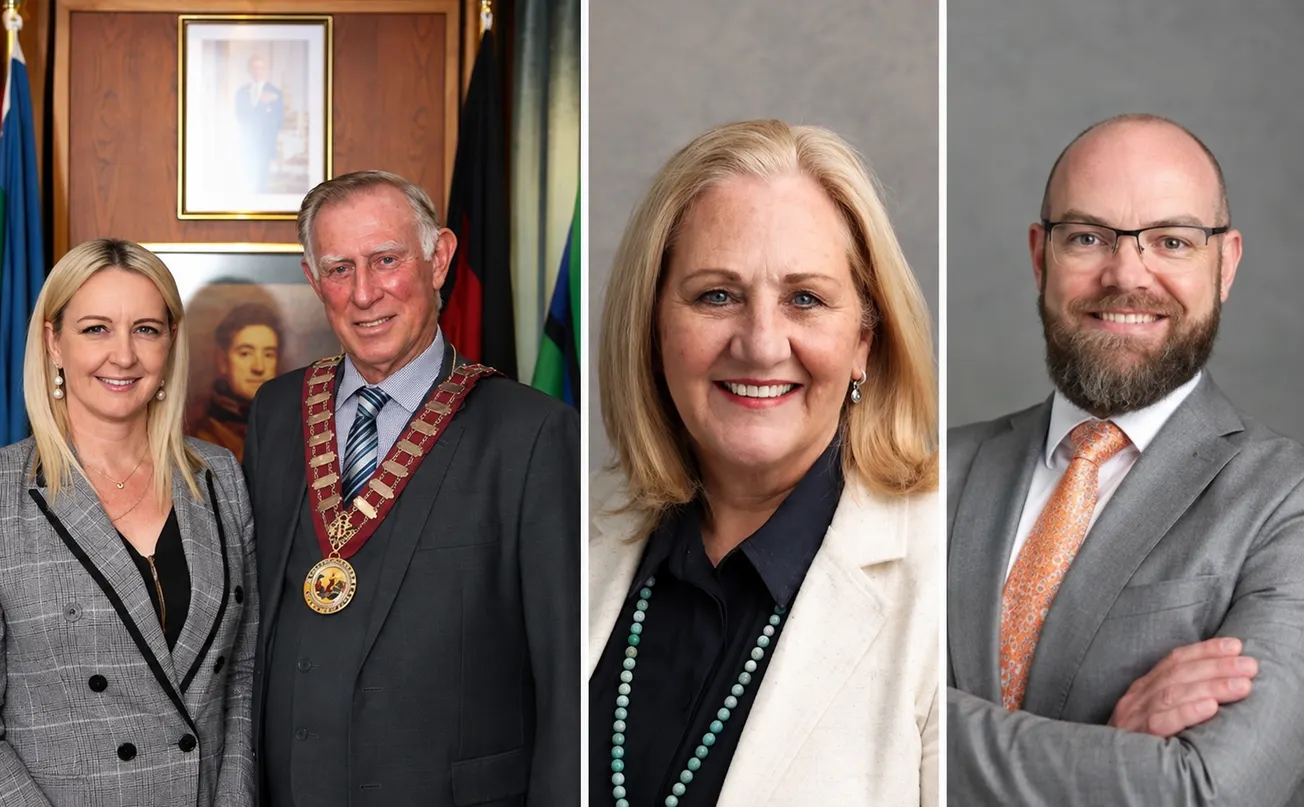
The issue has come sharply into focus following the collapse of the Shield and First Guardian investment schemes, and locally Richmond Accountant Chris Edwards Self Funded Superannuation investment companies which have left investors facing significant losses and exposed potential gaps in Australia’s financial safety net.
At the centre of the discussion is the Compensation Scheme of Last Resort (CSLR) a government-backed mechanism designed to compensate clients when licensed financial advisers fail and no other avenue for recovery exists.
But recent events have placed the scheme under intense strain, prompting calls for reform and a broader question:
Should investors themselves be required to help fund the system meant to protect them?
A Safety Net Under Pressure
The CSLR was established as a last line of defence for consumers, particularly those who have suffered financial loss due to misconduct or failure within the financial advice sector.
However, the scale of losses linked to recent investment collapses is expected to exceed the scheme’s current capacity.
For many investors, this has come as a shock.
While the scheme offers some protection, payouts are capped at $150,000 per claim, meaning significant losses may never be fully recovered.
In many cases tied to the recent collapses, investors had been encouraged, sometimes aggressively, to move funds out of regulated superannuation environments into higher-risk investment vehicles, often through Self-Managed Super Funds (SMSFs).
When those investments failed, the limits of the compensation system became clear.
Who Should Pay?
Traditionally, the CSLR has been funded by levies on the financial advice sector.
But with claims rising sharply, the Federal Government is now considering expanding the funding base, potentially requiring contributions from a much broader group, including superannuation members and SMSF investors.
The proposal has sparked significant push-back.
Industry groups argue that asking everyday superannuated persons to cover the cost of failures linked to specific high-risk investment schemes is neither fair nor sustainable.
For Hawkesbury residents, many of whom rely on superannuation as their primary retirement asset, the idea of being asked to contribute to losses they had no involvement in is raising concern.
Lessons for Local Investors
The situation also highlights broader risks around financial advice and investment decisions.
Many of the affected investors were:
- retirees or near-retirees
- seeking higher returns
- and relying heavily on professional advice
In some cases, advisers were found to have operated with conflicts of interest or insufficient transparency around risks.
For communities like the Hawkesbury with a growing ageing population, these issues are particularly relevant.
Financial security in retirement is not just a personal matter, but a community one, with flow-on impacts for families, local services and economic stability.
Accountability and Trust in Focus
The debate over the CSLR also intersects with broader questions of accountability and public trust, issues that have been playing out locally as well.
The recent Chris Edwards matter has underscored the importance of oversight and transparency in positions of responsibility.
While the circumstances differ, the underlying principle is the same: systems only work when trust is maintained, and when failures occur, there must be clear accountability.
Proposed Changes on the Table
The Federal Government has released consultation papers outlining potential reforms to the CSLR. Follow the link to access the documents https://consult.treasury.gov.au/c2026-725938
The consultation paper includes:
- introducing a special levy when funding caps are exceeded
- expanding the range of contributors to the scheme
- and requiring SMSF investors to opt in if they wish to be eligible for compensation
Supporters argue these measures are necessary to ensure the scheme remains viable. Critics warn they could unfairly shift the burden onto individuals who had no role in the failures.
What It Means for Hawkesbury
For local residents, the issue is not theoretical. With an ageing population and increasing reliance on retirement savings, the strength of financial protections matters.
Many Hawkesbury families have worked for decades to build financial security, often through superannuation and property. The idea that those savings could be exposed and only partially protected raises real concerns.
Consultation on the proposed changes is now underway, with stakeholders across the financial sector, advocacy groups and the broader community invited to provide input.
For Hawkesbury residents, this represents an opportunity to have a voice in shaping how financial protections operate in the future.
National Seniors is polling seniors for their response to the proposals. Follow the link to respond. https://nationalseniors.com.au/news/featured-news/should-investors-contribute-to-compensation-scheme
National Seniors Hawkesbury Branch is meeting April 30 at Windsor Library Stan Stevens Room at 9:30am to 12:30pm
The branch meets on the last Thursday of every month at this time and location and everyone is welcome to attend.