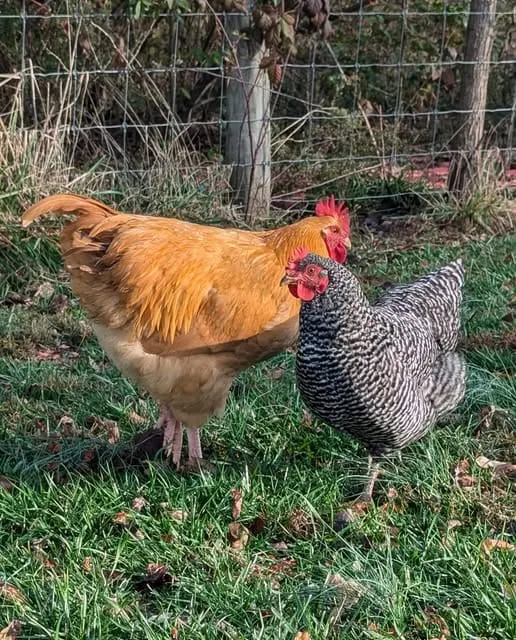
Commercial poultry farms are strengthening biosecurity while Hawkesbury residents with backyard chooks are being urged to take simple precautions to protect their birds from contact with wild birds.
The Hawkesbury’s poultry industry and thousands of household chook owners are being asked to remain vigilant following the first confirmed detections in NSW of the serious H5 strain of avian influenza.
Two cases have been confirmed in giant petrels found near Hawks Nest on the Mid-North Coast. As of the NSW Government’s latest update on August 3, bird flu had not been detected in commercial poultry, captive birds, backyard flocks or other birds in NSW, and there was no evidence of mass wildlife deaths or spread to other animals.
The risk to people remains low, but the virus has caused extensive deaths among poultry, wild birds and some mammals overseas.
For the Hawkesbury, the arrival of H5 bird flu in NSW is particularly significant because poultry meat, eggs and specialty birds have long formed an important part of the district’s agricultural economy.
Hawkesbury City Council’s Rural Lands Strategy, using 2016 agricultural data, listed poultry meat and eggs among the LGA’s five leading agricultural commodities.
At that time, the Hawkesbury was ranked as Australia’s eighth-largest local government area for egg production, producing an estimated 2.3 per cent of national output and 7.3 per cent of NSW production.
The district was also ranked fifth nationally for “other poultry”, including ducks, turkeys and geese, accounting for an estimated 4.3 per cent of Australian production. These figures are now historical and should not be taken as a current valuation, but they demonstrate the industry’s longstanding importance to the Hawkesbury.
Commercial farms strengthen controls
Following the first NSW detection on July 4, the NSW Government activated its H5 Bird Flu Response Plan.
Commercial poultry producers were advised to introduce heightened biosecurity and, where practical and consistent with animal welfare, voluntarily house free-range poultry as a precaution.
The Government also increased aerial and ground surveillance in higher-risk areas, deployed additional personnel and began coordinating the response through the State Coordination Centre at the Orange Agricultural Institute. More than 500 government staff had been trained to assist with the response.
For commercial farms, enhanced biosecurity can include restricting visitors, controlling vehicle movements, disinfecting equipment and footwear, protecting feed and water from contamination and reducing contact between poultry and wild birds.
The virus can be carried onto farms through infected wild birds, but it can also travel on contaminated shoes, clothing, vehicles, equipment, egg cartons, water and other materials. It can remain in droppings, respiratory secretions, feathers and contaminated water.
There is presently no NSW-wide compulsory order requiring all backyard chooks to be confined. The precautionary housing recommendation announced by the Government was directed to commercial free-range producers and was described as voluntary.
However, household flock owners can adopt many of the same protective principles being used by large farms.
Backyard chooks part of Hawkesbury life
Domestic chooks are a familiar sight across the Hawkesbury.
They are kept on rural properties, residential blocks and small acreages for eggs, companionship, pest control and the recycling of household food scraps.
A backyard flock may contain only three or four hens, but those birds can still become infected if they mingle with wild birds or come into contact with contaminated water, feed, footwear or equipment.
The Australian Government advises owners to prevent domestic birds from accessing ponds, creeks and other water sources used by wild birds. Netting, roofed runs or temporary confinement in a secure coop can reduce contact where wild birds regularly enter a property.
This is particularly relevant in the Hawkesbury, where many properties are located close to the river, farm dams, wetlands and floodplain areas frequented by ducks and other waterbirds.
How to keep backyard chooks safe
Backyard poultry owners should keep feed in sealed containers and place food and water under cover so that wild birds cannot perch over them or contaminate them with droppings.
Mains water or clean bore water is preferred. Chooks should not be given untreated surface water from dams, ponds, creeks or rivers where wild birds congregate.
Coops, feeders and drinkers should be regularly cleaned. Equipment should not be shared between properties unless it has first been thoroughly cleaned and disinfected.
Owners should also:
- restrict unnecessary visitors from entering poultry areas;
- use dedicated boots or shoes inside the chook run;
- wash hands before and after handling birds and eggs;
- clean footwear after visiting another property with poultry;
- keep wild birds away from feed, nesting areas and water;
- quarantine newly purchased birds for at least 30 days; and
- avoid buying birds that appear sick or come from an unknown source.
New birds should be obtained from a reputable breeder or producer whose flock health is known. Birds returning from poultry shows or exhibitions should also be separated from the home flock before being reintroduced.
Signs owners should watch for
Bird flu often affects several birds in a flock at once.
Warning signs can include:
- sudden or unexplained deaths;
- birds becoming unusually quiet or unwilling to eat or drink;
- ruffled feathers or a drooping appearance;
- swelling around the head or legs;
- bruising or discolouration of the comb, wattles or feet;
- coughing, sneezing, panting or nasal discharge;
- diarrhoea;
- difficulty walking or standing;
- unusual twisting of the head or neck; and
- a sudden fall in egg production.
Avian influenza cannot be diagnosed by appearance alone. Laboratory testing arranged through a veterinarian or government animal-health officer is required.
Do not pick up sick or dead birds
Residents who find sick or dead wild birds should not touch them.
The NSW Government’s advice is to avoid contact, photograph or record what has been found from a safe distance and note the location.
Sick or dead domestic birds, backyard poultry, pet birds, wild birds or marine mammals can be reported through the NSW online reporting system or to the 24-hour Emergency Animal Disease Hotline on 1800 675 888.
Reports are assessed according to the species, number of animals affected, location and disease risk. Not every report will result in collection or testing, but NSW authorities may contact the person reporting the incident if further investigation is needed.
Children and pets should be kept away from dead or visibly sick wildlife.
Owners who notice illness in their own flock should isolate the affected birds where this can be done safely, avoid moving birds or equipment off the property and telephone their veterinarian or the Emergency Animal Disease Hotline immediately.
Bird flu is a notifiable animal disease, meaning suspected infection must be reported.
Eggs and chicken remain safe to buy
The NSW Government has said the current detections have not affected commercial poultry or the supply of chicken meat and eggs.
Consumers have been encouraged to continue purchasing poultry products normally.
For Hawkesbury households, the message is not to panic or abandon backyard poultry keeping.
Instead, residents should treat their chook pen as a small farm: control what enters it, keep wild birds away from feed and water, maintain good hygiene and report unusual illness or deaths quickly.
With commercial producers tightening their controls, backyard flock owners also have an important role in protecting the Hawkesbury’s wider poultry industry.