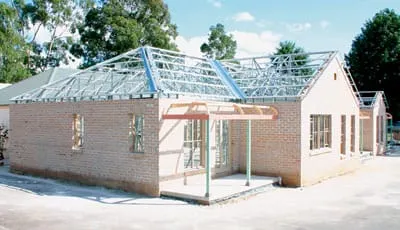
Australians are turning away from newly built homes as high interest rates, rising construction costs and declining confidence place increasing pressure on buyers and builders.
The national slowdown has implications for growth areas surrounding the Hawkesbury, where new construction is expected to accommodate an increasing population and ease pressure on the established housing market.
According to a September 16 report by SBS News journalist Mikele Syron, national new-home sales fell by 10 per cent during August.
Housing Industry Association data cited by SBS showed sales were 19.3 per cent lower during the three months to August than in the preceding quarter.
Sales have declined for four consecutive months and are now at their lowest level in more than a year.
The fall was recorded across all five mainland states surveyed by the HIA. New-home sales in NSW declined by 17.5 per cent over the quarter, behind falls of 27 per cent in Victoria and 20.2 per cent in Queensland.
The survey tracks sales reported by large-volume builders and is regarded as an indicator of future detached-house construction.
For the Hawkesbury and neighbouring north-west growth areas, fewer new-home purchases could eventually translate into fewer construction starts, reduced work for local tradespeople and continuing competition for established properties.
However, the HIA figures reported by SBS did not include a Hawkesbury-specific breakdown, so the national and NSW results should not be interpreted as a direct measurement of local sales.
HIA chief economist Tim Reardon warned that the reduction in sales during 2026 would mean fewer houses beginning construction in 2027.
Independent property economist Cameron Kusher told SBS that new homes commonly attracted a price premium over established properties. Buyers with reduced borrowing capacity were consequently questioning whether they should pay more for a newly completed house when an older property may be available for less.
Cotality research director Tim Lawless said the slowdown extended beyond new construction. Cotality estimated that sales across the wider Australian housing market were about 15 per cent lower during winter than a year earlier and 11 per cent below the five-year average.
Sydney was among the markets recording a fall of more than 20 per cent compared with the previous winter.
Higher material and labour costs have made new homes more expensive to deliver, while increased borrowing costs have reduced the amount households can obtain from lenders.
Developers may also require a minimum number of pre-sales before lenders will finance construction. This means declining buyer commitments can cause projects to be delayed or abandoned even when there remains strong underlying demand for housing.
The result is a difficult contradiction: Australia needs more homes, but many prospective buyers cannot afford the new properties being offered.
The slowdown could also make it more difficult to achieve the National Housing Accord’s target of 1.2 million well-located homes during the five years ending in June 2029.
For Hawkesbury buyers, the changing market may strengthen the appeal of established homes, particularly where purchasers are willing to renovate gradually. New homes can offer greater energy efficiency, modern design and reduced initial maintenance, but buyers must weigh those benefits against construction premiums, finance costs and possible building delays.
The full national analysis was published by SBS News under the headline “Australians are rejecting the very homes the country needs”. Statistics and expert observations in this report have been attributed to that article and its identified sources.