Residents living along the edge of the Grose Valley and the upper Hawkesbury region are being warned they could face significantly increased helicopter traffic and aircraft noise under a controversial proposal linked to Western Sydney International Airport.
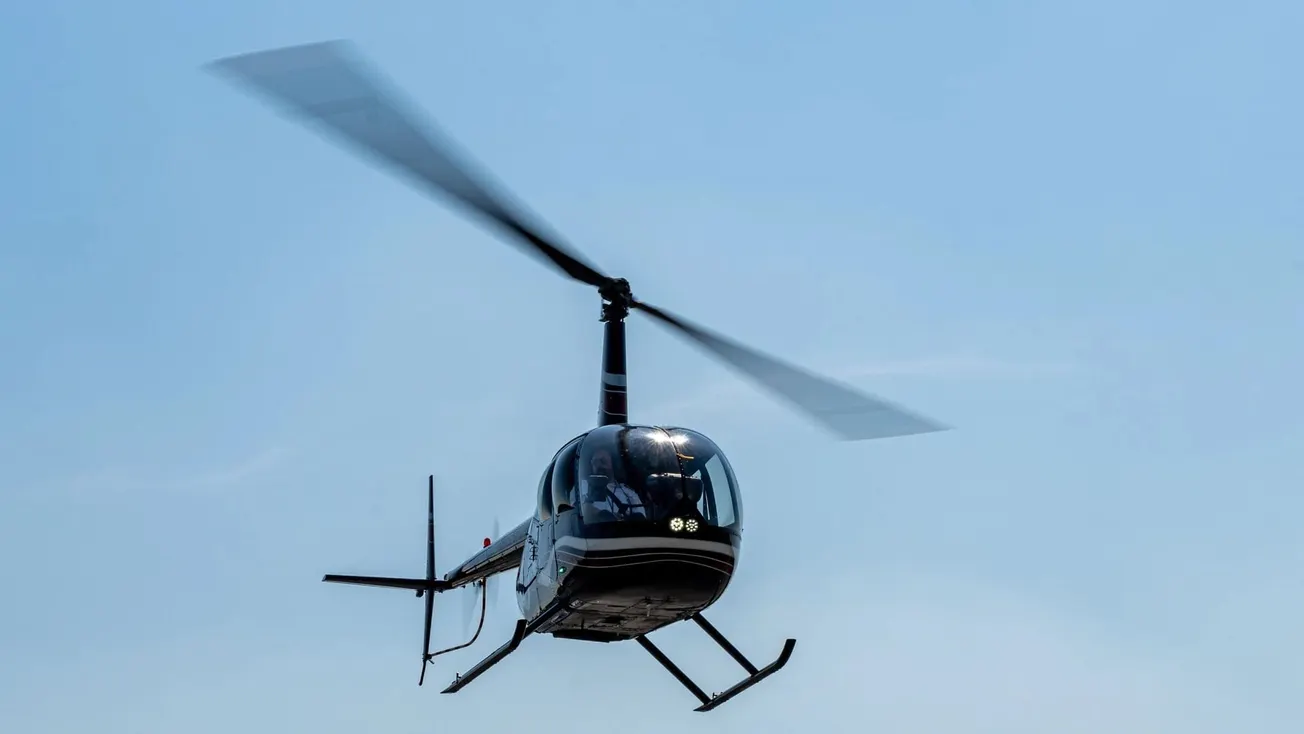
Community campaign group “Blue Mountains Demand Airport Curfew” has circulated concerns regarding a proposal lodged by Emirates for expanded helicopter operations servicing the Emirates One&Only Wolgan Valley luxury resort.
According to campaign material distributed to residents, the proposal seeks approval for up to:
- 210 helicopter movements per week,
- including 105 inbound and 105 outbound flights,
- equating to approximately 30 helicopter movements per day.
Critics argue the increased helicopter activity could significantly impact communities throughout the lower Blue Mountains, while also affecting residents in the Kurrajong and Bilpin districts bordering the Grose Valley wilderness areas.
The concerns come amid broader changes to regional airspace arrangements associated with the opening of Western Sydney International Airport in July 2026.
“Vertical sandwich” airspace concerns
Community groups claim new airspace rules connected to the airport will restrict helicopter movements to a narrow altitude corridor, described by campaigners as a “vertical sandwich” across parts of the lower Blue Mountains.
According to the campaign material, from 9 July 2026 helicopters operating in parts of the Blue Mountains may be required to fly at or below 2,500 feet above mean sea level in order to remain separated from commercial flight paths servicing the new airport.
Residents fear the combination of increased helicopter traffic, lower operating altitudes and concentrated flight corridors could significantly increase aircraft noise across mountain communities and wilderness areas.
Campaigners argue helicopter pilots frequently use the Great Western Highway as a visual navigation reference, potentially concentrating flights over populated areas.
Concerns have also been raised that flight diversions away from residential areas could instead shift noise impacts into environmentally sensitive national park and wilderness areas connected to the Grose Valley system extending toward Bilpin and Kurrajong.
Questions over need for expanded helicopter operations
Opponents of the proposal argue the scale of helicopter traffic being proposed is unnecessary given Wolgan Road is reportedly expected to reopen later this year following earlier closure and flood-related impacts.
Campaign material distributed to residents claims the proposal effectively amounts to the establishment of a private heliport operation and should therefore be subject to a more comprehensive Environmental Impact Statement process.
Why it matters to the Hawkesbury
While much of the public discussion has centred on the Blue Mountains, the issue is also highly relevant to upper Hawkesbury residents.
Communities including Bilpin, Kurrajong Heights, Kurrajong, Grose Vale and Grose Wold and surrounding Bells Line of Road districts sit close to the Grose Valley wilderness corridor and are expected to experience increasing aircraft activity associated with the operation of Western Sydney International Airport.
For many residents, concerns extend beyond noise alone and include environmental impacts, wilderness preservation, tourism amenity and long-term changes to the character of mountain communities traditionally valued for their natural quietness.
The debate reflects growing regional concern about how expanding aviation infrastructure around Western Sydney may reshape life across both the Blue Mountains and Hawkesbury districts in the years ahead.