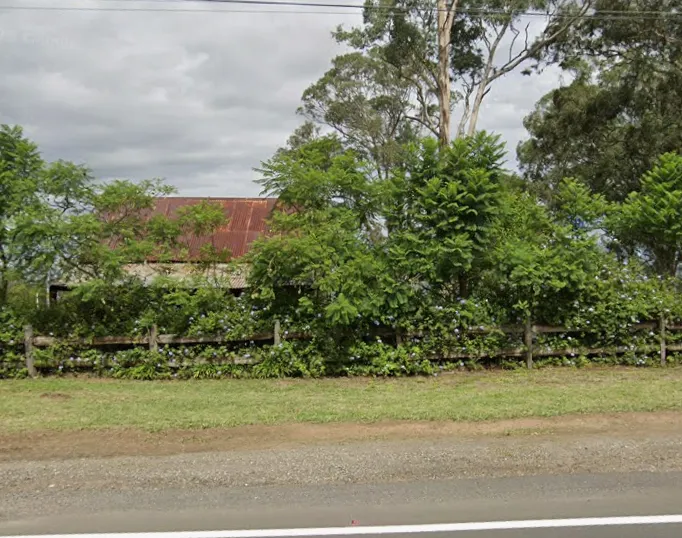
A Kurmond homeowner has urged Hawkesbury City Council to defer a proposal to heritage-list 25 properties linked to the Soldier Settlement Scheme, saying he learned only last week that the cottage he and his late wife renovated was among them.
Gerry Bentvelzen says his wife, Vera Machtolf-Bentvelzen, spent years interviewing families and collecting photographs for her 2007 book, Diggers’ Hill: Surviving on a Soldier Settlement Farm.
Her interest began when the couple bought and renovated a former soldier settlement cottage on Bells Line of Road and began looking into the lives of the people who had lived there.
In a letter to councillors, Mr Bentvelzen said Council had drawn on the book in preparing planning proposal LEP005/26 and attached the full publication to its reports. He said Council had never approached him to discuss the research or the history of their home.
“Vera wrote her book to record those stories and preserve the history of the people involved,” he wrote.
The book documented the hardships facing returned soldiers who tried to establish farms in the district. Mr Bentvelzen said many struggled to make a living from their holdings and sold or surrendered them. He said he remained proud of his wife’s work and wanted that history preserved.
Mr Bentvelzen said a notice in his letterbox last week was the first he had heard of the proposal. He has asked to address councillors when they consider item 10.1.1 on Tuesday, 17 November, and wants them to defer a decision until affected owners have had time to review the assessments and respond.
How were the properties assessed?
Mr Bentvelzen said the couple’s cottage had been extensively renovated and questioned how Council had assessed those alterations. He said nobody from Council had contacted him to arrange an inspection. He has asked for the inspection records, photographs and heritage assessment for his home, and wants Council to explain how it selected 25 properties in Kurmond and Kurrajong from the 47 lots he says his wife identified.
In his letter, Mr Bentvelzen said the Hawkesbury Local Planning Panel had unanimously recommended on 15 October that owners receive four weeks’ notice and a copy of the proposed report before councillors considered it, with an opportunity to address them.
He said the panel had also called for guidance on how listing could affect future work, more detail on the heritage consultation already undertaken, and Council-funded structural assessments in consultation with owners before public exhibition, with each owner receiving the engineer’s report.
According to Mr Bentvelzen’s letter, Council staff recommend sending the proposal to the NSW Government for a Gateway determination. At Gateway, the State assesses whether the proposal should proceed to public exhibition and can set conditions for further work and consultation. The properties would face statutory heritage controls only if the proposed amendment to the local environmental plan were made.
Mr Bentvelzen wants affected owners to have a say before Council decides whether to take that first step.
“I ask every Councillor to consider whether they would regard this process as fair if it were their own home being proposed for heritage listing, with only days’ notice and no meaningful opportunity to be heard,” he wrote.
The ordinary council meeting is scheduled for 6.30pm on Tuesday, 17 November. webcast.hawkesbury.nsw.gov.au

EXPLAINER: Why the Planning Panel recommended Mr Bentvelzen and other impacted land owner receive 4 weeks notice of Council's proposal.
Procedural fairness, also called natural justice, is a core principle of government administration. The hearing rule calls for people affected by a decision to know the substance of the case affecting them and have a meaningful opportunity to respond.
The rule against bias requires decision-makers to approach the matter impartially and with an open mind. A written submission can provide a fair hearing if the person has enough information and time to respond and the decision-maker genuinely considers what they say.
Section 8A of the NSW Local Government Act says councils should act fairly, ethically and without bias, make decisions transparently and actively engage their communities.
How did Council breach the rule of procedural fairness?
Mr Bentvelzen says nobody from Council contacted him to arrange an inspection or discuss the substantial renovations to his former soldier settlement cottage. He has asked for the inspection records, photographs and heritage assessment for his home. He also wants to know how Council selected 25 properties from the 47 lots he says his late wife, Vera Machtolf-Bentvelzen, identified in her research.
The Hawkesbury Local Planning Panel is an independent panel that decides certain development applications and gives Hawkesbury City Council advice on proposed changes to local planning rules. It typically has four members: a chair, two independent experts and a community representative. The panel is convened by Council and must comply with the rule of procedural fairness.
Hawkesbury Local Planning Panel recommended giving affected owners four weeks’ notice, sharing the proposed Council report and allowing them to address councillors before the matter was considered. This is a typical time frame government uses to ensure it gives fair notice.
On Mr Bentvelzen’s account, Council’s timetable denied him the practical benefit of procedural fairness. A few days’ notice leaves little time to check a heritage assessment, gather renovation records or correct factual errors in reports that may have taken months for Council to prepare.
The cost to rate payers of convening a planning panel is estimated to be up to $10,000 per meeting. This is unverified. Council has previously reported that it pays for the panel’s operations, including staff work to prepare papers, notify stakeholders and organise meetings.
COMMENTARY
When Council fails to give residents a fair chance to be heard, it treats them with disrespect and causes avoidable distress. It also wastes residents’ and Council staff’s time and can leave ratepayers footing the bill for work that has to be done again.
The General Manager Will Barton is responsible for the administration of Council and therefore ensuring compliance with this core principle of public administration.