ANALYSIS
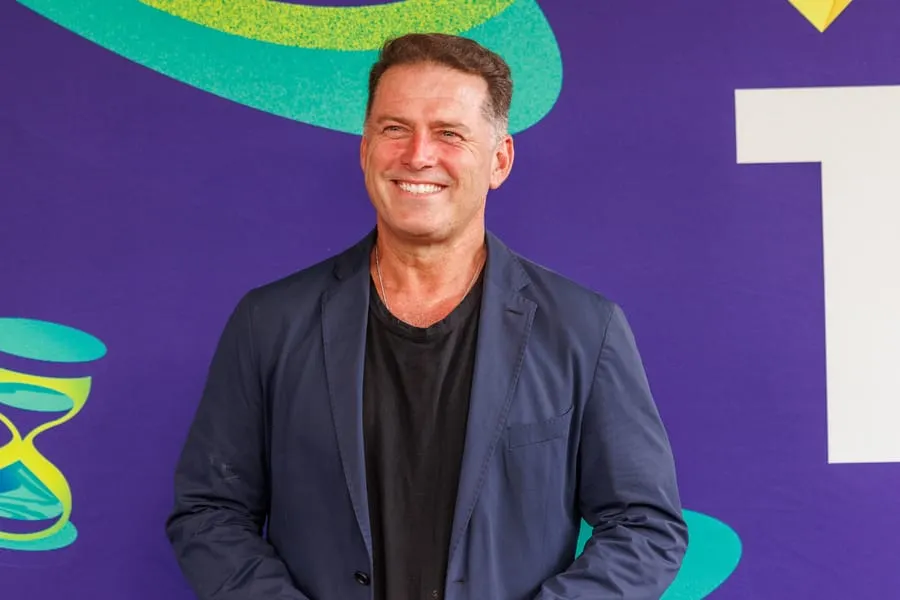
Karl Stefanovic’s abrupt exit from the Nine Network has become more than a celebrity media story.
It has become a national argument about free speech, editorial responsibility, media ownership and the consequences of giving a platform to extremist voices.
The veteran Today host was already expected to leave Nine at the end of the year. Instead, his departure was brought forward immediately after a controversial interview on his independent podcast with British far-right activist Tommy Robinson.
Nine said it was “no longer possible” for Stefanovic to continue hosting Today while also producing his independent podcast.
That distinction matters.
Stefanovic was not removed because he merely held a private opinion. He was removed after a public media product using his national profile created a reputational problem for the network that employed him as one of Australia’s best-known breakfast television presenters.
In his own video statement, Stefanovic cast the issue as one of free speech.
“I’m free,” he said, telling viewers his podcast was about allowing people to hear different perspectives and make up their own minds.
But Nine’s news leadership has pushed back against the idea that the decision was simply about silencing debate. The network said it supports open discussion, but within the bounds of constructive, balanced argument and the values expected of its journalists and presenters.
The immediate trigger was Stefanovic’s interview with Robinson, a British anti-Islam and anti-immigration activist who co-founded the English Defence League and has long been associated with far-right politics.
The interview was initially published, then removed from Stefanovic’s YouTube channel and podcast platforms. It later reappeared on Pauline Hanson’s YouTube channel, with the word “CANCELLED” added to the title.
Hanson, who has described Stefanovic as a friend, publicly offered him a job.
Prime Minister Anthony Albanese, who had previously appeared on Stefanovic’s podcast, said the situation was unfortunate but that “words do matter”.
Why Did He Go Now?
The key question is why Stefanovic left immediately, rather than serving out the remainder of his contract.
The answer appears to be that the Robinson interview changed the risk calculation for Nine.
Before the controversy, Stefanovic could remain on Today while preparing to leave the network later in the year. After the podcast backlash, Nine was faced with a different problem: whether its highest-profile morning presenter could continue fronting a mainstream news program while also operating an independent platform that was attracting criticism for its guest choices and editorial direction.
In modern media, the line between personal brand and employer brand has become increasingly blurred.
A television presenter with a large public profile is not simply an employee reading the news. Their public conduct, social media presence and outside media ventures can affect the credibility of the network they represent.
That is especially true in news and current affairs, where trust is the product.
Nine appears to have decided that Stefanovic’s independent podcast had become incompatible with his role as host of Today.
Why This Matters In Hawkesbury
At first glance, the Stefanovic story may look like a Sydney television industry drama.
But it has direct relevance to the Hawkesbury because this community is currently living through its own debate about media access, free speech and institutional power.
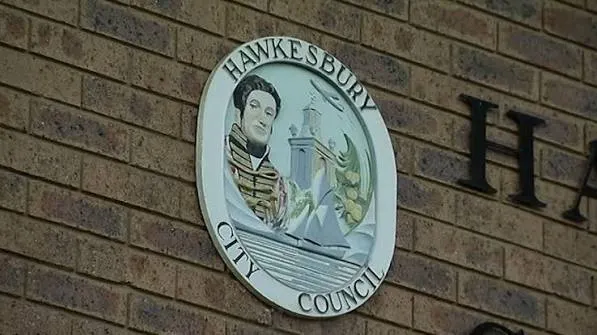
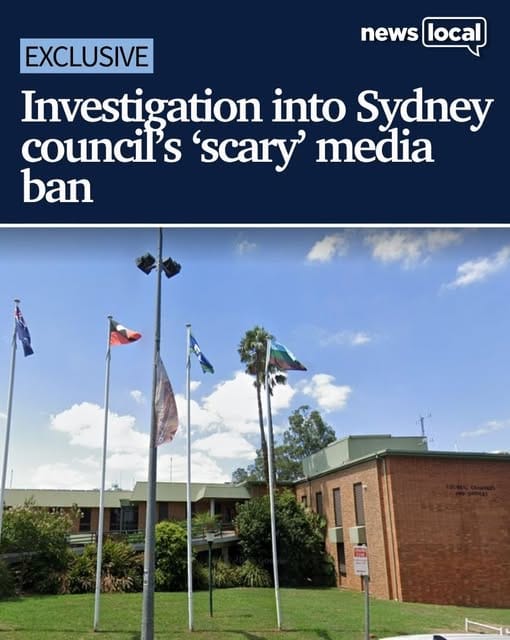
Hawkesbury City Council has banned representatives of the Hawkesbury Gazette from attending Council premises for media purposes, including Council meetings. Council has also confirmed that while its ban on Hawkesbury Radio will be lifted from 1 July, the exclusion of the Gazette remains in place.
That makes the Stefanovic case worth examining carefully.
There is an important difference between a private media company deciding who can represent its brand, and a local government deciding which media outlet can physically attend public meetings.
Nine’s decision concerned an employment and brand relationship. Council’s media ban concerns access to democratic institutions. That distinction is central.
A television network may decide that a presenter’s outside conduct is inconsistent with its editorial standards or commercial interests. But a council is a public authority. It is funded by ratepayers, exercises statutory powers and makes decisions affecting land, roads, rates, services, planning and public money.
When a public authority restricts media access, the threshold should be high, the reasons should be clear, and the criteria for lifting any restriction should be transparent.
Free Speech Is Not Simple
The Stefanovic case also shows why “free speech” is often more complicated than slogans suggest.
Free speech does not mean freedom from criticism. It does not mean a broadcaster must employ a presenter indefinitely. It does not mean an interview is beyond scrutiny simply because it is controversial.
But free speech does matter deeply when powerful institutions control access to public information.
That is where the Hawkesbury issue becomes sharper.
The Gazette has consistently argued that robust reporting on Council is in the public interest. Council has argued that its actions are connected to workplace health and safety concerns.
The public is entitled to understand how those competing claims are being balanced.
The Stefanovic controversy shows that media freedom and media responsibility are not opposites. They sit together.
Journalists and broadcasters must be accountable for what they publish. But public institutions must also be accountable when they restrict who can attend, report and ask questions.
The Larger Question
Stefanovic’s exit from Nine may fade quickly from the national headlines.
But the issues it raises will not. Who gets to speak? Who gets access? Who decides what is responsible journalism? When does platforming a controversial figure become a failure of editorial judgment? And when does restricting media access become a threat to public accountability?
Those questions are not confined to television studios in Sydney.
They matter in every council chamber, every public meeting and every community where local journalism is one of the few remaining checks on institutional power.
For the Hawkesbury, the lesson is clear: free speech claims must be tested carefully, whether they come from a national television presenter, a media corporation, or a local council.
The public interest is not served by slogans. It is served by transparency, consistency and accountability.
Disclosure
The Hawkesbury Gazette discloses that Councillor Mary Lyons-Buckett has familial ties to the publisher. The Gazette maintains editorial independence and publishes this disclosure in the interests of transparency.