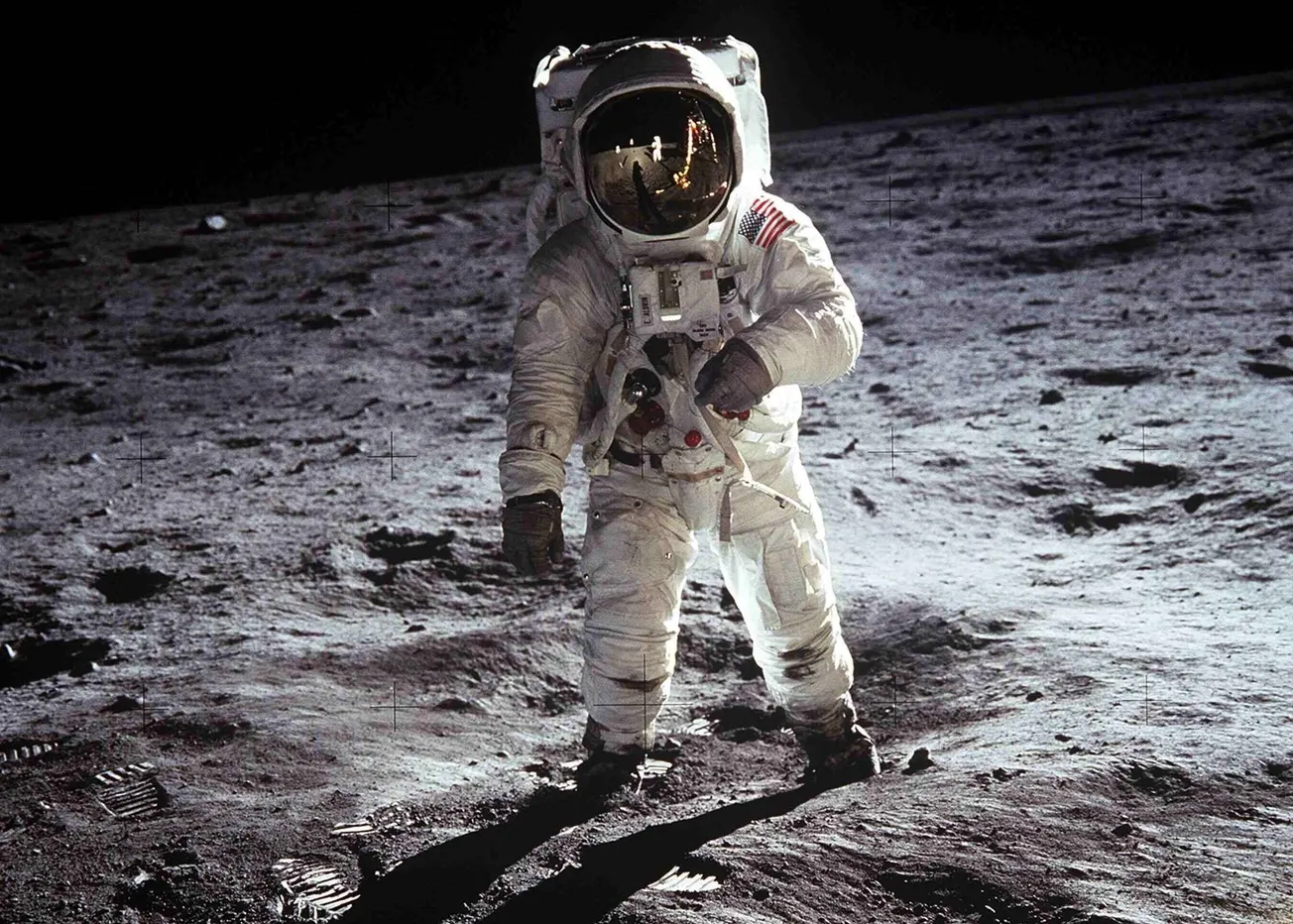
On a clear winter's night, Hawkesbury residents are among the fortunate few who can still enjoy some of the darkest skies on Sydney's fringe. This International Moon Day, celebrated on 20 July, locals are being encouraged to take a moment to look up and reflect on one of humanity's greatest achievements – the day people first walked on the Moon.
International Moon Day marks the anniversary of the Apollo 11 Moon landing in 1969, when astronaut Neil Armstrong became the first person to step onto the lunar surface, followed by fellow astronaut Buzz Aldrin. The day was established by the United Nations to recognise the importance of lunar exploration, scientific discovery and international cooperation in space.
More than half a century later, the Moon remains at the centre of a new era of exploration. Governments and private space companies are once again planning missions to the Moon, with ambitions to establish a long-term human presence and use it as a stepping stone for future journeys to Mars.
For Hawkesbury residents, the annual celebration provides an opportunity to reconnect with the night sky that has inspired generations of scientists, farmers, artists and storytellers.
Away from the bright lights of metropolitan Sydney, many parts of the Hawkesbury, including Bilpin, Kurrajong Heights, Colo, St Albans and the Upper Macdonald Valley, offer excellent conditions for stargazing during the cooler months.
The Moon has also played an important role throughout history, influencing calendars, navigation, agriculture and cultural traditions around the world. For First Nations peoples, the Moon holds deep cultural significance, featuring in Dreaming stories and traditional knowledge that has been passed down over thousands of years.
Modern lunar exploration continues to gather pace. Space agencies from around the world are developing new technologies to return astronauts to the Moon, conduct scientific research and search for resources such as water ice that could support future exploration.
International Moon Day is designed not only to celebrate past achievements but also to inspire the next generation of scientists, engineers, astronomers and explorers.
Families can mark the occasion simply by stepping outside after sunset, observing the Moon through binoculars or a telescope, or downloading one of the many free astronomy apps that identify lunar features and constellations.
Local astronomy enthusiasts also encourage residents to explore Hawkesbury's darker skies responsibly by choosing safe viewing locations, dressing warmly and allowing their eyes time to adjust to the darkness.
As the Moon rises over the Hawkesbury this evening, it serves as a reminder that while the district is known for its fertile farmland, rivers and mountains, it also offers a front-row seat to the wonders of the universe.
Whether viewed from a backyard in Richmond or Windsor, a farm at Freemans Reach, a lookout in Bilpin or a ridge in Kurrajong Heights, the same Moon that inspired the Apollo astronauts continues to captivate people of all ages.
This International Moon Day, Hawkesbury residents are invited to look skyward and remember that one of humanity's greatest adventures began with a single step on a world just 384,400 kilometres away.