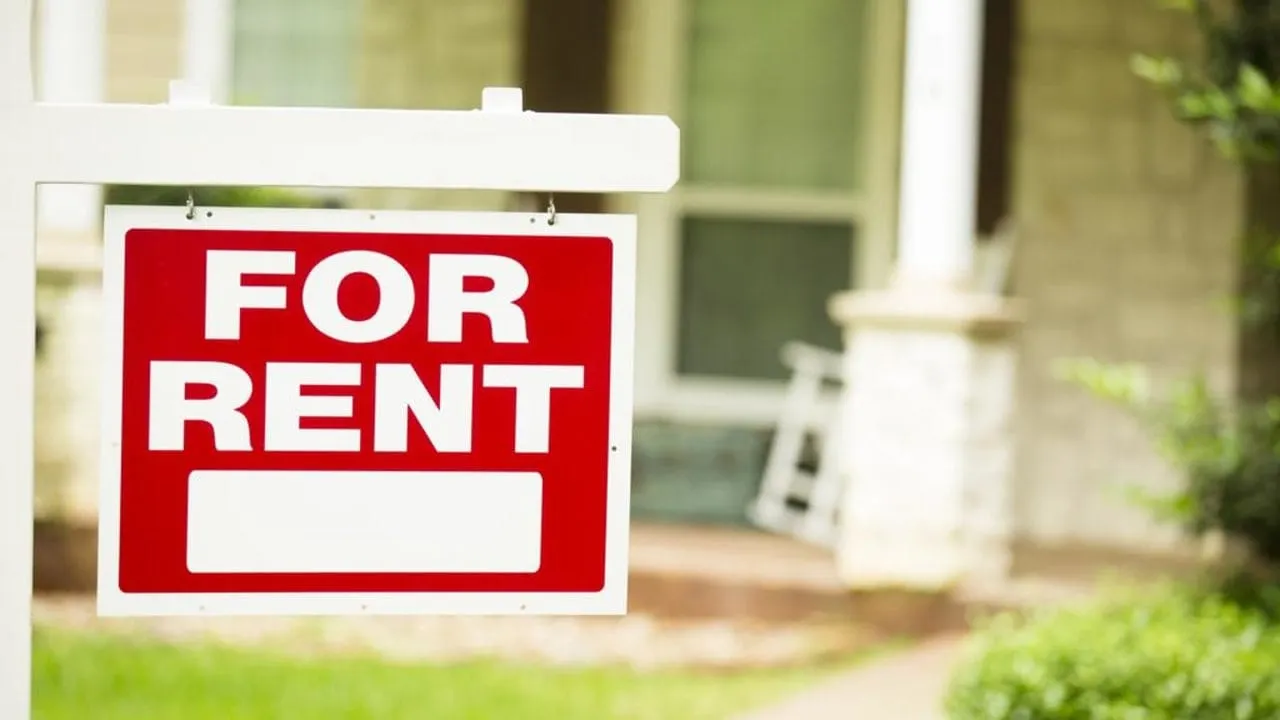
Australia’s housing crisis is placing growing pressure on low-income households, renters and people waiting for social housing, according to a major new report from the Australian Institute of Health and Welfare (AIHW).
The Housing Assistance in Australia 2026 report, released on 23 June, shows that almost 1.4 million Australian individuals and families were receiving Commonwealth Rent Assistance by June 2025, while hundreds of thousands remained in rental stress even after receiving government support.
The report warns that finding affordable housing has become increasingly difficult, stating: “The most vulnerable households are facing the largest impact of rising housing costs.”
The findings have particular relevance for outer metropolitan and semi-rural communities such as the Hawkesbury, where residents can face the combined pressures of high rents, limited rental supply, transport costs and a shortage of affordable and social housing.
Social housing fails to keep pace
At June 2025, about 799,000 Australians were living in approximately 452,000 social housing dwellings.
However, social housing has declined as a proportion of Australia’s total housing system. The percentage of households living in social housing fell from 4.7 per cent in 2013 to 4 per cent in 2025.
The AIHW report states that social housing generally provides eligible households with rents calculated as a proportion of income and includes public housing, community housing and Indigenous housing programs.
During 2024–25, only 32,400 households were newly allocated social housing, down from 33,600 in the previous financial year.
Of those new allocations, 82 per cent went to households considered to be in the greatest need, including people experiencing homelessness or at risk of becoming homeless.
Rent assistance no longer enough for many
Almost 1.4 million income units defined as individuals or groups of related people received Commonwealth Rent Assistance at June 2025, up from about 1.3 million one year earlier.
Despite that assistance, about 579,000 recipients, or 43 per cent, remained in rental stress.
The report defines rental stress as occurring when a household spends more than 30 per cent of its gross income on rent.
It found that around one million recipients would have been in rental stress without Commonwealth Rent Assistance.
The report’s blunt conclusion was: “More than 2 in 5 income units were in rental stress after receiving CRA.”
While rent assistance clearly reduces financial pressure, the figures indicate it is no longer sufficient to make housing affordable for a large proportion of recipients.
National rent reaches $681 a week
The national median rent reached $681 per week in December 2025 an increase of $204 a week since 2020.
At the same time, rental vacancy rates fell to 1.7 per cent, well below the pre-pandemic average of 3.3 per cent.
The time required for a median-income household to save a 20 per cent home deposit also increased to 11.2 years, compared with nine years in 2015.
The report found that an estimated 1.26 million low-income households were in housing stress during 2024–25, spending more than 30 per cent of their disposable income on housing.
According to the AIHW, high housing costs leave low-income households with less money for food, electricity, transport, medical care, childcare and unexpected expenses.
Sydney renters paying more
Housing assistance recipients in Sydney were paying significantly higher rents than those living elsewhere in NSW.
The median fortnightly rent paid by NSW Commonwealth Rent Assistance recipients was about $140 higher in Sydney than in the rest of the state.
Across Australia, Commonwealth Rent Assistance typically covered between 32 and 41 per cent of rental costs in capital cities and between 37 and 41 per cent outside the capitals.
Although parts of the Hawkesbury retain a semi-rural character, much of the local government area sits within Greater Sydney’s housing market and is affected by metropolitan rental prices.
For residents living further from Richmond and Windsor, lower housing costs can also be offset by additional transport, fuel and vehicle expenses.
Families competing for limited homes
The pressure is not confined to people receiving government benefits.
Of the 64,000 households receiving Private Rent Assistance during 2024–25, 28 per cent obtained their main income from employment.
Almost half had a gross weekly income below the national minimum wage, while 70 per cent relied primarily on some form of government payment.
Private Rent Assistance can include bond loans, rental grants and subsidies designed to help lower-income households secure or maintain a private tenancy.
NSW was the only Australian state to provide ongoing rental subsidies, assisting approximately 7,900 households during the financial year.
However, the AIHW noted that reduced vacancy rates and growing competition for rental properties may prevent eligible households from securing a tenancy even where assistance is available.
A growing challenge for the Hawkesbury
The report does not provide a complete Hawkesbury-specific breakdown, but its national and NSW findings reflect concerns increasingly raised across the district.
Pensioners, single parents, people with disability, young families and essential workers can struggle to find affordable homes close to their families, employment and support networks.
Young people may also be forced to leave the district because they cannot afford to rent or purchase locally.
The AIHW said housing assistance could provide people with greater housing and financial stability, with flow-on benefits for personal wellbeing, employment and community participation.
Have Your Say
The Hawkesbury Gazette is seeking to better understand how the housing crisis is affecting local residents.
If you have experienced rising rents, difficulty finding a rental property, long waits for social housing, mortgage stress, couch surfing, homelessness, or have been forced to move away from the Hawkesbury because housing has become unaffordable, we would like to hear your story.
We are also interested in hearing from landlords, real estate agents, community housing providers, homelessness services, employers struggling to recruit staff because of housing shortages, and community organisations working with people experiencing housing stress.
Your experiences will help build a clearer picture of the challenges facing our community and may form part of a future Hawkesbury Gazette feature examining local housing affordability and possible solutions.
If you would like to share your story, email editor@hawkesburygazette.com Include in the subject heading Housing Crisis. Please include your name and contact details. If requested, personal stories may be published anonymously where appropriate.