The importance of conversations, planning and compassionate support
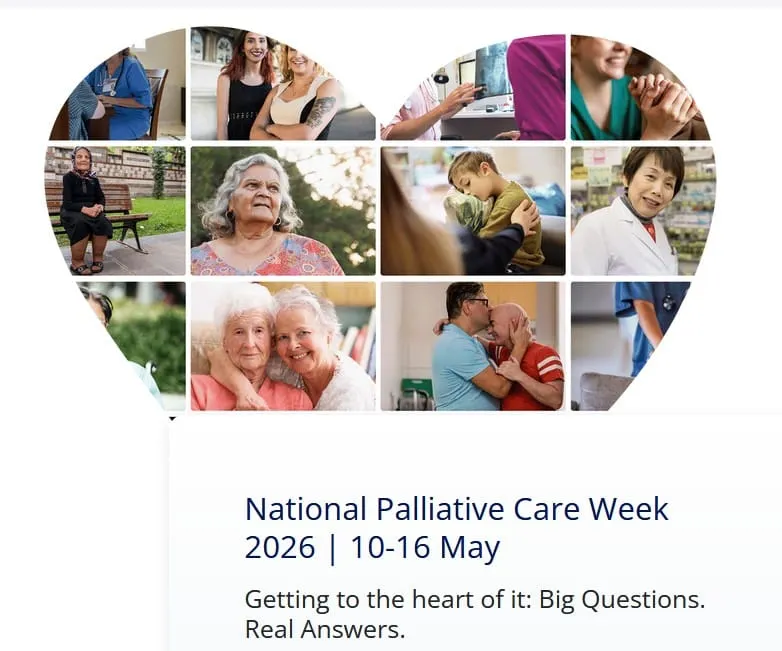
National Palliative Care Week, held from May 10 to 16, is a timely reminder that conversations about death, dying and our future healthcare wishes are some of the most important discussions we can have with those we love.
While many people avoid speaking about death because it feels uncomfortable or confronting, the reality is that avoiding these conversations can leave families distressed, uncertain and emotionally overwhelmed during times of crisis. When sudden illness, accident or declining health leaves someone unable to communicate their wishes, loved ones are often left making incredibly difficult decisions without guidance or clarity.
Advance Care Planning allows people to clearly document their healthcare wishes, values and preferences for future care. It also enables them to appoint someone they trust to speak on their behalf if they are ever unable to speak for themselves. Having these plans in place removes uncertainty, reduces conflict and ensures a person’s voice continues to guide their care. It is invaluable.
For families, these conversations can be one of the greatest gifts a person leaves behind. Rather than guessing what their loved one may have wanted, family members can make decisions with confidence, knowing they are honouring those wishes. This can significantly ease emotional distress, guilt and confusion at an already difficult time.
Palliative care itself is often misunderstood. It is not simply care provided in the final days of life. Palliative care focuses on improving quality of life, comfort, dignity and emotional wellbeing for people living with life-limiting illness, while also supporting their families and carers. It can begin at any stage of a serious illness and works alongside other medical treatments.
Importantly, palliative care recognises that emotional, spiritual and social support are just as important as physical care. Honest conversations about fears, hopes, wishes and values help people feel heard, respected and empowered.
In the Hawkesbury, the community is fortunate to have opportunities for these important discussions in a safe and supportive environment. The Hawkesbury Death Cafe meets bi-monthly at Ori’s Bar in Windsor, providing a welcoming space where people can openly talk about death, dying, grief and end-of-life planning without judgement or expectation. These informal gatherings encourage connection, reduce fear and help normalise conversations that many people have never felt comfortable having.
Death Cafes are not counselling or bereavement services, but rather community conversations designed to increase awareness around death and encourage people to make the most of their lives. Participants often leave feeling relieved, informed and less alone in their thoughts and experiences.
National Palliative Care Week encourages everyone — regardless of age or health — to start these conversations early. Talking openly with family members, close friends and healthcare providers about what matters most can bring enormous peace of mind for everyone involved.
Planning ahead is not about giving up hope; it is about ensuring dignity, respect and choice remain at the centre of care when it matters most.
For information, resources and support regarding palliative care and Advance Care Planning, visit:
Palliative Care Australia
For those seeking in person connection in relation to these matters, you are most welcome to attend Hawkesbury’s ‘Cocktails before the Coffin’ bi monthly gathering at Ori's Bar, Windsor - 24/06/2026; 26/08/2026; 28/10/2026; tba December 2026. Alternatively, any other enquiries please email: thecronescanopy@protonmail.com